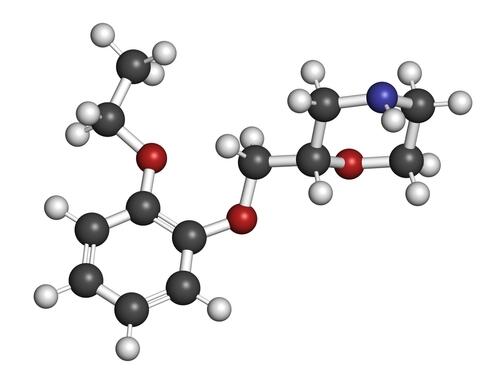
Viloxazine ER: A Non-Stimulant With a Distinct Mechanism for ADHD Relief
 In clinical settings, stimulant therapies can pose challenges due to comorbidities, adverse effects, or substance use histories. Non-stimulant viloxazine extended-release (ER) offers a compelling alternative. This article examines viloxazine ER’s distinct dual mechanism: selective norepinephrine reuptake inhibition paired with serotonergic modulation, providing broad-spectrum relief for both core attention-deficit/hyperactivity disorder (ADHD) symptoms and common emotional comorbidities such as anxiety and irritability. With its non-controlled status, favorable cardiovascular profile, and minimal abuse potential, viloxazine ER is uniquely suited for patients with complex treatment profiles.
Managing attention-deficit/hyperactivity disorder (ADHD) often necessitates alternatives to stimulant medications, particularly for patients with comorbid conditions, substance use histories, or sensitivities to stimulant-related adverse effects. Viloxazine extended-release (ER), a non-stimulant therapy, combines a unique dual pharmacological mechanism with a safety profile tailored to address these clinical challenges. This article explores its unique neurochemical activity and practical advantages in ADHD care, offering insights for optimized treatment strategies.
Pharmacological Profile: Dual Modulation of Norepinephrine and Serotonin
Viloxazine ER’s therapeutic efficacy arises from its ability to simultaneously modulate 2 critical neurotransmitter systems:
- Selective Norepinephrine Reuptake Inhibition (NRI):
Viloxazine ER selectively inhibits the norepinephrine transporter (NET), increasing extracellular norepinephrine concentrations in the prefrontal cortex. This enhances executive function, attention, and behavioral inhibition—core domains impaired in ADHD.1 The drug’s affinity for the NET (IC50 = 0.3 μM) aligns with its clinical efficacy in reducing hyperactivity and impulsivity.1 - Serotonergic Activity:
Beyond its noradrenergic effects, viloxazine ER exhibits agonist activity at 5-HT2C receptors and antagonism at 5-HT2B receptors.1 This serotonergic modulation stabilizes mood and emotional reactivity, addressing comorbidities such as irritability and anxiety that frequently accompany ADHD.2 Unlike pure NRIs (eg, atomoxetine), this dual mechanism provides a broader therapeutic scope, particularly for patients with emotional dysregulation.3
Clinical Advantages: Safety, Accessibility, and Reduced Abuse Risk
Viloxazine ER offers distinct practical benefits that enhance its role in ADHD management:
- Non-Controlled Classification:
Unlike Schedule II stimulants, viloxazine ER is not classified as a controlled substance, reflecting its low abuse potential. Human abuse liability studies report low euphorigenic potential,4 but withdrawal effects have not been systematically studied. Clinical trials demonstrated no significant euphorigenic effects or patterns of misuse, even at supratherapeutic doses.4 This makes it a preferred option for adolescents, adults with substance use histories, or settings where diversion is a concern.3 - Tolerability and Safety:
- Cardiovascular Profile: Viloxazine ER does not prolong the QT interval to a clinically relevant extent. However, clinical trials observed dose-dependent increases in heart rate (mean 3 to 5 bpm), necessitating periodic monitoring, particularly in patients with cardiovascular risk factors.1,4 This profile contrasts with stimulants (eg, amphetamines), which carry higher risks of hypertension, tachycardia, and QT prolongation.4
- Common Side Effects: In clinical trials, the most common adverse reactions in pediatric patients (6 to 17 years) were somnolence (12% to 16%), decreased appetite (16%), and fatigue (8%). In adults, somnolence (6%) and decreased appetite (5%) were reported.3,4 Discontinuation rates due to adverse events were low (≤3% for somnolence, ≤2% for appetite suppression) and comparable to placebo.3,4
- Dependency Risk Reduction:
Unlike stimulants, viloxazine ER does not directly modulate dopamine receptors or transporters,1 reducing its potential for abuse and dependence.4 Clinical trials and human abuse liability studies report no significant withdrawal-related rebound hyperactivity or mood instability, consistent with its non-controlled substance classification.4 By avoiding direct dopamine receptor agonism, viloxazine ER eliminates the rebound hyperactivity and mood instability (“crash”) linked to stimulant withdrawal.4
Conclusion
Viloxazine ER represents a significant advancement in ADHD therapeutics, merging targeted norepinephrine reuptake inhibition with serotonergic modulation to address both core symptoms and emotional comorbidities. Its non-controlled status, favorable safety profile, and reduced dependency risk position it as a versatile option for patients ineligible for or intolerant of stimulant therapies. Clinicians should consider viloxazine ER for individuals with complex presentations, including those with histories of substance use or prominent emotional dysregulation.
References:
- Yu C, Garcia-Olivares J, Candler S, Schwabe S, Maletic V. New insights into the mechanism of action of viloxazine: serotonin and norepinephrine modulating properties. J Exp Pharmacol. 2020;12:285-300. Published 2020 Aug 25. doi:10.2147/JEP.S256586
- Edinoff AN, Akuly HA, Wagner JH, et al. Viloxazine in the treatment of attention deficit hyperactivity disorder. Front Psychiatry. 2021;12:789982. Published 2021 Dec 17. doi:10.3389/fpsyt.2021.789982
- Nasser A, Liranso T, Adewole T, et al. A phase III, randomized, placebo-controlled trial to assess the efficacy and safety of once-daily SPN-812 (viloxazine extended-release) in the treatment of attention-deficit/hyperactivity disorder in school-age children. Clin Ther. 2020;42(8):1452-1466. doi:10.1016/j.clinthera.2020.05.021
- Qelbree (viloxazine extended-release) capsules, for oral use [prescribing information]. Supernus Pharmaceuticals, Inc.; 2025. Accessed May 9, 2025. https://www.supernus.com/sites/default/files/Qelbree-Prescribing-Info.pdf