Opioid Tapering in Psychiatric Care: Risks and Best Practices

How can clinicians safely manage long-term opioid therapy in patients with chronic pain and co-occurring psychiatric conditions?
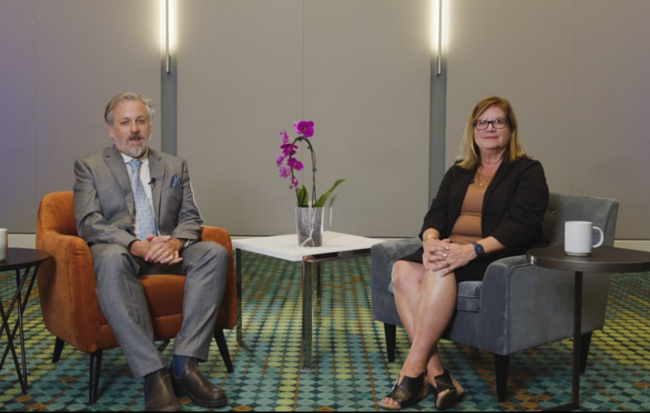
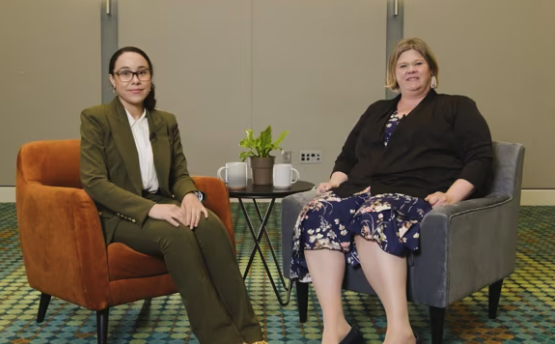
Ahead of his session at the 2026 California Society of Addiction Medicine annual meeting, Gregory D. Rudolf, MD, DFASAM, talked to Psych Congress Network about distinguishing physiologic opioid dependence from complex persistent opioid dependence (CPOD) and opioid use disorder (OUD).
In this interview, he explores the psychological risks associated with opioid tapering, including suicidality, and explains how motivational interviewing, gradual dose reductions, and consideration of buprenorphine may support individualized treatment. Rudolf also emphasizes the importance of addressing co-occurring mental health conditions, maintaining clinician-patient trust, and coordinating care across psychiatry, pain management, and addiction medicine to minimize distress and improve outcomes.
Key Clinical Summary
- CPOD differs from physiologic opioid dependence and OUD. CPOD typically involves adherence to prescribed opioids alongside psychological attachment, functional impairment, and substantial distress surrounding tapering or transitioning to buprenorphine.
- Opioid tapering in patients with depression, anxiety, or posttraumatic stress disorder (PTSD) requires attention to psychological distress and suicide risk. Rudolf emphasizes gradual, collaborative tapering, at least monthly follow-up, flexibility to pause treatment changes, and additional mental health support.
- Buprenorphine transitions and multidisciplinary collaboration may benefit selected patients with CPOD. Motivational interviewing, psychiatric treatment optimization, and communication among mental health, pain management, and addiction medicine clinicians can support individualized care.
Editor’s Note: This interview has been lightly edited for length and clarity.
Psych Congress Network (PCN): What signs may help clinicians distinguish physiologic opioid dependence from CPOD and OUD in patients receiving long-term opioid therapy, particularly when symptoms overlap?
Gregory D. Rudolf, MD, DFASAM: Opioid-related conditions in general exist on a spectrum, with levels of problem behaviors and harmful consequences of use escalating in severity as a patient moves on the continuum from simple physiologic opioid dependence to CPOD to OUD. Not all patients follow this pathway—there are some who develop OUD more quickly, and never even get far enough along in their stability with opioid use to qualify for CPOD, which, unlike OUD, typically involves adherent use of the prescribed opioid regimen without misuse.
What CPOD does involve is an unhealthy psychological attachment and fixation on the prescribed opioid regimen that tends to lead to high levels of anxiety and resistance to the idea of tapering the dose and/or switching to buprenorphine, for example, even though there is often evident functional impairment from the opioid medication without a clear offsetting benefit. There are many patients in this subtype of opioid dependence and they present complex (hence the name!) management challenges to the care team because there are serious harms that can occur from forcing changes to the opioid management, such as suicidality, but also harms in the form of compromised quality of life that persist with maintaining the status quo.
In contrast, those who have developed a physiologic dependence on opioids from having used them for weeks or a couple of months after an injury or surgery, for example, but who are quite amenable to recommendations for tapering, would be the patients who need relatively less emotional support with tapering, but who still benefit from skilled management of withdrawal and potential functional disturbances during the tapering process. These patients can and should ideally be able to make it all the way off opioids, which is certainly the ideal scenario. Patients with CPOD more often benefit from transitioning to buprenorphine, which can produce a functional enhancement much more quickly and robustly than would typically occur through tapering alone for these patients for whom the tapering process is so distressing.
PCN: How should co-occurring psychiatric conditions, such as depression, anxiety, or PTSD, influence clinical decisions about continuing, tapering, or transitioning long-term opioid therapy?
Rudolf: Because of risk of harm, it is not good practice to force a patient to taper a stable dose of opioid medication when they have been adherent to the prescription and there have been no "red flags" other than the treating physician's general sense that the patient has not benefitted from the opioid regimen, despite the patient's own contrary viewpoint.
Patients with co-occurring psychiatric conditions have even greater fragility when it comes to potential harm from non-consensual tapering. If there is trust between the patient and the physician, the recommendation can be made to try tapering or transitioning to buprenorphine, for example, and if the patient remains resistant, the clinician can bring it up again at a future visit, asking gently if the patient has given the idea any more thought.
Motivational interviewing, a technique where a clinician seeks to engage change by harnessing a patient's own will to make the change by allowing them the opportunity to see the potential benefits of the change in an unpressured way over several encounters, can be very useful in this context. Of course, optimizing treatment for the psychiatric conditions with proper self-care, counseling, and/or pharmacotherapy is appropriate and critical for success in making the desired opioid changes.
PCN: What strategies can help clinicians manage opioid tapering in patients with co-occurring psychiatric conditions while minimizing withdrawal symptoms, worsening pain, and psychological distress?
Rudolf: There are tapering guidelines and protocols available for clinicians to use in practice, such as the 2019 opioid tapering guideline put out by the US Department of Health and Human Services. Some key general concepts would be go slowly; check in with the patient at least monthly during active tapering and invite them to contact your office as needed; be willing to pause the taper if the patient is feeling worn out or distressed by the process; and, provide extra support to patients who are struggling, which could mean adjusting withdrawal medications, increasing frequency of visits (telehealth or phone calls can be very useful), or adding counseling services if accessible.
PCN: What should clinicians understand about the relationship between opioid tapering and suicide risk? How can they identify patients who may need additional mental health support during treatment changes?
Rudolf: There is a demonstrable risk of psychological distress, including suicidality, with opioid tapering. The best way to prevent this type of extreme hopelessness is to be very communicative and supportive of the patient throughout the process. With frequent enough touchpoints, they will know you are in their corner and you will likely get a sense of how much they are struggling. A skilled therapist can of course be very helpful in addition, but the treating clinician, the one writing the prescriptions and guiding the process, has to show the proper level of compassion, empathy, and engagement to allow the patient to feel supported.
PCN: How can clinicians collaborate more effectively with pain management and addiction medicine specialists when treating patients with chronic pain, opioid dependence, and co-occurring mental health conditions?
Rudolf: It is always helpful to receive a phone call from a mental health clinician who is seeking to coordinate care and support for a mutual patient, or to reach out myself and find a willing collaborator. Because of shortages of time and other demands, these phone calls do not get made commonly enough. But the patients benefit significantly, not least because they know their care team has been collaborating on their behalf and are aware of and aligning with each other's approach.
PCN: What is one key takeaway from your session that you’d like to share with our audience of practicing psychiatric clinicians?
Rudolf: Patients with chronic pain and opioid-related conditions feel more supported and outcomes are improved when treating clinicians treat them with compassion and empathy. Pain care is subpar when it is overly focused on structural anatomic problems and medications and not focused enough on the whole person.
Gregory D. Rudolf, MD, DFASAM, is board certified in pain medicine, addiction medicine, medical acupuncture, and family medicine, and has been practicing at Swedish Pain Services in Seattle since 2004. The clinic offers multidisciplinary care for chronic pain and common associated comorbidities such as substance use and mental health disorders.
Dr Rudolf served as medical director of an inpatient SUD treatment program for 13 years and has published an innovative treatment protocol for opioid withdrawal. He has served as a member of the board of directors of the WA Society of Addiction Medicine and served as chair of the American Society of Addiction Medicine pain and addiction committee for 4 years. He is a clinical associate professor at the University of WA School of Medicine.
© 2026 HMP Global. All Rights Reserved.
Any views and opinions expressed above are those of the author(s) and do not necessarily reflect the views, policy, or position of the Psych Congress Network or HMP Global, their employees, and affiliates.