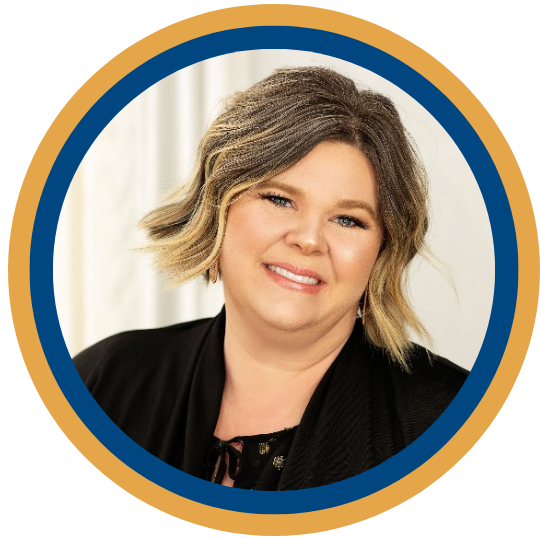
Taking a Comprehensive Approach to Suicide Risk Assessment in Clinical Practice
“Suicide prevention is multifaceted because suicide is multifaceted,” says Psych Congress faculty member Jill Harkavy-Friedman, PhD, Senior Vice President of Research, American Foundation for Suicide Prevention (AFSP).
In this video, Harkavy-Friedman walks clinicians through what a comprehensive assessment of suicide risk looks like in clinical practice. Highlighting that risk is dynamic and influenced by several contributors, she encourages mental health providers to look beyond a patient’s acute presentation to understand the full range of factors that may influence distress levels, risk, and need for intervention.
Key Takeaways for Clinical Practice:
- Suicide risk is dynamic and multifactorial, requiring ongoing assessment that integrates medical, psychiatric, psychosocial, substance use, trauma, chronic pain, family history, current stressors, emotional pain, and access to lethal means rather than a single determination of risk.
- Assessing access to lethal means is a critical component of suicide prevention, because approximately 30% of people act within about 10 minutes of suicidal thoughts and about 60% within an hour.
- Risk assessment tools should be selected based on the clinical setting, patient characteristics, and available interventions; the National Institute of Mental Health Ask Suicide-Screening Questions (NIMH ASQ) is highlighted as a robust option, while the Columbia-Suicide Severity Rating Scale (C-SSRS), and Suicidal Ideation Questionnaire (SIQ) may also be useful instruments.

Read the Transcript:
Jill Harkavy-Friedman, PhD: Hi, I'm Jill Harkavy-Friedman, Senior Vice President of Research at the American Foundation for Suicide Prevention. I'm a clinical psychologist.
Psych Congress Network: You've stressed that suicide prevention goes far beyond identifying risk. Why is a comprehensive, proactive approach so critical?
Harkavy-Friedman: Suicide prevention is multifaceted because suicide is multifaceted. It's dynamic, so a person isn't always at risk or not at risk. They may be at risk sometimes and not others, or they may be in a period of crisis, an increased risk. The fact that it's multifaceted means that you can't just decide that somebody's at risk or not.
The best way to figure out if a person has some risk or vulnerability is to do a really thorough history: medical, mental health, social, the old psychosocial, medical, physical history that we were all trained to do. Because in that, you will learn about contributors to risk. Things like having a mental health condition, having a physical health condition or chronic pain, having a substance use problem, family history, whether or not there's a history of early trauma or a history of abuse.
In addition, you'll learn about whether or not there's been head trauma and any other factors that might be contributing. You'll look for changes in that, whether or not that has changed over time as you're working with someone.
But then you also want to know, how are they doing now? Do they have any stressors that are particularly uncomfortable for them? Are they experiencing emotional pain?
Then the last part is wondering if they have access to lethal means. Because when someone is in a period of risk, and they might act; research shows that for about 30% of people, there's about 10 minutes between thought and action. For about 60%, it's around an hour.
So, if you have access to lethal means, the chance that you might die by suicide can be very high in that crisis moment. If you don't have access to lethal means, then the likelihood that they'll put some time for things to de-escalate and for someone to intervene, is available.
Assessing risk isn't just [asking], “Have you thought about it and have you ever made an attempt?” It's a process of understanding a person, their potential contributors, their current stressors, and whether or not they have access to lethal means.
That is ongoing, because let's say a person has a health condition and a mental health condition they may be in remission, so that may mean that their thinking is clearer and they're in a low-risk period. The alternate is also true. If somebody is having severe pain that they don't usually have, that could increase their risk. So, [risk] is dynamic, it's complex, it's many factors happening at once.
PCN: Which risk assessment tools currently have the strongest evidence base and how should clinicians use them in practice without reducing suicide prevention to a checklist?
Harkavy-Friedman: Risk assessment tools are different from just asking somebody, “Are you thinking about suicide? Do you have a plan? Do you have intent?” Again, you need to know about other risk factors that may be contributing to risk in a particular moment.
The tool that you use really depends on the setting in which you're using it. The most robust tool, I think, is probably the ASQ, which was developed through the National Institute of Mental Health, because while it asks about suicidal ideas and past attempts, it also gets at some of the other ideas that people may be having at the time at which they're feeling or thinking about suicide. Other measures, like the CSSRS, the [SIQ and SIQ-Jr], those are also good tools.
What really matters is who are you assessing, in what kind of a setting, what are you going to have to offer, and what are the characteristics of the person that you're assessing. I can't say that there's one tool that should be used, and I think there'll be new tools that come along. I think it's important to get familiar with the literature on different instruments.
Jill Harkavy-Friedman, PhD, is the Senior Vice President of Research and leads the American Foundation for Suicide Prevention’s research program to advance the field of suicide prevention. AFSP's research program provides funding to research grants, offers workshops and training to researchers and disseminates research findings to increase public awareness and support advocacy in mental health and suicide prevention. With over 40 years of experience as a clinician and a researcher in the field of suicide prevention, she is passionate about translating research into practice, publishing over 130 peer-reviewed article and book chapters.
Harkavy-Friedman earned her BA in Psychology at the University of Pennsylvania and her PhD. in Clinical Psychology at the University of Florida. She completed her internship at Yale-New Haven Hospital. In 1984, she joined Montefiore Medical Center/Albert Einstein College of Medicine, establishing the Adolescent Depression and Suicide Program which is currently still active. In 1989, she moved to Columbia University/New York State Psychiatric Institute where she was an associate professor in the department of psychiatry until 2025. She joined the staff AFSP in 2011. She maintained a clinical practice in Manhattan for almost 40 years.
© 2026 HMP Global. All Rights Reserved.
Any views and opinions expressed above are those of the author(s) and do not necessarily reflect the views, policy, or position of the Psych Congress Network or HMP Global, their employees, and affiliates.