

EVT Plus Medical Treatment Enhances Imaging Outcomes in Distal Stroke
Key Clinical Summary:
- Endovascular treatment (EVT) added to best medical treatment (BMT) improved preservation of at-risk brain tissue compared with BMT alone in medium or distal vessel occlusion stroke.
- Good imaging outcomes (≥80% tissue preservation) were more likely with EVT (adjusted OR 1.6; 95% CI, 1.1–2.3).
- Favorable imaging outcomes correlated with reduced disability and dependency at 90 days across both groups.
The addition of endovascular treatment (EVT) to best medical treatment (BMT) was associated with a higher likelihood of achieving good imaging outcomes compared with BMT alone in patients with a medium or distal vessel occlusion stroke, according to findings published in JAMA Neurology. The post hoc imaging analysis leveraged results from the Endovascular Treatment for Stroke Due to Occlusion of Medium or Distal Vessels (DISTAL) trial, which recruited patients from 55 hospitals across 11 countries.
Study Findings
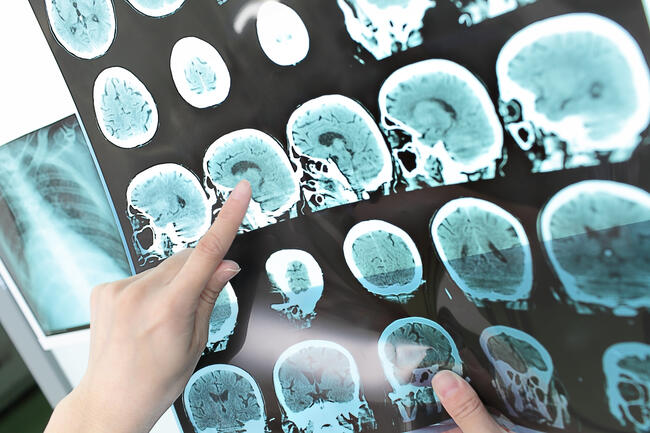
In this secondary analysis, researchers evaluated 447 patients (56.4% male; median age, 77.0 years) from the DISTAL trial who were randomized to receive either EVT plus BMT (n = 226) or BMT alone (n = 221). Baseline and 24-hour follow-up perfusion imaging were assessed for change in relative volume, or the proportion of at-risk brain tissue that was preserved. A relative volume of 0.8 or greater, indicating 80% tissue preservation, was defined as a good imaging outcome.
The median (IQR) volume of tissue at risk was 34.0 (20.0-50.0) mL at baseline and 7.0 (1.0-22.9) ML at 24-hour follow-up. Median change in absolute volume was 23.6 (5.7-38.9) mL in the EVT plus BMT group, and 14.8 (0-30.3) mL in the BMT group.
The likelihood of achieving a change in relative volume of 0.8 or greater was higher in the EVT and BMT group than the BMT group (adjusted odds ratio [aOR], 1.6; 95% CI, 1.1-2.3). Successful reperfusion in the EVT and BMT group was also linked to better imaging outcomes (aOR, 1.6; 95% CI, 1.1-2.3).
The analysis further found that patients with a relative volume of 0.8 or greater had better clinical outcomes at 90-day follow-up across both treatment groups, indicating that greater tissue preservation was tied to less disability and dependency.
Clinical Implications
These findings support the value of imaging-based end points, like relative volume, in assessing treatment impact in medium or distal vessel occlusion stroke. Previous clinical studies failed to demonstrate therapeutic benefit of EVT with BMT, which the authors argue may have been due to the use of clinical scales that were too crude to capture subtle treatment effects. Leveraging relative volume other imaging-based end points, therefore, may improve detection of clinically relevant changes, particularly in patients with milder stroke.
The observed association between EVT, tissue preservation, and functional outcomes also underscores the importance of early intervention and successful reperfusion. Clinicians may consider integrating advanced imaging metrics into routine practice to better assess recovery trajectories and individualize care.
Expert Commentary
“Future research should focus on the standardization of imaging end points in stroke trials to improve consistency and comparability across studies,” wrote Aikaterini Anastasiou, MD, Department of Diagnostic and Interventional Neuroradiology, University Hospital Basel, Basel, Switzerland, and study coauthors. “Additionally, further investigation is required to determine thresholds for meaningful brain tissue salvage that can guide treatment decisions, patient selection, and outcome prediction.”