The Sleep Disorder Missteps Clinicians Can Learn From
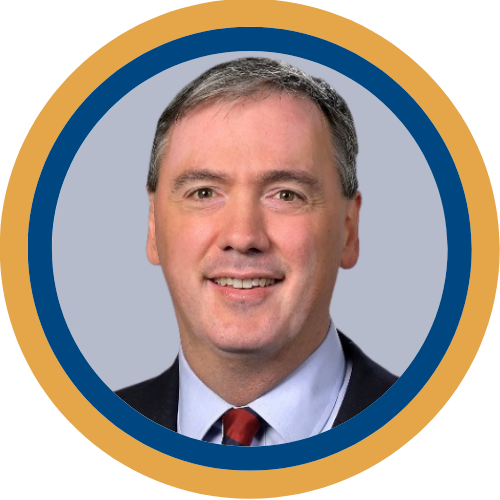
Rakesh Jain, MD, MPH, Co-Chair, Psych Congress, discusses why sleep complaints in psychiatric practice warrant direct evaluation rather than dismissal as secondary symptoms. He offers practical guidance on recognizing common clinical missteps, how clinicians can start to overcome challenging aspects of sleep disorder treatment, and upcoming learning opportunities covering diagnosis, use of scales and screeners, testing decisions, and treatment selection.
Key Clinical Summary
- Sleep complaints in psychiatric cases should not be dismissed as secondary to an underlying psychiatric disorder. Insomnia, obstructive sleep apnea, and narcolepsy can all be primary conditions.
- Fatigue should prompt a full sleep assessment rather than a narrow fatigue-focused evaluation, because untreated sleep difficulties can undermine clinical outcomes.
- Clinicians can reduce intimidation around sleep disorders through education, mentorship, validated scales and screeners, differential diagnosis, appropriate testing decisions, and disorder-specific treatment.

Read the Transcript
Rakesh Jain, MD, MPH: Hi there. My name is Rakesh Jain, and I'm a proud member of the steering committee at Psych Congress.
Psych Congress Network (PCN): What are some of the most common mistakes clinicians make when evaluating sleep complaints in psychiatric cases?
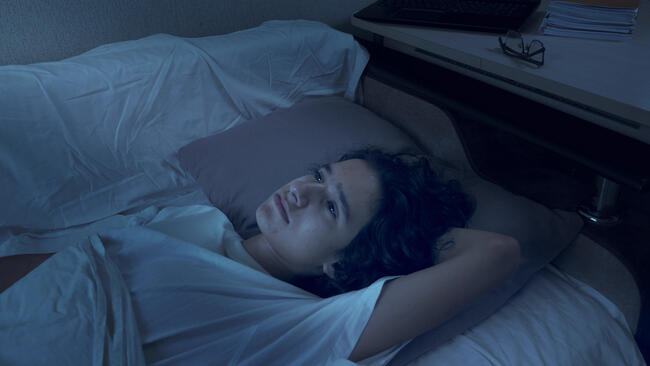
Jain: You know, we tend to make a lot of mistakes, and you can use me as a poster child for a short or maybe a long list of errors we make. First, we assume it's not a particularly important symptom that if we just took care of the underlying disorder, sleep difficulties will go away. That is not true. That is simply not true. Insomnia is a disorder in its own right. Obstructive sleep apnea is a disorder in its own right. Narcolepsy is a disorder in its own right. So, mistake number 1 that I highly recommend none of us make anymore is to treat sleep difficulties with disrespect.
Mistake number 2 is to assume if a patient is fatigued, all I need to do is focus on fatigue. We may actually have to focus on a full assessment of their sleep difficulties. So, it's time to stop making mistakes. Things don't go well if we don't evaluate for sleep difficulties.
PCN: What are some sleep-related clinical challenges that fellow clinicians consistently tell you that they struggle with?
Jain: Clinicians tell me that they are intimidated by patient reports of sleep-related difficulties. It could be in either direction. It could be in the direction of insomnia to hypersomnia. What I would say is, “look, you and I are already good at pretty complicated disorders like major depression, bipolar depression, PTSD. We're already very good at it.”
The way to become good at sleep-wake disorders is to reduce the intimidation factor and get educated. So, attending CME programs, non-CME programs, perhaps getting a mentor or 2, using scales and screeners, talking to the patients, always keeping in mind a third of the patient's life is actually asleep. How could that not be important? So, let's put aside the intimidation and embrace good science.
PCN: What are some things that attendees can expect to learn about if they attend your session on sleep disorders at Psych Congress 2026?
Jain: At Psych Congress, I am co-presenting on this really important topic of sleep. In fact, when I invite you to come attend it. I promise you this: we are going to treat sleep in that session with utmost seriousness. I may be a psychiatrist, but you know what? I'm a clinician first. Daytime functioning is grossly impaired in insomnia and hypersomnia disorders.
So, we're going to teach you about the epidemiology of these conditions, how to make an appropriate diagnosis, what are some of the differential diagnosis issues you might want to keep in mind, when to order testing, when not to order testing, what are some of the scales in screeners, and then finally, how to offer right treatments for the right disorder.
Folks, as co-chair of this year's Psych Congress, I want to extend to you a sincere invitation to come see us in September in New Orleans. You're probably going, why? It's a lot of effort. It's like taking days away from practice. It might even be a hassle factor. I get it.
But there are so many new developments happening in psychiatry. To not attend Psych Congress this year is to be behind times. Therapeutics are changing. At Psych Congress, we cover it all. Just take a look at the list of all the offerings we have and all the faculty members we have. I'm kind of thinking Psych Congress has become the one not-to-miss meeting of the year for all of us. So, I certainly hope I'll get to see you there.
Rakesh Jain, MD, MPH, attended medical school at the University of Calcutta in India. He then attended graduate school at the University of Texas School of Public Health in Houston, where he was awarded a “National Institute/Center for Disease Control Competitive Traineeship”. His research thesis focused on impact of substance abuse. He graduated from the School of Public Health in 1987 with a Masters of Public Health (MPH) degree.
Dr Jain served a 3-year residency in Psychiatry at the Department of Psychiatry and Behavioral Sciences at the University of Texas Medical School at Houston. He followed that by obtaining further specialty training, by undergoing a 2-year fellowship in Child and Adolescent Psychiatry. In addition, Dr Jain completed a postdoctoral fellowship in Research Psychiatry at the University of Texas Mental Sciences Institute, in Houston. He was awarded the “National Research Service Award” for the support of this postdoctoral fellowship.
© 2026 HMP Global. All Rights Reserved.
Any views and opinions expressed above are those of the author(s) and do not necessarily reflect the views, policy, or position of the Psych Congress Network or HMP Global, their employees, and affiliates.