Double Jeopardy: Interarterial Malignant Course of the Left Main Coronary Artery in a Patient With Kawasaki Disease With Coronary Aneurysms
© 2026 HMP Global. All Rights Reserved.
Any views and opinions expressed are those of the author(s) and/or participants and do not necessarily reflect the views, policy, or position of the Journal of Invasive Cardiology or HMP Global, their employees, and affiliates.
J INVASIVE CARDIOL 2026. doi:10.25270/jic/26.00221. Epub July 15, 2026.
A 14-year-old boy with a history of Kawasaki disease diagnosed when he was 4 years old presented for a routine cardiovascular follow-up. He had received intravenous immunoglobulin on the seventh day of his illness and remained on aspirin, warfarin, and metoprolol until presentation. He reported only occasional mild chest pain without syncope, dyspnea, or palpitations. Physical examination and transthoracic echocardiography were unremarkable with preserved biventricular function.
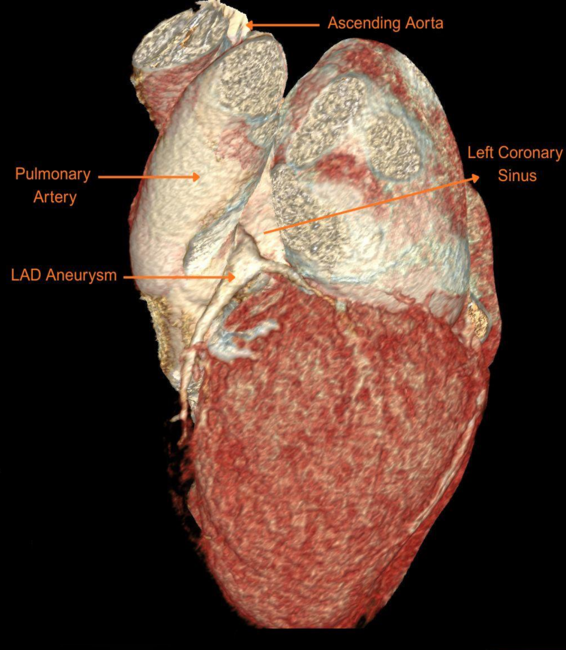
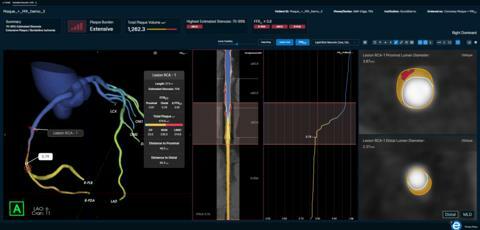
Coronary computed tomography angiography (CCTA) demonstrated aneurysms involving the proximal left anterior descending artery (6.6 mm), proximal right coronary artery (8.6 mm), and posterior descending artery (5.8 mm). In addition, the left main coronary artery (LMCA) originated anomalously from the right coronary sinus and coursed interarterially (malignant) between the ascending aorta and the pulmonary artery, leaving an empty left coronary sinus (Figures 1-5).
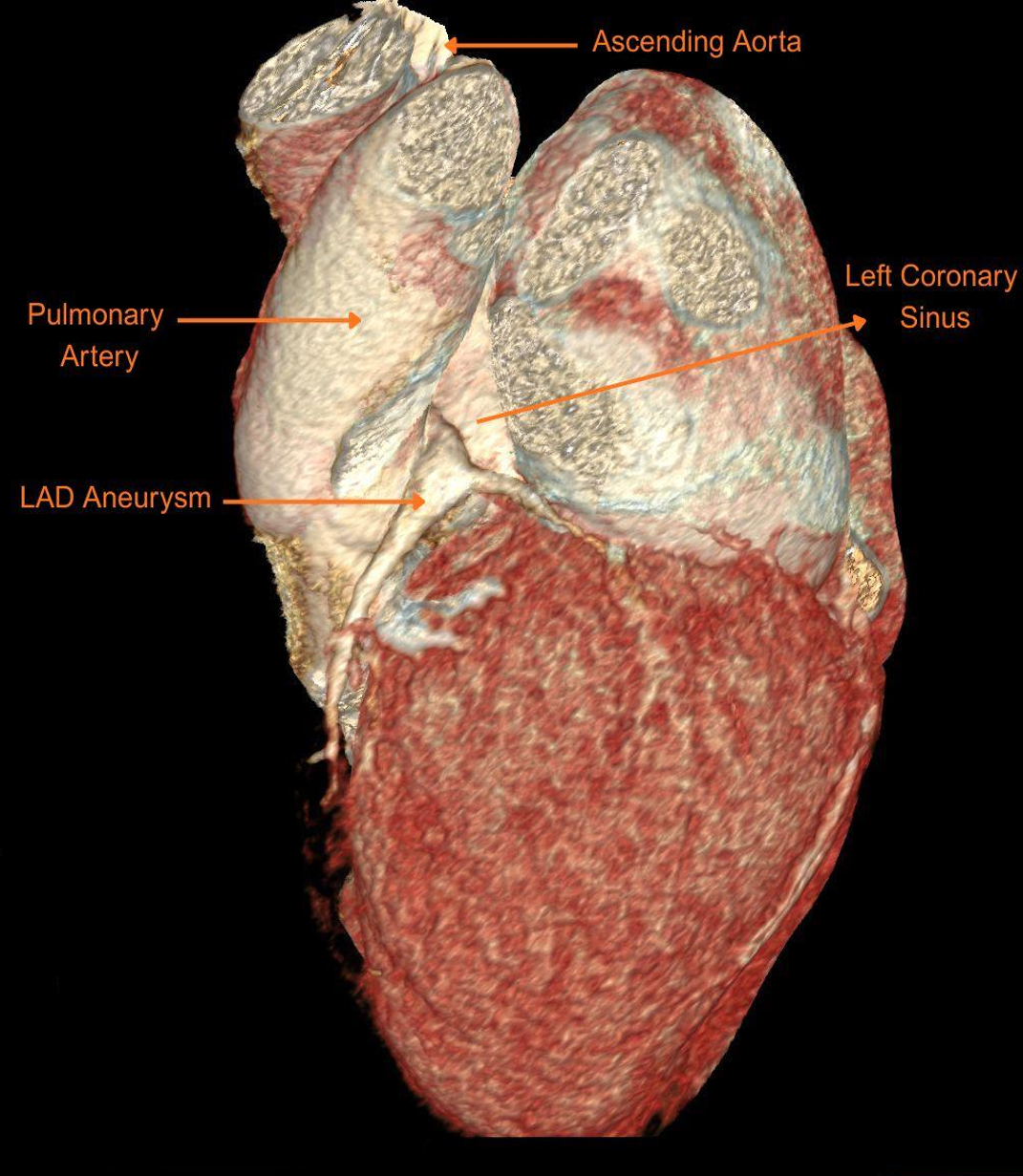
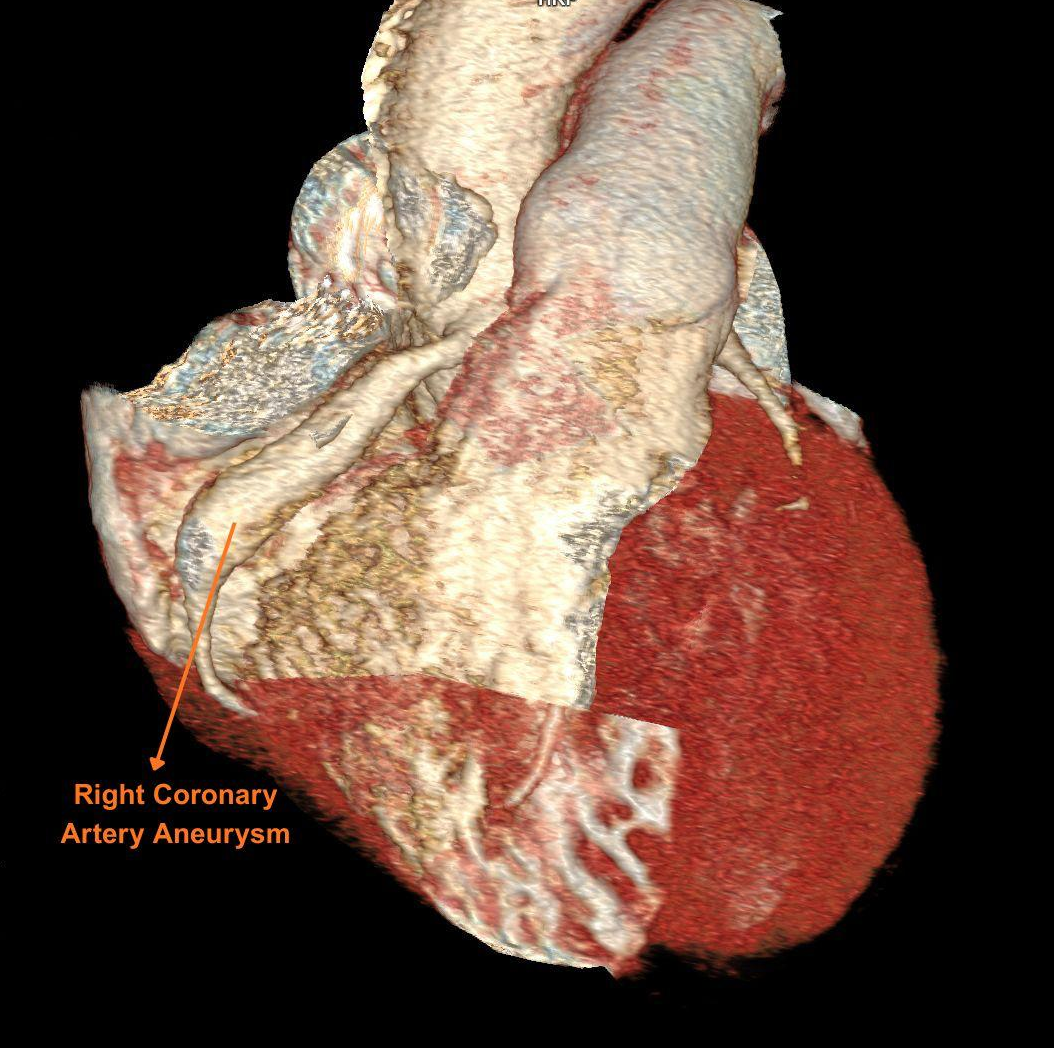
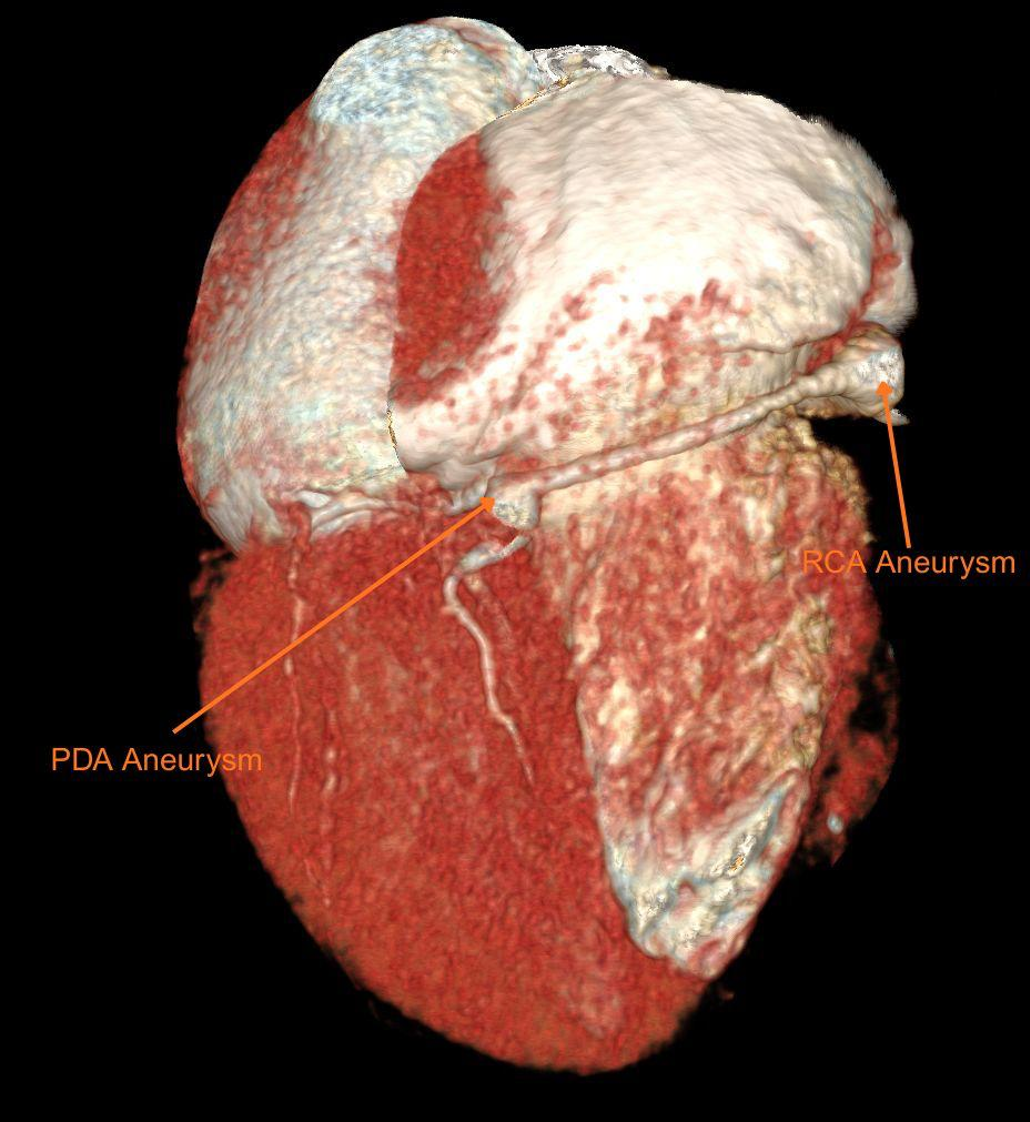
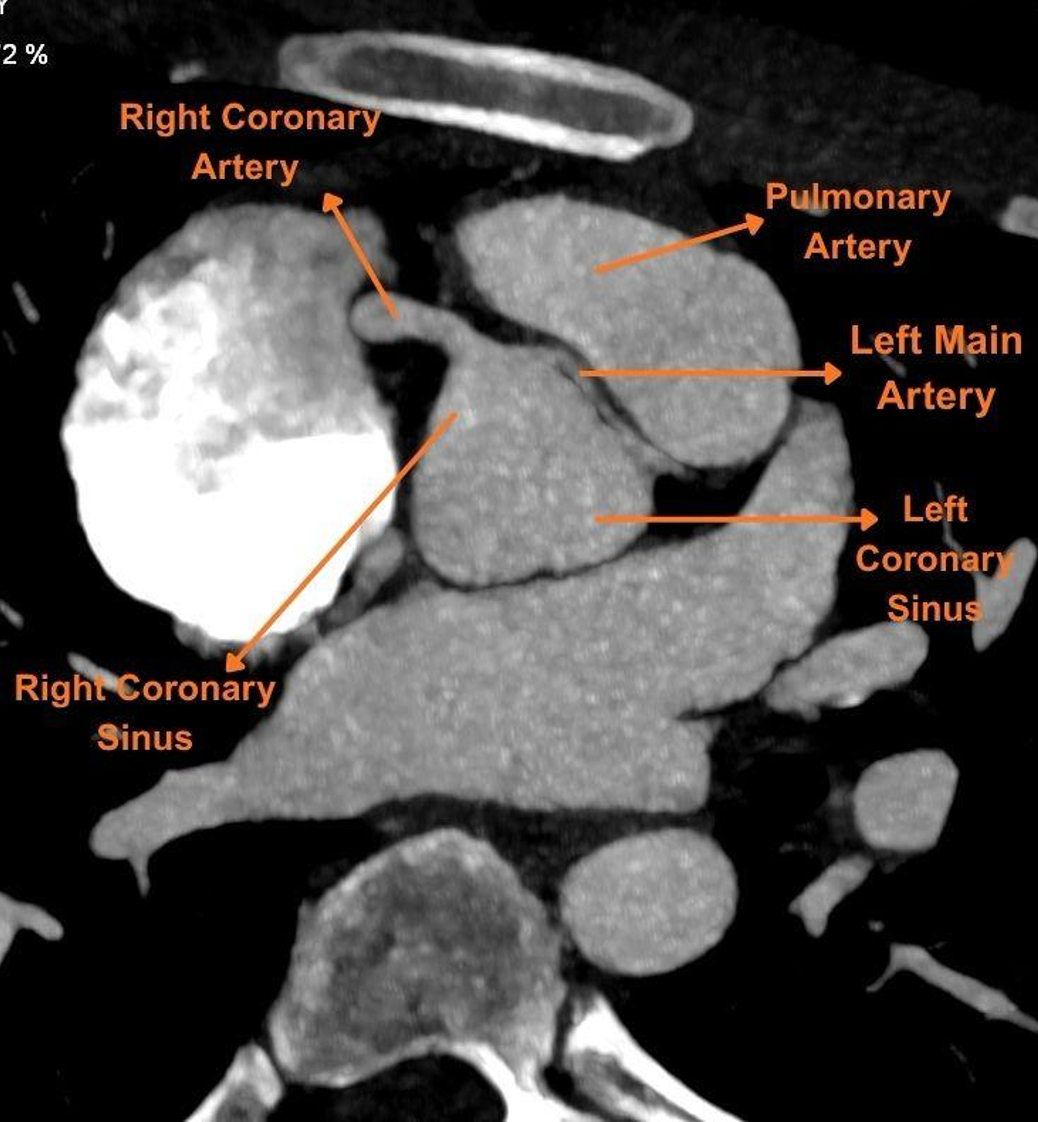
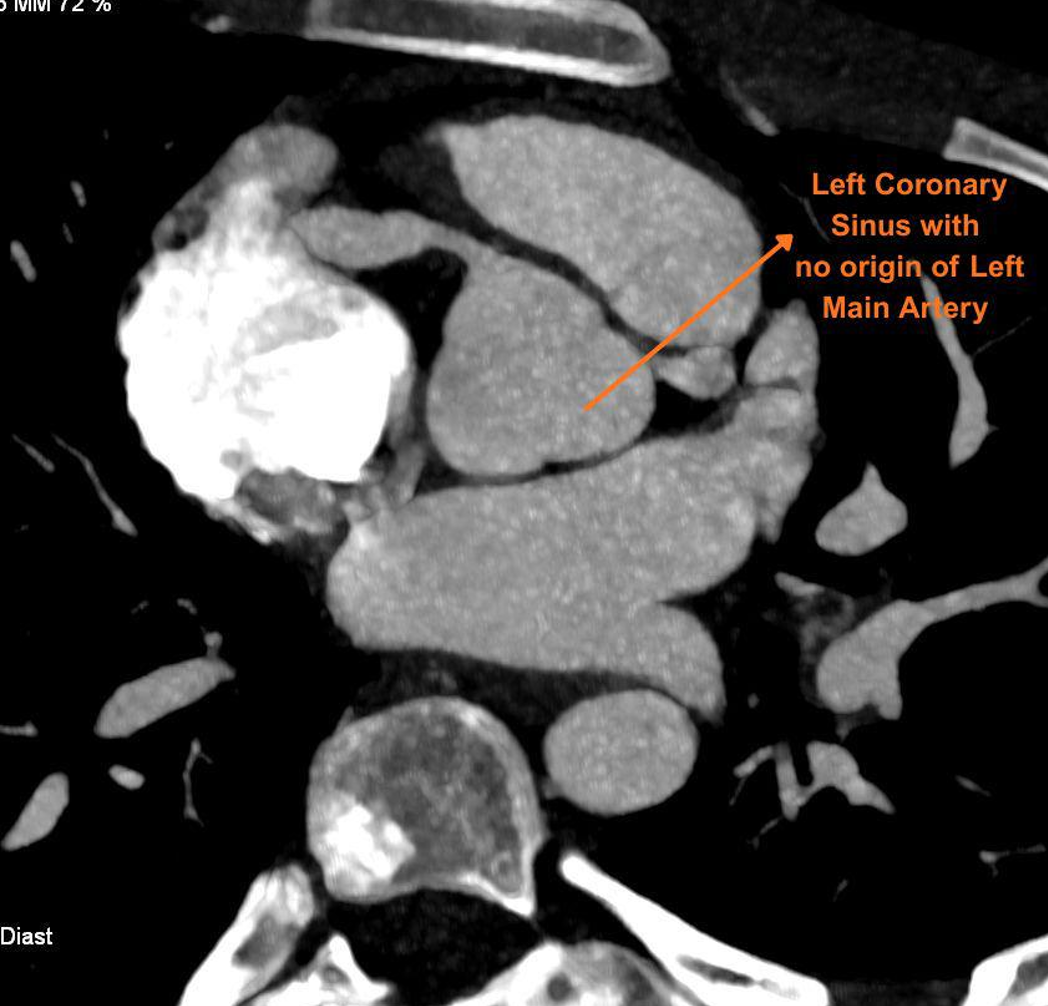
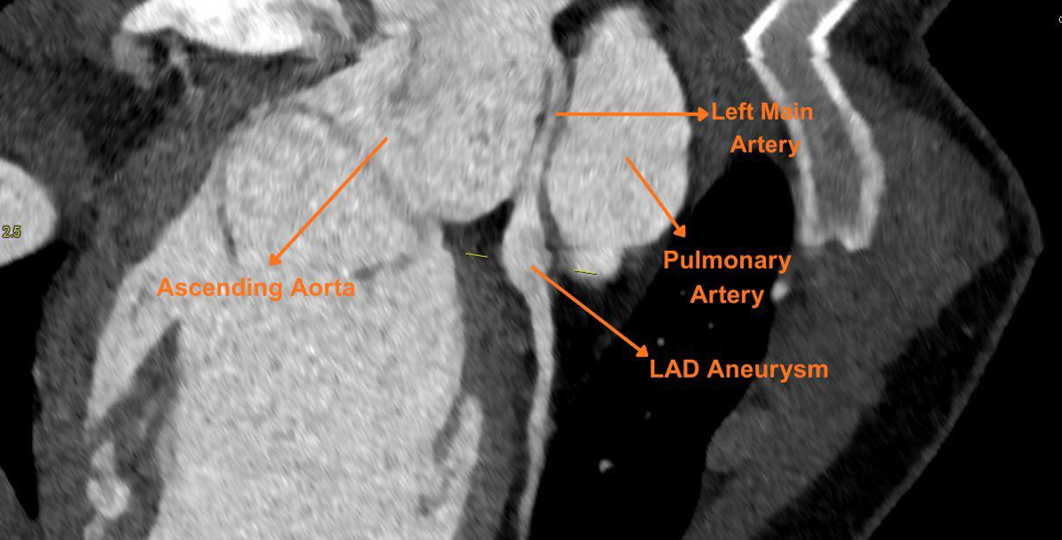
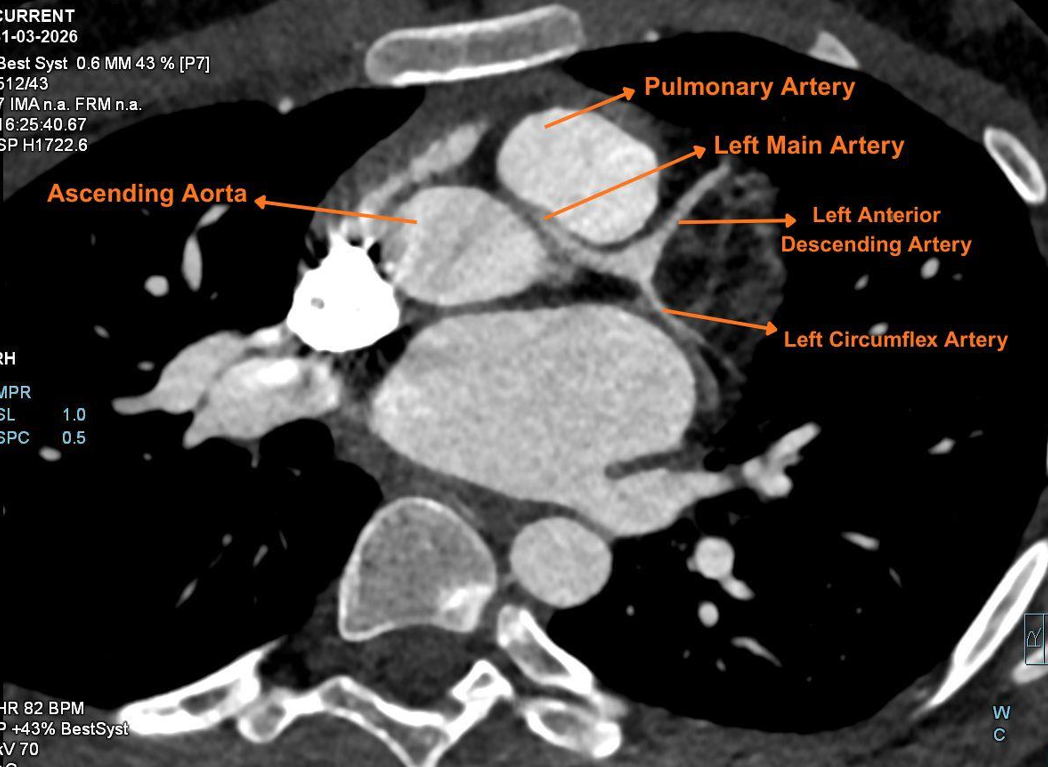
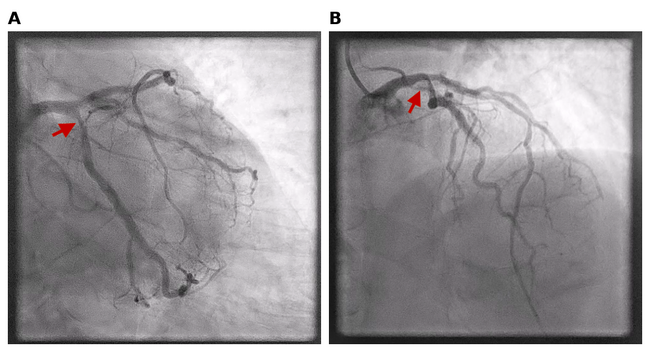
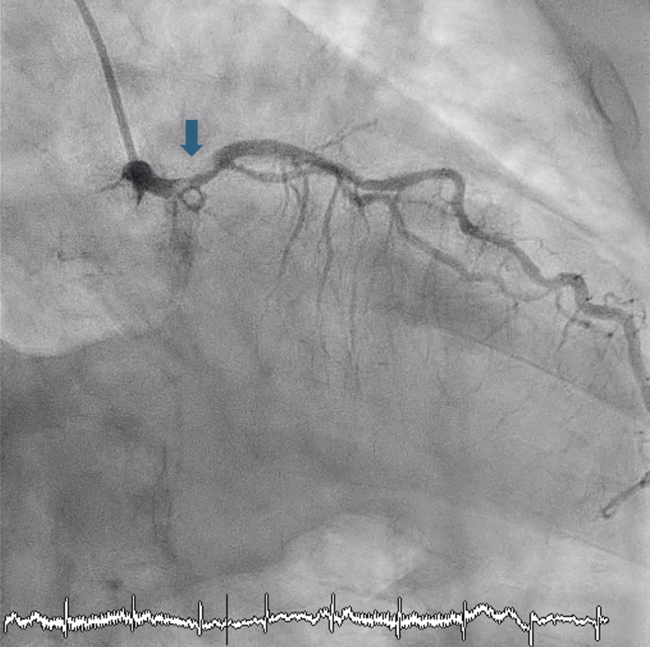
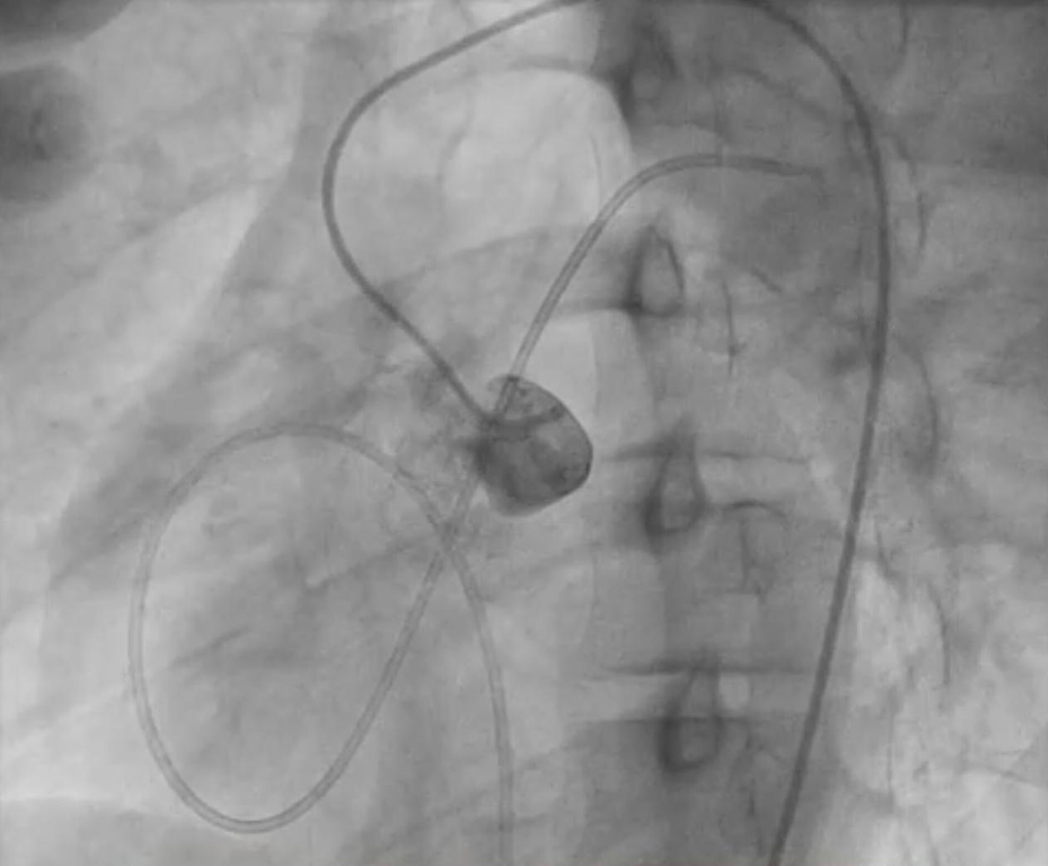
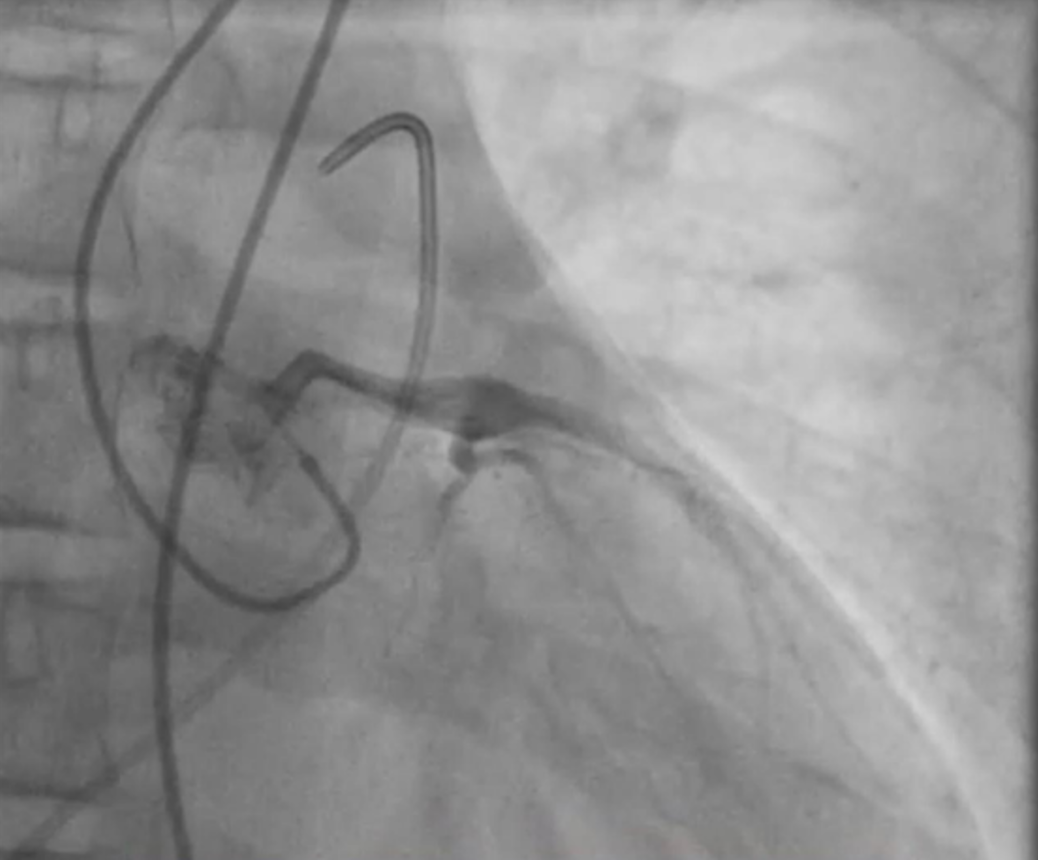
Invasive coronary angiography confirmed these findings and further demonstrated an acutely angulated, slit-like LMCA ostium, which made selective cannulation challenging and ultimately required an internal mammary artery catheter for engagement (Videos 1-3, Figures 6-8). Stress myocardial perfusion imaging showed no inducible ischemia. After multidisciplinary discussion, the patient was managed conservatively with close surveillance, continuation of medical therapy, and restriction of strenuous physical activity. At the 6-month follow-up, the patient was completely asymptomatic and doing well, albeit with restriction of competitive sports and strenuous physical activity.
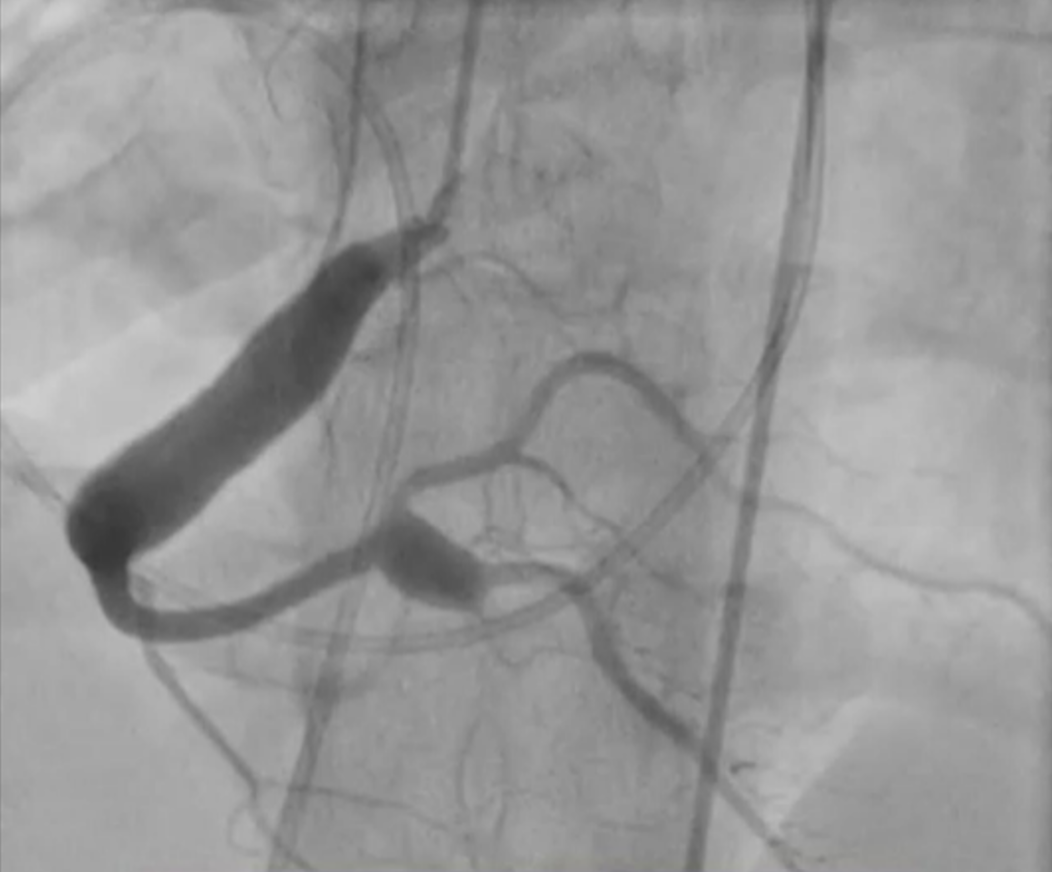
The coexistence of Kawasaki disease-related coronary artery aneurysms and an anomalous left coronary artery arising from the opposite sinus with a malignant interarterial course is exceedingly rare. While persistent coronary aneurysms increase the risk of thrombosis and stenosis, an interarterial LMCA with a slit-like ostium may undergo dynamic compression between the great vessels during exertion, predisposing to myocardial ischemia, ventricular arrhythmias, and sudden cardiac death. This case highlights the complementary role of CCTA and invasive coronary angiography in identifying high-risk coronary anatomy and guiding long-term management.
Affiliations and Disclosures
Aarim Dutta, MBBS1; FNU Maitri, MBBS1; Devinderpal Singh Dhanota, MD2; Amitoj Singh Sodhi, MD2; Akash Batta, MD, DM1; Ruhani Bali, MD, DM1; Bishav Mohan, MD, DM1; Sarju Ralhan, MS, MCh3; Shitij Chaudhary, MD, DM1
From the 1Departments of Cardiology, 2Radiology, and 3Cardiothoracic and Vascular Surgery, Dayanand Medical College and Hospital, Ludhiana, India.
Consent statement: The authors confirm that informed consent was obtained from the patient’s parents for the interventions described in the manuscript and to the publication thereof, including all images.
Address for correspondence: Shitij Chaudhary, MD, DM, Hero DMC Heart Institute, Dayanand Medical College and Hospital, Ludhiana, Punjab 141001, India. Email: shitijchaudhary94@gmail.com