Psilocybin Linked to Lower Inflammatory Markers in Parkinson Disease
Key Clinical Summary
- Psilocybin therapy was associated with a lower systemic inflammatory index at all follow-up assessments in an analysis of 9 participants with Parkinson disease (PD) and mood dysfunction.
- Growth differentiation factor 15 (GDF-15), a mitochondrial stress marker, decreased 1 day after each dose but was not significantly different from baseline at 30 days.
- The uncontrolled, open-label study cannot establish causality or determine whether biomarker changes explain clinical improvements.
Psilocybin administration was associated with reductions in markers of systemic inflammation and mitochondrial stress among people with PD and mood dysfunction, according to a research letter published in JAMA Psychiatry. The analysis, led by researchers at the University of California, San Francisco (UCSF), examined blood samples from 9 participants in a nonrandomized pilot trial.
Study Findings
Twelve adults aged 40 to 75 years with mild to moderate PD and mood dysfunction completed the trial. Participants received oral synthetic psilocybin doses of 10 mg and 25 mg approximately 2 weeks apart.
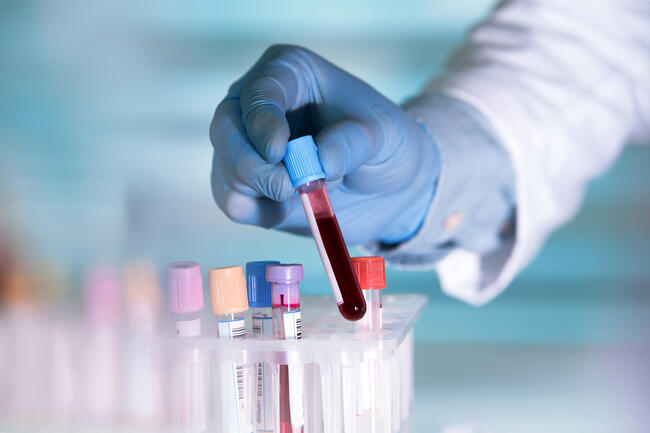
Nine participants provided plasma samples at baseline, 1 day after each administration, and 30 days after the second dose. Researchers assessed a composite inflammatory index incorporating interleukin (IL)-6, IL-8, tumor necrosis factor α (TNF-α), interferon γ (IFN-γ), and high-sensitivity C-reactive protein (CRP).
The index was significantly lower 1 day after 10 mg (standardized mean difference [SMD], −0.72; adjusted P = .003), 1 day after 25 mg (SMD, −0.60; adjusted P = .02), and 30 days after 25 mg (SMD, −0.62; adjusted P = .047). Adjustments used the false discovery rate (FDR) procedure.
One day after 10 mg, IL-6 (SMD, −0.50; adjusted P = .01), IL-8 (SMD, −0.51; adjusted P = .01), and CRP (SMD, −0.37; adjusted P = .047) decreased, while anti-inflammatory IL-10 increased (SMD, 0.25; adjusted P = .03). These changes were not significant at later assessments in FDR-adjusted models.
GDF-15 decreased 1 day after each administration (10 mg: SMD, −0.65; adjusted P = .048; 25 mg: SMD, −0.54; adjusted P = .048), but not significantly at 30 days. Fibroblast growth factor 21 (FGF-21) was nonsignificantly higher after each administration (10 mg: SMD, 0.41; 25 mg: SMD, 0.44).
Clinical Implications
Inflammation and mitochondrial stress are common in PD and may contribute to mood and motor symptoms. An earlier report from this trial described improvements in depression and motor function, prompting investigation of potential biological mechanisms.
However, placebo effects, regression to the mean, clinical heterogeneity, and physiological or behavioral factors, including stress and sleep changes, may have influenced outcomes. False positives remained possible despite correction for multiple comparisons.
GDF-15 and FGF-21 are sensitive but nonspecific markers of systemic mitochondrial stress. Their measurement does not directly establish changes in brain mitochondrial biology.
Expert Commentary
“Causal inference is limited by the open-label study design, lack of a control group, and small sample size,” wrote Ellen R. Bradley, MD, of UCSF’s Department of Psychiatry and Behavioral Sciences in San Francisco, California, and colleagues. They recommended repeated blood sampling, follow-up beyond 30 days, and more direct measures of immune and brain mitochondrial biology.
Further research is needed to clarify whether these associations reflect treatment effects and how they relate to the therapy’s potential clinical mechanisms.
Reference