

Reperfusion-Guided Blood Pressure Strategy May Improve Stroke Outcomes
Key Clinical Summary
- A multicenter randomized clinical trial published in JAMA Neurology found that reperfusion-guided systolic blood pressure (BP) management after successful endovascular therapy improved 90-day functional outcomes compared with guideline-recommended care.
- Patients receiving tailored BP targets achieved higher rates of functional independence and experienced fewer hemorrhagic transformations.
- Mortality and symptomatic intracranial hemorrhage rates were similar between groups, although investigators caution that the findings should be considered hypothesis-generating pending confirmation in larger trials.
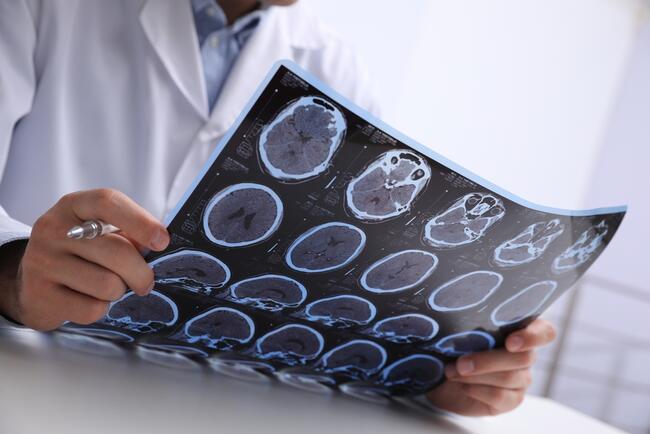
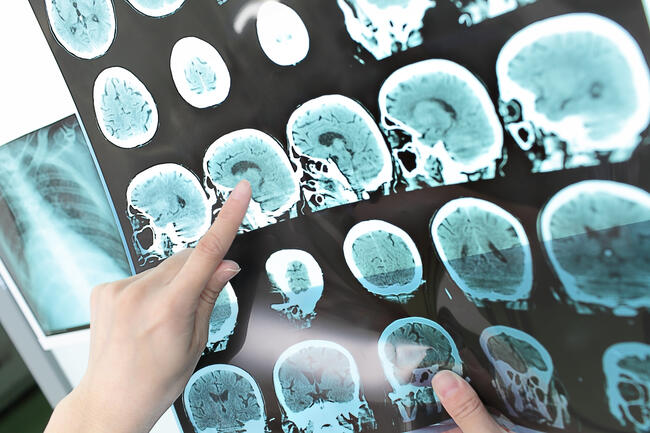
Acute ischemic stroke patients who achieve successful reperfusion following endovascular therapy may benefit from individualized blood pressure (BP) management, according to findings from the HOPE trial published in JAMA Neurology. The multicenter study suggests that tailoring systolic BP targets based on the degree of reperfusion achieved during thrombectomy may improve recovery while reducing hemorrhagic complications compared with current guideline-recommended management.
Study Findings
The investigator-initiated HOPE trial enrolled adults with anterior circulation large-vessel occlusion stroke who achieved successful reperfusion (modified Thrombolysis in Cerebral Infarction [mTICI] score ≥2b) after endovascular therapy. Conducted across 11 comprehensive stroke centers in Spain, the study randomized patients to either a reperfusion-guided BP strategy or standard management targeting systolic BP below 180 mm Hg for 72 hours.
The intervention assigned systolic BP targets according to reperfusion status: 140–160 mm Hg for patients with mTICI 2b reperfusion and 100–140 mm Hg for those with mTICI 2c or 3 reperfusion. Antihypertensive agents or vasopressors were used as needed to maintain targets.
Among 440 patients included in the intention-to-treat analysis, favorable functional outcomes at 90 days, defined as a modified Rankin Scale score of 0 to 2, were achieved in 60.0% of patients in the intervention group compared with 47.1% of those receiving guideline-based management. The absolute risk difference was 13.3% (95% CI, 4.1%-22.6%; P = .005).
Hemorrhagic transformation occurred in 22.3% of patients assigned to reperfusion-guided management versus 31.6% in the control group (odds ratio, 0.62; 95% CI, 0.41-0.95). Rates of symptomatic intracranial hemorrhage (3.5% vs 3.9%) and 90-day mortality (15.4% vs 15.6%) did not differ significantly. Serious adverse events occurred in 15.8% and 12.0% of patients in the intervention and control groups, respectively.
Clinical Implications
Previous trials evaluating intensive BP lowering after endovascular therapy have generally failed to demonstrate benefit and, in some cases, raised concerns about potential harm. The HOPE trial differs from prior studies by individualizing BP targets according to reperfusion status and incorporating protocolized hemodynamic monitoring with predefined approaches to hypotension management.
These design features may help explain the positive findings and support the concept that post-thrombectomy BP management should be tailored rather than universally applied.
However, the investigators emphasized several limitations. The trial stopped before reaching its planned sample size because of funding constraints, and patients with incomplete reperfusion were underrepresented. The study also excluded patients with unrevascularized intracranial or extracranial vasculopathy, potentially limiting generalizability.
As a result, the authors caution that the findings should be viewed as hypothesis-generating rather than immediately practice-changing. Still, the results suggest that optimized hemodynamic management may complement emerging reperfusion strategies and warrant evaluation in larger confirmatory studies.
Expert Commentary
“This multicenter randomized clinical trial found that in patients with acute ischemic stroke with large-vessel occlusion of the anterior circulation who achieved successful reperfusion after endovascular therapy, a tailored postprocedural systolic BP control strategy led to improved functional outcome and a lower rate of hemorrhagic transformation,” wrote Pol Camps-Renom, PhD, Department of Neurology, Hospital de la Santa Creu i Sant Pau, Institut de Recerca Sant Pau, Barcelona, Spain, and study coauthors.
“The distinctive methodological features and population characteristics of HOPE, as compared with previous neutral or negative trials, suggest that the optimal BP management after endovascular therapy requires a nuanced and individualized approach,” they concluded.