Federal funding for post-crash care and an ambitious plan to expand prehospital blood transfusions dominated the National Emergency Medical Services Advisory Council's (NEMSAC) Nov. 4, 2026, virtual meeting.
Federal funding for post-crash care and an ambitious plan to expand prehospital blood transfusions dominated the National Emergency Medical Services Advisory Council's (NEMSAC) Nov. 4, 2026, virtual meeting.
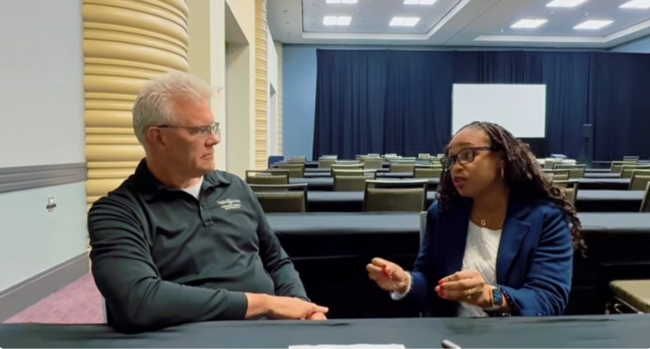
Nikki Johnson and Nicole Jagers whose experiences are featured in the documentary Into the Unknown sit down to share their experience filming the documentary.
Nikki Johnson and Nicole Jagers whose experiences are featured in the documentary Into the Unknown sit down to share their experience filming the documentary.
The Mackinac Bridge Walk puts tens of thousands of people on 5 miles of critical infrastructure with only two ways out. Here’s how EMS plans for communications, access, triage and transport.
The Mackinac Bridge Walk puts tens of thousands of people on 5 miles of critical infrastructure with only two ways out. Here’s how EMS plans for communications, access, triage and transport.
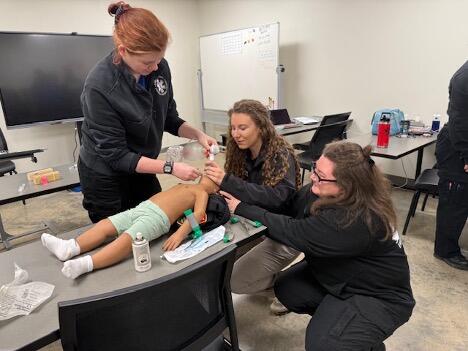
The grant will help RCC purchase specialized equipment, support instructional personnel, and cover costs of accreditation, certification, and faculty development.
The grant will help RCC purchase specialized equipment, support instructional personnel, and cover costs of accreditation, certification, and faculty development.
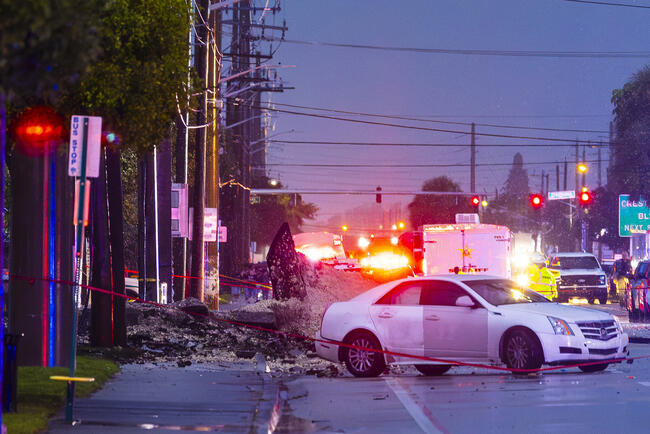
The investigation into what caused a Sunday plane crash into a heavy populated Palm Beach County neighborhood, killing all nine aboard, has only just begun.
The investigation into what caused a Sunday plane crash into a heavy populated Palm Beach County neighborhood, killing all nine aboard, has only just begun.
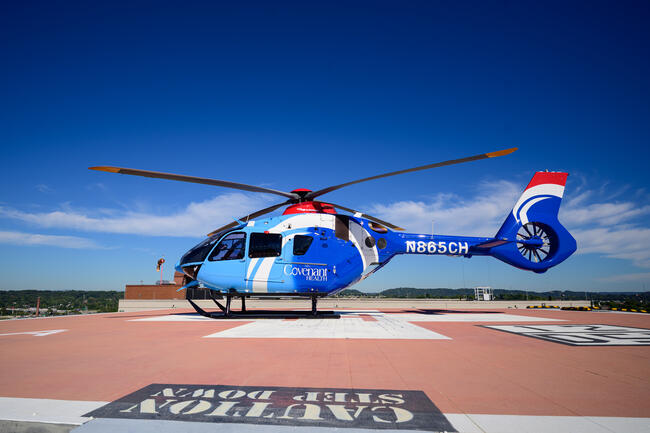
Since launching in May 2026, Covenant Health Air has been requested more than 800 times, serving communities across East Tennessee and helping bridge gaps in access to specialized medical services
Since launching in May 2026, Covenant Health Air has been requested more than 800 times, serving communities across East Tennessee and helping bridge gaps in access to specialized medical services
Levy brings to the role more than 30 years of experience in emergency medicine, EMS, trauma care, disaster response, resuscitation science, research and education.
Levy brings to the role more than 30 years of experience in emergency medicine, EMS, trauma care, disaster response, resuscitation science, research and education.
The California Ambulance Association (CAA) has presented Liza Lane, President and Founder of Revenue Lane and Chair of the CAA Payer Issues Committee, with the 2026 Harvey Hall President’s Leadership Award, recognizing her exceptional...
The California Ambulance Association (CAA) has presented Liza Lane, President and Founder of Revenue Lane and Chair of the CAA Payer Issues Committee, with the 2026 Harvey Hall President’s Leadership Award, recognizing her exceptional...
Building a Productive EMS Classroom moves EMS educators beyond test-driven instruction toward training that produces field-ready providers. Participants explore strategies for creating effective learning partnerships, developing clinical thinking and professional identity, leaving with ...
Prehospital blood programs are particularly important to rural communities who are often significant distances from trauma centers, increasing the transport time of patients to definitive care after critical incidents, such as motor vehicle crashes. But starting and maintaining these pr...
Are you still relying primarily on manual ventilation, or is your EMS system considering adding mechanical ventilation—or upgrading the ventilation capabilities you already have? New innovations in portable mechanical ventilation are changing what is possible in the prehospital environm...
Following a hugely popular June webinar exploring common documentation pitfalls, audit risks, and the operational pressures facing EMS agencies, we’re revisiting the topic to answer EMS leaders' questions. Using a workshop format, Digitech Head of Compliance Amanda Stark will review rea...
In this session, we will discuss the challenges public safety, and EMS practitioners in particular, face when they are called to the scene of a significant emergency. Whether cardiac arrest, your child's trauma, delivering a baby or helping out a friend or family member, the pressure is...
Effective EMS documentation is a critical professional skill that goes far beyond filling out a form. It reflects clinical thinking, supports patient care, and creates a legal and operational record that outlives the call. Thorough documentation of training and education is also critica...
Session Details
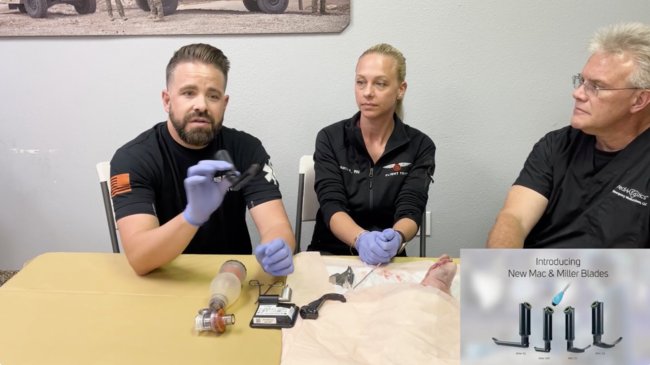
Breathing Life into Pediatric Care: Key Skills for Effective Airway Management is a hands-on skills discussion using real-world equipment that's designed to equip EMS professionals with practical, hands-on techniques for managing pediatric airway emergencies in the preh...
Did you know that two cannulas can look nearly identical, yet deliver very different results for your patients? Join us for a hands-on, visual exploration of single-nare sampling line design and the clinical impact of split-flow cannulas. Through real device demonstrations and clinical ...
Capnography provides real-time, continuous information that can assist in the early detection of respiratory distress, effectiveness of ventilation, and proper placement of advanced airway devices. Additionally, ETCO2 monitoring offers crucial insight into cardiac arrest resuscitation e...
Nikki Johnson and Nicole Jagers whose experiences are featured in the documentary Into the Unknown sit down to share their experience filming the documentary.
Nikki Johnson and Nicole Jagers whose experiences are featured in the documentary Into the Unknown sit down to share their experience filming the documentary.
Robbie Johnson, assistant chief of field operations and special operations at JanCare Ambulance, joins host Mike McCabe to share why Type II ambulances make up most of the agency’s fleet.
Robbie Johnson, assistant chief of field operations and special operations at JanCare Ambulance, joins host Mike McCabe to share why Type II ambulances make up most of the agency’s fleet.
Michael Poynter, senior consultant at Fitch & Associates, shares about the agency's new training course for first responders to help agencies better prepare for natural disasters.
Michael Poynter, senior consultant at Fitch & Associates, shares about the agency's new training course for first responders to help agencies better prepare for natural disasters.
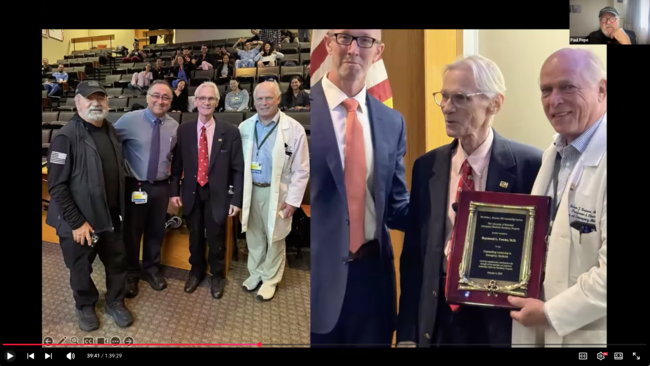
Memories of Eagles founder Dr. Ray Fowler; Philip Spinella on cold stored platelets; Josh Gaither on an Arizona statewide prehospital transfusion initiative; and more.
Memories of Eagles founder Dr. Ray Fowler; Philip Spinella on cold stored platelets; Josh Gaither on an Arizona statewide prehospital transfusion initiative; and more.
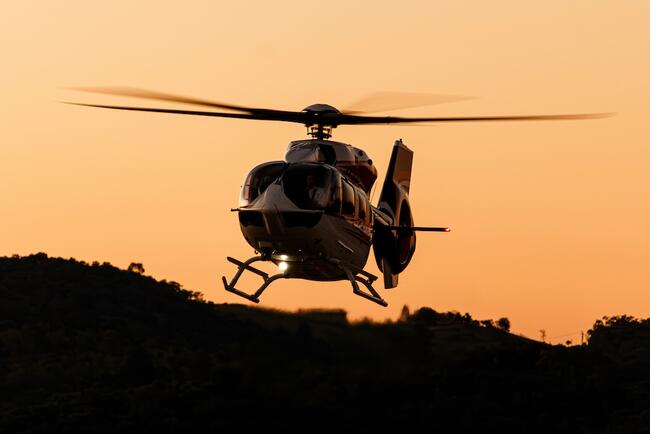
With the aim of bolstering the country’s helicopter EMS (HEMS) capabilities, the Polish Ministry of Health is pursuing a project to buy five helicopters with an option to procure a sixth aircraft.
With the aim of bolstering the country’s helicopter EMS (HEMS) capabilities, the Polish Ministry of Health is pursuing a project to buy five helicopters with an option to procure a sixth aircraft.
The Estonian Health Board and the country’s Health Insurance Fund are developing a new model to overhaul the country's EMS by 2028, with a streamlined structure of mostly two-person crews.
The Estonian Health Board and the country’s Health Insurance Fund are developing a new model to overhaul the country's EMS by 2028, with a streamlined structure of mostly two-person crews.
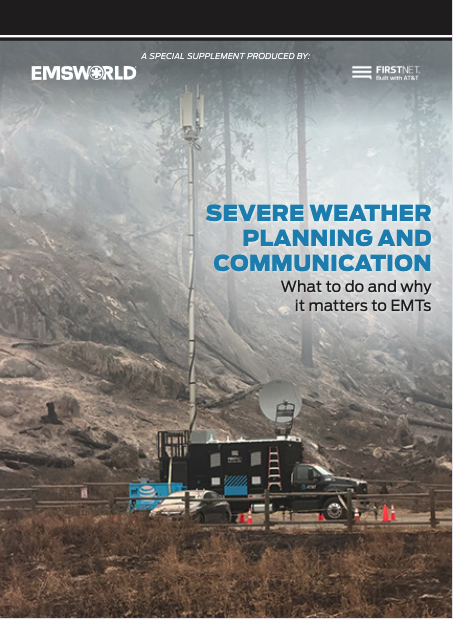
Emergency medical technicians face many challenges in the line of duty. Extreme weather creates added risks, hampering response and safety efforts.
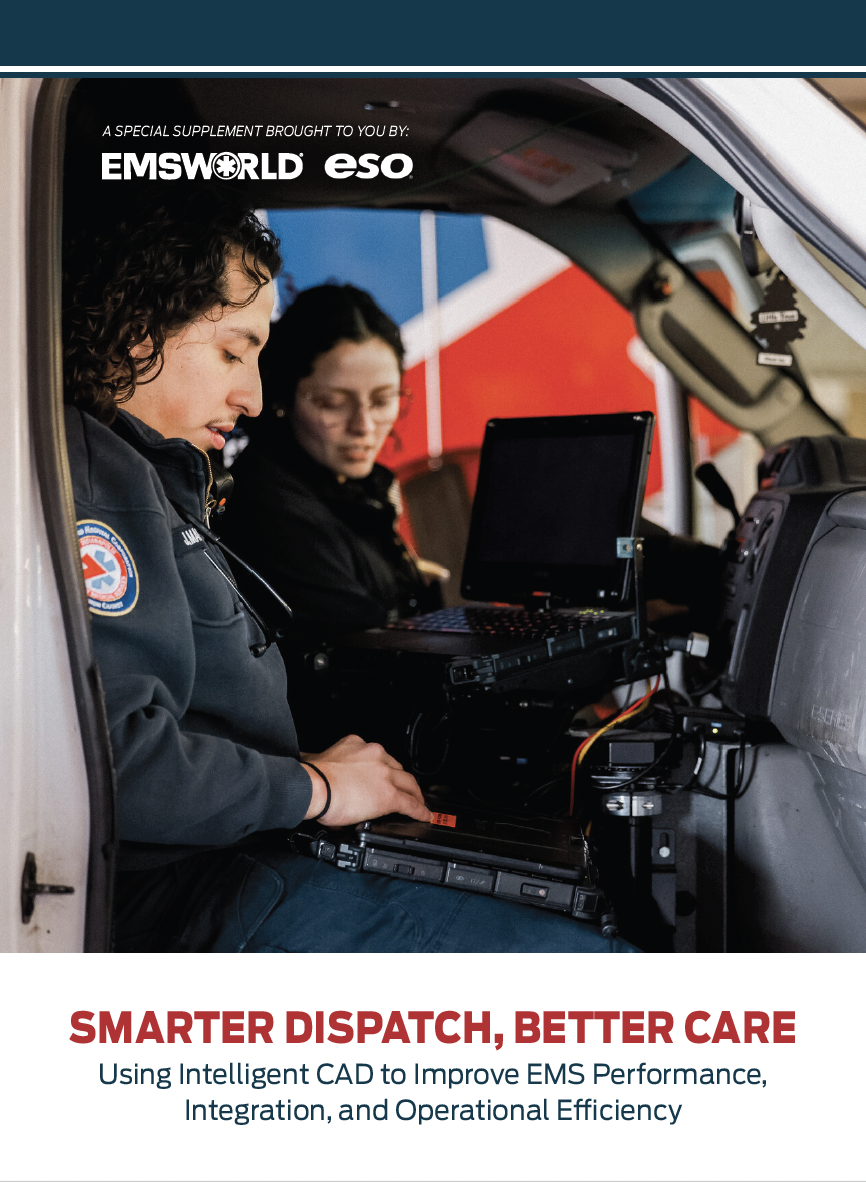
This e-book explores how next-generation CAD platforms are helping agencies improve response decisions, integrate data across healthcare systems, optimize resource deployment, and enhance patient care through real-time information and automation.
This special EMS World supplement, sponsored by Ansell, explores the critical role of personal protective equipment (PPE) and substance isolation in protecting EMS providers from chemical and infectious disease exposures.
As EMS practitioners, we are committed to improving patient care and outcomes in the prehospital setting. We know that a highly trained EMS service means a safer community and more positive outcomes when duty calls today and tomorrow.
For EmergyCare, the largest EMS provider in Northwest Pennsylvania, success begins and ends with people. President David Basnak emphasizes that no piece of equipment can replace skilled, supported professionals.