Asciminib Demonstrates Clinical Activity in Relapsed or Refractory Ph-Positive Acute Lymphoblastic Leukemia
Clinical Summary:
- Design/Population: This retrospective chart review evaluated adults with Philadelphia chromosome–positive acute lymphoblastic leukemia who received asciminib through a managed access program after relapse, treatment resistance, or intolerance to available therapies.
- Key Outcomes: More than 60% of patients achieved complete hematologic remission or complete hematologic remission with incomplete count recovery within 3 months of treatment. Responses were observed despite extensive prior therapy and a high prevalence of poor-risk features.
- Clinical Relevance: These findings support the clinical activity of asciminib in heavily pretreated patients and suggest potential utility in patients with limited treatment options, including those harboring T315I mutations.
Results from a retrospective real-world analysis demonstrated that asciminib produced clinically meaningful remission among adult patients with relapsed, refractory, or treatment-intolerant Philadelphia chromosome (Ph)-positive acute lymphoblastic leukemia (ALL).
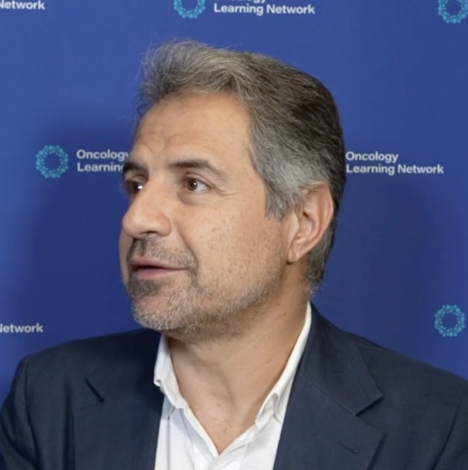
These results were presented by Marlise Luskin, MD, Dana-Farber Cancer Institute, Boston, Massachusetts, at the 2026 American Society of Clinical Oncology (ASCO) Annual Meeting in Chicago, Illinois.
In this non-interventional study, researchers collected data from 37 patients with relapsed, refractory, resistant, or treatment-intolerant Philadelphia chromosome (Ph)-positive ALL who received at least 1 dose of asciminib through a managed access program between March 2019 and June 2023. Patients were followed for up to 13 months after treatment initiation or until treatment discontinuation, death, or last follow-up, whichever occurred first.
The primary end point was achievement of complete hematologic remission or complete hematologic remission with incomplete count recovery within the first 3 months of treatment. Key secondary end points included duration of response, overall survival (OS), and safety.
At analysis, 43.2% of patients had received at least 4 prior lines of therapy and 94.6% of patients had previously received ponatinib. T315I mutations were observed in 35.1% of patients. Asciminib was administered as monotherapy in 67.6% of patients, with a median dose intensity of 400 mg per day. Complete hematologic remission or complete hematologic remission with incomplete count recovery was achieved in 62.2% of patients. Median duration of response was 7.4 months, and median OS was 7.7 months.
Among 19 patients assessed for minimal residual disease (MRD) at the time of complete hematologic remission or complete hematologic remission with incomplete count recovery, 36.8% achieved MRD negativity. Responses were also observed among patients with high-risk molecular features. Among patients with T315I mutations, 10 achieved complete hematologic remission or complete hematologic remission with incomplete count recovery at some point during follow-up.
At safety analysis, 89.2% discontinued asciminib due to either disease progression (n = 16) or adverse events (n = 5). Treatment-emergent adverse events were reported in 73% of patients, including grade ≥3 events in 56.8% of patients. The most frequently reported adverse event was neutropenia. Most deaths were attributed to Ph-positive ALL.
“Adults with [Ph-positive] ALL that was relapsed, resistant/refractory or intolerant to previous [treatment] achieved high rates of [complete hematologic remission or complete hematologic remission with incomplete count recovery] with [asciminib] as monotherapy or in combination with chemotherapy/immunotherapy, despite most [patients] being heavily pretreated and/or harboring poor prognosis markers,” concluded Dr Luskin et al. “Results, while positive, should be cautiously interpreted given the retrospective nature of the study and heterogenous population.”
Source:
Luskin MR, Sutrave G, Chanut M, et al. ASCERTAIN: Real-world asciminib (ASC) effectiveness in patients (pts) with Philadelphia chromosome–positive acute lymphoblastic leukemia (Ph+ ALL). Presented at the ASCO Annual Meeting. May 29 - June 2, 2026. Chicago, Illinois. Abstract 6526.