










PV Guidelines Question 3
Transcript
The correct answer is first-line cytoreductive options include hydroxyurea and pegylated interferon formulations. The rationale is as follows: For patients with high-risk PV, first-line cytoreductive therapy includes either hydroxyurea or an interferon formulation used in addition to continued aspirin and therapeutic phlebotomy. High-risk patients with PV include those aged 60 years and older and/or those with prior thrombosis, whether that thrombosis be arterial or venous. The NCCN guidelines for MPNs recommend either hydroxyurea or interferon formulations for high-risk patients with PV. The choice between these agents should be individualized based on patient preference and treatment goals, such as symptom reduction and adverse event considerations. Ruxolitinib is generally used as second-line therapy rather than as standard first-line therapy in high-risk patients.
References
- Tremblay D, Kremyanskaya M, Mascarenhas J, Hoffman R. Diagnosis and treatment of polycythemia vera: a review. JAMA. 2025;333(2):153-160. doi:10.1001/jama.2024.20377
- Benevolo G, Vassallo F, Urbino I, Giai V. Polycythemia vera (PV): update on emerging treatment options. Ther Clin Risk Manag. 2021;17:209-221. doi:10.2147/TCRM.S213020
- Referenced with permission from the NCCN Clinical Practice Guidelines in Oncology (NCCN Guidelines®) for Myeloproliferative Neoplasms V.1.2026. © National Comprehensive Cancer Network, Inc. 2026. All rights reserved. Accessed March 10, 2026. To view the most recent and complete version of the guideline, go online to NCCN.org. NCCN makes no warranties of any kind whatsoever regarding their content, use or application and disclaims any responsibility for their application or use in any way.
- Barbui T, Vannucchi AM, De Stefano V, et al. Ropeginterferon versus standard therapy for low-risk patients with polycythemia vera. NEJM Evid. 2023;2(6):EVIDoa2200335. doi:10.1056/EVIDoa2200335
© 2026 HMP Global. All Rights Reserved.
Any views and opinions expressed are those of the author(s) and/or participants and do not necessarily reflect the views, policy, or position of Oncology Learning Network or HMP Global, their employees, and affiliates.
Related Content



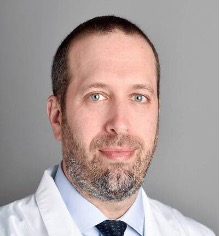
Dr Michael Grunwald is board-certified in internal medicine, hematology, and medical oncology, specializing in the treatment of hematologic malignancies. His clinical focus includes acute and chronic leukemias, myelodysplastic syndromes, and myeloproliferative neoplasms, as well as transplantation and cellular therapy. Dr Grunwald is actively involved in clinical trials focused on leukemia and allogeneic stem cell transplantation. He serves as chief of the Leukemia Section at Atrium Health Levine Cancer, Charlotte, NC, where he is also director of the Transplantation and Cellular Therapy Program. He is a professor of cancer medicine at Wake Forest University School of Medicine.




