Building a Standardized Bone Marrow Biopsy Pathway: A Practical Guide for Advanced Practice Providers
Transcript
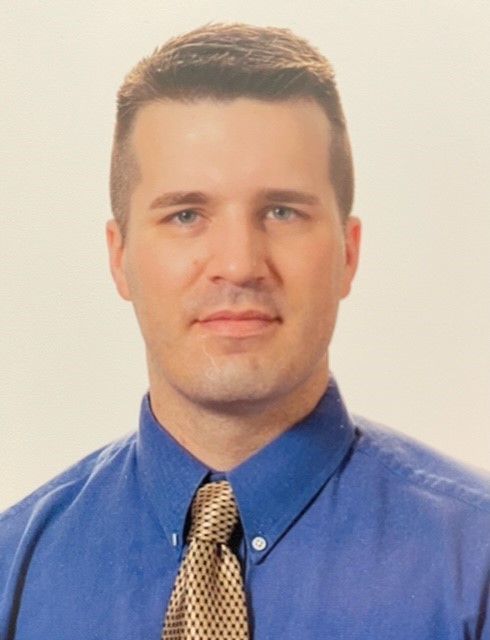
Jeremy Heinrich: So, my name is Jeremy Heinrich. I'm a physician assistant, and I work at three major academic centers in New York City, and I am primarily focused on procedure-based care. So, I am very skilled at doing bone marrow biopsies. And I'm joined today with Bryon Allen.
Bryon Allen: Hi, I'm Bryon Allen. I'm a nurse practitioner, and I've been working in bone marrow transplants and hematological disease for over 23 years. And I work at a major academic institution in Portland, Oregon.
Jeremy Heinrich: So, introduction, why standardization matters. So, adequate bone marrow biopsy specimens and aspirates are essential to the diagnosis and management of many hematologic diseases. The World Health Organization recommends that core biopsies include at least 15 millimeters of evaluable marrow, and variations in specimen quality negatively affect a pathologist's ability to make a definitive diagnosis. APPs perform a substantial proportion of bone marrow biopsy procedures and often lead protocol development and standardization efforts within their institution. This video shares how institutions can evaluate current practices and build a more standardized bone marrow biopsy pathway.
Bryon Allen: Research comparing the adequacy of bone marrow biopsy specimens between the different procedure types in controlled settings is lacking in the current literature. Institutions should also evaluate how clinical teams communicate about bone marrow biopsy indications, specimen requirements, and pathology workflow, as these factors affect sampling adequacy and diagnostic quality. In your experience, Jeremy, what gaps in standardization did you identify when you first interviewed your institution's bone marrow biopsy practice?
Jeremy Heinrich: So, from my experience, the first thing we looked at is our non-diagnostic rate. It was higher than we expected, and tracing it back revealed that much of it stemmed from operator variability. Having that data made the case for standardization much easier to make. In addition, we also looked at different techniques of how people were doing it. Were they doing the first pool? Were they making their slides from the first pool? Were they ensuring that they had adequate spicules before they continued on with collecting, so that would determine whether you were going to have a good minimal residual disease sample, especially in your multiple myeloma patients? So, all of these factors were key in the standardization process.
Bryon Allen: In my experience, the biggest gap we found was inconsistency in specimen adequacy, not because of poor technique, necessarily, but because we didn't have a shared definition of what adequate means across our team. That was the starting point for everything we built after. Talking to the pathologists, talking to the physicians, and the teams, and figuring out what they needed really helped to figure out for the team what we needed to do to be successful.
Jeremy Heinrich: Aligning the right stakeholders. So, it is essential to build a multidisciplinary working group that includes procedural health care practitioners, technologists, pathologists, and referring clinicians involved in the bone marrow biopsy pathway to establish clear communication and optimize outcomes. Establish shared metrics focused on specimen adequacy, patient safety, protocol design, and continuous improvement. Clear communication pathways should be established for scheduling, specimen handling, pathology requirements, and follow-up. Communication with pathology is increasingly important as bone marrow biopsies are now used for molecular testing, biomarker analysis, cytogenetics, and next-generation sequencing. Best practices for real-time pathology engagement during the procedure can support specimen quality and reduce the need for repeat procedures. Who were the key stakeholders you needed to align with? And how did you build buy-in for a standardized bone marrow biopsy approach, Bryon?
Bryon Allen: From my experience, the hardest part was getting consistent buy-in across providers at different experience levels. What worked for us was framing it around patient outcomes rather than technique preferences. When you show people the data on non-diagnostic rates, the conversation changes. How about for you, Jeremy?
Jeremy Heinrich: In my experience, pathology was the most important partner. Once we got them involved in defining what a quality specimen looked like, everything else became easier to align around. The procedural team started thinking differently about what success looked like.
Bryon Allen: So, a standardized bone marrow biopsy protocol should address pre-procedural safety verification, anticoagulation, and a medication review, consent, and patient education, needle system selection, and specimen-handling steps. In the outpatient hematology oncology setting, bone marrow biopsy is most often performed without imaging guidance using landmark-based palpation of the posterior iliac crest. Institutions should establish clear criteria when referral to interventional radiology is warranted, such as for patients requiring sedation, those with challenging anatomy, or those within whom prior palpation-guided attempts were unsuccessful. Define preferred needle systems, anticipated tissue requirements, core versus aspirate versus both, and standardized specimen handling and processing steps. The procedure indication should guide specimen handling, including whether flow cytometry, cytogenetics, molecular studies, or an additional marrow aspirate is required. Establishing this expectation before the procedure, in coordination with pathology support, specimen adequacy reduces the need for repeat biopsies. In my practice, I also do a double-check right before doing the procedure to verify the tech is expecting to get all the samples I'm expecting to collect, so that we're synced up on that. Jeremy, what does your standardized bone marrow biopsy protocol look like? And how did you arrive at these decisions? And what was the learning curve like?
Jeremy Heinrich: From my experience, the protocol didn't emerge all at once. It evolved. We started with the highest impact areas, like medication review and specimen handling, and built out from there. Getting pathology's input on processing requirements was a game-changer for our adequacy rates. And then another important step for us, when I started at my current institution, everything was on paper, and it was all email-based, and we were having to email the provider and say, "What test do you want?" or look through a note and figure out which note it was. And so, then we standardize that process and have a more formal order that they have to put into the computer, which tells the tests, and then we're constantly updating that as new tests come around.
Bryon Allen: We define exactly what a complete pre-procedural checklist looks like, which needle system we default to, and how specimens get handled from the moment the core is extracted. That consistency reduced variability significantly across our team.
Jeremy Heinrich: Measuring success and continuous improvement. So, track bone marrow specimen adequacy, core length, evaluable marrow, aspirate quality, diagnostic yield, and complications as primary quality metrics. We review outcomes regularly through internal quality review processes, share results with a broader care team, and update protocols when trends emerge. Ongoing monitoring is a core component of bone marrow biopsy quality improvement. And then operator experience, one of the most consistently demonstrated factors affecting specimen quality, can be addressed through targeted education and competency frameworks. How do you measure success in your bone marrow biopsy program? And how have you used data to drive continuous improvement, Bryon?
Bryon Allen: In my experience, tracking co-adequacy rates was the most actionable metric. We set a target based on the World Health Organization's recommendations and reviewed performance quarterly. When we saw dips, we could trace them back to specific operators or workflow changes and intervene quickly.
Jeremy Heinrich: From my experience, the feedback loop with pathology was the most valuable part of our quality program. When pathology flagged a suboptimal specimen, these data points returned to the procedural team. That real-time connection between specimen quality and procedure performance changed the culture over time, and this further allowed us to be able to find out if it was operator-dependent or if there was something that we were doing. Again, a prime example of this is when I first started there, I had never done this for the past 20 years, but the slides were being put into a slide holder as opposed to a slide book, and they were not being dry when they were put into the slide holder, and so that affected the ability of pathology to read them. So, pathology suggested we get these little fans. And so, we actually dry the slides before we put them in there, and then they've had a dramatic turnaround and complimented us on being able to have better-quality samples.
Bryon Allen: Standardization requires coordinated protocols across clinical, operational, and pathology stakeholders. Success should be defined by measurable outcomes, for example, specimen adequacy, diagnostic yield, and complication rates, which are regularly reviewed and used to drive continuous improvement. For APPs, taking ownership of bone marrow biopsy protocol development builds procedural competence and advances diagnostic quality across the program.
References
- Marinelli LM, Fang H, Howard MT, et al. Bone marrow biopsy operator experience and impact on aspirate, biopsy, and ancillary testing quality. Mayo Clin Proc Innov Qual Outcomes. 2018;2(3):241-247. doi:10.1016/j.mayocpiqo.2018.06.007
- Merzianu M, Groman A, Hutson A, et al. Trends in bone marrow sampling and core biopsy specimen adequacy in the United States and Canada: a multicenter study. Am J Clin Pathol. 2018;150(5):393-405. doi:10.1093/ajcp/aqy066
- Edgar C, Shreve N, Evans MD, et al. Advanced practice providers in cellular therapy: survey results from the ASTCT APP Special Interest Group. Transplant Cell Ther. 2024;30(12):1223.e1-1223.e9. doi:10.1016/j.jtct.2024.10.001
- Lord K, Toth S, Potter J, et al. Development of a standardized bone marrow procedure training and competency toolkit for advanced practice providers. J Adv Pract Oncol. 2022;13(7):713-716. doi:10.6004/jadpro.2022.13.7.7
© 2026 BD. All rights reserved. BD-180966
Oncology Learning Network does not own and did not create the content promoted above.