Evolving Role of CAR-T and Bispecific Therapies in Chronic Lymphocytic Leukemia
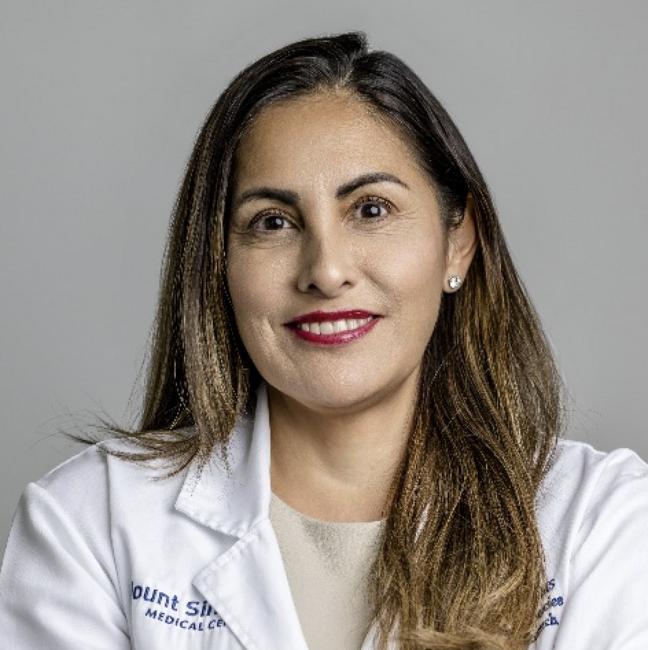
At the 2026 LL&M Winter Symposium in Amelia Island, Florida, Javier Pinilla Ibarz, MD, PhD, Moffitt Cancer Center in Tampa, Florida, discusses the evolving role of CAR T-cell therapy and bispecific antibodies in chronic lymphocytic leukemia (CLL).
Dr Ibarz highlights improving outcomes with CAR-T strategies using BTK inhibitor-based bridging and reviews emerging bispecific approaches, though data remain early.
Transcript:
During my presentation when comparing CAR-T versus bispecifics, I really took time to see the history of CAR-T in CLL.
We have to remember the first initial publication comes from 2011 where even before the many trials that are later performed in diffuse large B-cell lymphoma and other lymphomas. As we know, CAR-T has been approved in multiple settings in diffuse large B-cell lymphoma, follicular lymphoma, mantle cell lymphoma but at the same time, they are not really well early introduced in CLL until there were a couple of important trials. The first one I did participate in was the ZUMA-8, really using brexu-cel, relatively small amount of patients and that's happened many times in CLL, companies in this case like Gilead or KITE did not pursue further longer clinical trials because they were not seeing very high responses. This followed by liso-cel that is also now these days approved in the setting of large B-cell lymphomas. In this case, this company really followed very long clinical trials involving patients with relapsed/refractory CLL with multiple lines of therapies. That's the consequence that the final data that we have present today was not exciting in terms of responses. We only see 20% response versus what we see classically in diffuse large B-cell lymphoma in the 40 to 50%. Even though this data was presented to the FDA, and they really have an approval of this CAR-T for relapsed/refractory CLL after failure or BTK and BCL2– that's the reason these days we can really use this commercially.
Then at this point, I took a time to discuss how we can do better, how we can do better in terms of really improve these 20% of complete responses. I discussed that the introduction of BTK inhibitors as really pre-CAR-T, as the bulking strategy, but also as control of the disease, make these cells much more functional and less exhausted and in this way, they can be expanded better. That is the reason why we do CAR-T and they can reintroduce to the patient with much more success. I discussed the TRANSCEND trial with ibrutinib was already published and been presented, although no publication yet, where they show that use of ibrutinib before CAR-T also improves dramatically the rates of complete responses. Also, I mentioned the biological reason why this is happening.
Finally, I really touch upon a recent abstract that was published at the last ASH meeting in Orlando where we described the real world of liso-cel in patients with CLL. A retrospective analysis around 41 patients from multiple centers across the United States led by Fred Hutchinson, where I also participate with a few patients, because no one has done a lot, that’s the reason we have to really collaborate with many other institutions. The bottom line is that we have seen that with the breaching and the use pre- CAR-T or BTKs, not only ibrutinib, acalabrutinib, but in a large proportion of patient, pirtobrutinib was used mainly because those patients already failed covalent in BTK, the use of pirtobrutinib and other BTKs really improved the responses of patients when to CAR-T. Also, we see very deep responses post- CAR-T with minimal residual disease undetectable in a significant proportion of patients. For sure, the follow-up is relatively short, like a few months only, and we're going to continue to see how that patient is evolving but the bottom line and the message is that we see better really outcomes in the real life because obviously those patients may never have been candidates for the clinical trial, but now we are able to really twist the reasons and really debulk and really getting in a better way and a better shape to really have more successful treatment with CAR-T.
Then I swap and I really discussed briefly, because we don't have as many data with bispecific compared with CAR-T and discuss, the data with epcoritamab. Very interesting bispecific antibody commercially available for diffuse large B-cell lymphoma too and other lymphomas that we have some data and early preliminary data in a relatively small amount of patients, but doing a really optimization strategy in the ramp up of these bispecific, classical ramp up that we have done in many of them, we extending the optimization and add another intermediate dose, we're able to really see by the data that was presented we see a significant reduction of the CRS, as well the ICAMS, the neurological toxicity, that will give us a really nice hopes to really see how this could be used in the future in comparison with CAR-T because CAR-T is less available in many places while bispecific or the shelf and in the future may be easy to use. However, right now we do not have an indication for this drug.
There are many other trials that they are going on that I didn't touch in my presentation with glofitamab or with mosunetuzumab that they're ongoing, a different setting as maintenance, consolidation, but we still don't have really data and we hope that over the next year we may see more and more trials coming up in the world of CLL with bispecific and one day hopefully we'll have one approved.
Source:
Pinilla Ibarz J. Bispecifics versus CAR T cell - The roadmap for 2026. Presented at LL&M Winter Symposium; January 30-February 1, 2026. Amelia Island, Florida.