SurVaxM Demonstrates Long-Term Survival Benefit in Younger Patients With Newly Diagnosed Glioblastoma
Clinical Summary:
- Robert Fenstermaker, MD, discusses survival findings from a randomized, placebo-controlled trial evaluating SurVaxM, an investigational cancer vaccine, in patients with newly diagnosed glioblastoma, focusing on differences in treatment benefit according to patient age.
- SurVasxM demonstrated a survival benefit in patients aged 65 years and younger, with a 3-year overall survival rate of 42% compared with 18% in the placebo arm, while the benefit in older patients remained uncertain.
- These findings support further evaluation of SurVaxM as an immunotherapeutic strategy for glioblastoma, highlighting the potential influence of age-related immune function on vaccine efficacy and the importance of randomized trials in evaluating long-term survival outcomes.
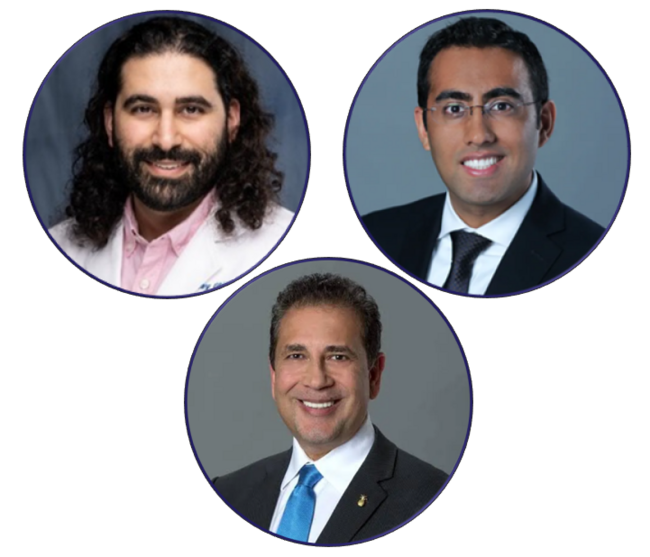
Robert Fenstermaker, MD, Roswell Park Comprehensive Cancer Center, Buffalo, New York, and MimiVax Inc., discusses survival findings from the phase 2b SURVIVE trial evaluating the SurVaxM cancer vaccine in patients with newly diagnosed glioblastoma, highlighting the survival benefit observed in patients aged 65 years and younger.
Dr Fenstermaker reviews the long-term survival differences between patients receiving SurVaxM and placebo, including the potential role of immunosenescence in explaining age-related differences in treatment response. He also discusses the importance of randomized control arms rather than historical comparisons, the potential for delayed survival benefits with cancer vaccines, and plans to engage with the FDA regarding potential regulatory pathways and future confirmatory studies.
Transcript:
My name is Robert Fenstermaker, I'm the chair emeritus of neurosurgery at Roswell Park Cancer Institute and the chief medical officer for MimiVax Inc.
We can say very clearly there's a strong and meaningful survival benefit for patients who are 65 years of age and younger. In fact, that crossover point is a little bit closer to 68 years of age. I think also that the jury is still out on the older patients, and that may require additional study in the future– it leans towards significance but doesn't quite meet that traditional benchmark of P = .05.
The finding is not too surprising that patients under 65 years of age had a clear benefit, whereas the older ones did not. That probably speaks to the fact that this is a cancer vaccine and there is a condition called immunosenescence that occurs with aging. We know from flu vaccine and other types of vaccines used for infectious diseases that sometimes the older patients don't respond as well. For flu vaccine, there are increased doses and we may have to look at something like that in the future for the older patients.
I think too, that because we did have patients in the placebo arm that survived longer than in some other earlier studies, we were probably a little underpowered for patients over 65. We did see that on average the median survival for patients in the placebo arm was 20 months, and that's higher than has been observed in many other studies in the past.
One thing this points out is the need for randomized clinical trials that have a control arm because you have to control in glioblastoma for patients extended resection and other treatments they may receive and other factors. It really speaks to not using historical controls.
We underestimated what would happen in the placebo arm, perhaps because patients just simply participating in a clinical trial can improve survival it's though by some. The institutions that patients were treated at had excellent care and there may have been improvements in general medical care and overall treatment over time so that those historical comparisons were not accurate in this case.
One of the most interesting things we saw in the patients 65 years of age and under that at the 3 year mark, patients who received the vaccine had a 42% survival, whereas in the placebo arm was 18%– that's a more than doubling of survival at 3 years.
We've also observed in our previous phase 2a trial, which was a single-arm trial, that there are a number of survivors out to 8 to 9 years at this point. This really speaks to the potential for immunotherapy in general and perhaps even cancer vaccine therapy that it may not show its benefit early in the course of disease, but as time goes by, you get more long-term survivors and we have to sort of incorporate that into future studies in terms of our expectations about how long it may take to see a benefit.
We do intend to work closely with the FDA to bring this to patients as soon as possible. We're hopeful that at a minimum for the patients 65 and under we could be on an accelerated approval pathway. However, that's going to be up to the FDA. And there may be a confirmatory study that is required, that's often the case. Hopefully that will help us to flesh out what is really going on with the patients over 65 and look at ways that we could possibly enhance the improvement there. But the next step is really to interact with FDA and see where we stand.
Source:
Roswell Park. MimiVax and Roswell Park announce results from phase 2b SURVIVE trial of SurVaxM in newly diagnosed glioblastoma. Accessed on: October 30, 2026. https://www.roswellpark.org/newsroom/202610-mimivax-roswell-park-announce-results-phase-2b-survive-trial-survaxm-newly