Practical, Safety-Driven Management of
CP-B HCC
CP-B HCC
This discussion explores the complexities of treatment decision-making for patients with hepatocellular carcinoma (HCC) and Child-Pugh B liver dysfunction. Drs Pierre Gholam and Ghassan Abou-Alfa discuss the importance of evaluating the whole patient—including liver function, comorbidities, performance status, and disease characteristics—when assessing potential treatment approaches. The conversation also highlights the value of multidisciplinary collaboration in navigating the clinical challenges and uncertainties commonly encountered in this patient population.
Speakers: Pierre Gholam, MD; Ghassan Abou-Alfa, MD
To explore how liver function, alongside tumor burden, influences prognosis, treatment considerations, and outcomes in HCC, see Video 1.
To examine the challenges of applying available clinical evidence to patients with Child-Pugh B HCC, including emerging data and key treatment considerations, see Video 2.
Transcript
Dr Gholam: Hello, my name is Dr Pierre Gholam. I am a professor of medicine at Case Western Reserve University School of Medicine, and I lead our multidisciplinary hepatobiliary tumor team at UH Seidman Cancer Center. The topic at hand today is HCC in the setting of liver dysfunction, and more specifically in the Child-Pugh B setting. I'll remind this audience that the Child-Pugh B classification uses commonly obtained lab values, specifically bilirubin, albumin, and PT-INR, as well as two subjectively graded conditions, ascites and hepatic encephalopathy, to get a score that reflects liver dysfunction. Child-Pugh B7 typically are patients who have an intermediate stage of dysfunction, although this can be quite variable. It is critically important to understand that delivery dysfunction affects very dramatically the availability and tolerability of systemic therapy. This has been shown in a number of studies, including settings where managing ascites, controlling cognitive impairment or encephalopathy, and monitoring decompensation over time really play a key role in enabling the patient to stay on therapy. There's also pretty good evidence that supports that in patients who have events that lead to decompensation, such as fluid overload or cognitive impairment, enabling the patient through early intervention and therapy to recompensate, to actually manage these symptoms and control them, probably not only impacts their ability to receive treatment, but may actually allow them to live better and longer. So all of these are really key elements that make the availability of hepatology care in this setting very important. And we have some real-world evidence in the immune checkpoint inhibitor era that support that these patients can be treated. I'm going to hand it over to Dr Ghassan Abou-Alfa, who I think will take us through his perspective on the management of these patients with Child-Pugh B.
Dr Abou-Alfa: Well, thanks so much, Dr Gholam. And hello, everybody. This is Ghassan Abou-Alfa from a Memorial Sloan Kettering Cancer Center in New York. Wow, what a delight to really continue the work about liver cancer, but of course, to bring the very important awakening key elements, which is how is liver doing? And as we heard from Dr Gholam, the Child-Pugh scoring is a good reference point for us. I claim to you, and I'm sure Dr Gholam will agree, this is not necessarily the perfect or the best of the elements to really assess liver functionality in the setting of liver cancer. But guess what? This is what we agreed to 20 years ago, and all studies have been done that way that we are stuck with. An important point for my colleague in oncology, that yes, we are going to depend a lot and we're going to ask for the help of our colleague in hepatology, but yes, we have to wear a little bit the hat of hepatology, at least to some extent, to orient ourselves to what's going on. As Dr Gholam just mentioned, the Child-Pugh scoring is five parameters, and they are a little bit sequential. If anything, albumin will go down, bilirubin will go up, then ascites will develop, then you have the encephalopathy, and then the PT-INR. And why is this important? Because it's going to be an important element in regard to how we think about treatment of the patient cautiously and make sure that we treat them correctly. Because, interestingly, the Child-Pugh A is more of a long, long, long line from where I am here in New York, all around the world, come back to where I am, that's still a flat line. And that's a great opportunity to provide therapy. But then, yes, we're a little bit always confused about this kind of like curving that occurs, especially at the Child-Pugh B7, B8. What shall we do? Are we thinking about them more like A, or shall we think about them more like a B9 and the shoot of C? No doubt that really we are getting more comfortable to those therapies. And this brings me to the second point, which is in regard to how would you really apply the therapy? No doubt that now we have data that has showed beyond any question that adding on the primary therapy for liver cancer, which is the checkpoint inhibitors, and we have some data that have been presented, would suggest to us that, yes, we can use the immune therapy or checkpoint inhibitors in the setting of Child-Pugh B. Please, please, we urge everybody to look very carefully and thoughtfully in regard to the whole grosser model of the picture of the patients. In the B7 setting, definitely functionality is key, performance status, in other words, and at the same time, the extent of disease. When it comes to B8, B9, a little bit more, kind of a little bit more carefully attended to, and no doubt that we have to dissect further Child-Pugh scoring to permit if we can really treat with therapy or not. At B9, you are kind of like more into the danger zone, and maybe it's time to start about hospice care and comfort care, because sadly, the liver functionality, not that we would like to, but sadly, whenever in the car, the liver functionality starts driving and the car sitting in the backseat, it's not a good story because unfortunately it can drive to worse and worse and does not improve. While the cancer, of course, we know how to treat. So please, please always pay attention to your patients. Make sure that they remain in the Child-Pugh A as much as you can. Avoid all the triggers or the injuries to the liver that you can think of. And of course, educate your patient about it. Provide the therapy without any concern that they got. When you come to the B7, B8, at least visit the story and look at the whole detail of the picture. But don't be shy of giving the potential use of checkpoints, as we are proving it as an example with the Durvalumab plus Tremelimumab. However, when we have more advanced liver dysfunctionality. Thanks to Dr Gholam and his colleagues, we probably need their help to make sure that patients are more comfortable and treated with dignity. Thanks for listening.
Dr Gholam: Yeah, I think these are all very important points. We are ultimately partners in care and multidisciplinary collaboration is key here. I think it's important to understand that the hepatology involvement in the care of the patient with HCC ideally should not be episodic. It should be a continuous process from the beginning to the end and that way patients may be enabled to stay on therapy longer. I think it's critically important, as Dr Abou-Alfa mentioned, that the medical oncologists familiarize themselves with signs and symptoms of dysfunction and objective measurements that we use to assess it.
Dr Abou-Alfa: Absolutely. I will second that, and I say it's teamwork, for sure. Thanks again.
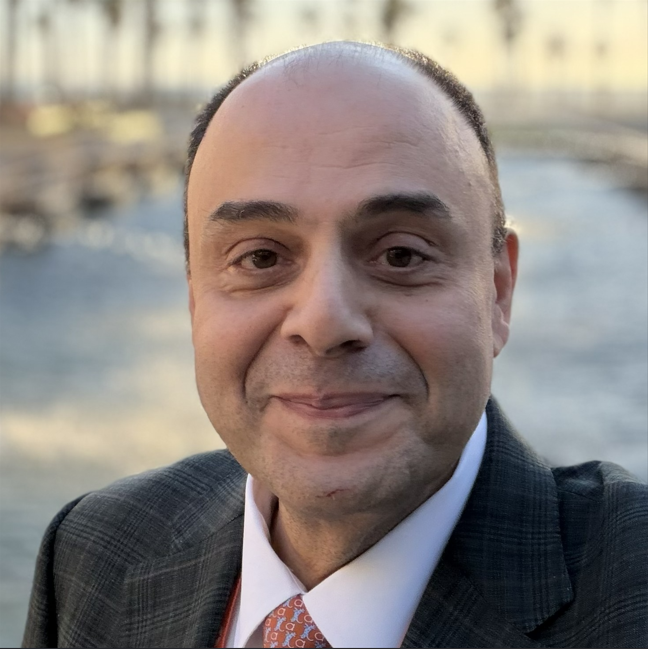
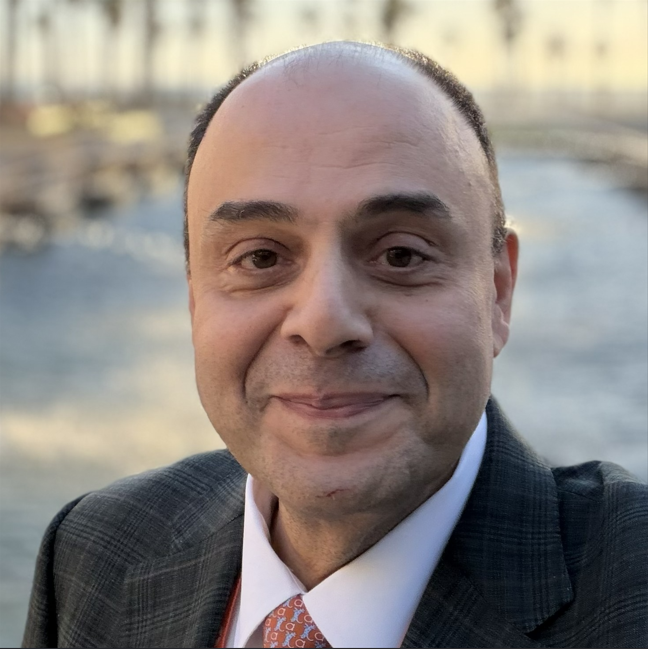 Pierre Gholam, MD, is a professor of medicine at Case Western Reserve University School of Medicine and a distinguished attending physician at University Hospitals Cleveland Medical Center. He directs the National Cancer Institute (NCI)-designated Case Comprehensive Cancer Center multidisciplinary hepatobiliary tumor team, where cases of benign and malignant liver lesions including HCC and cholangiocarcinoma are discussed in a collaborative manner and consensus recommendations for a plan of care or referral to appropriate clinical trials are made.
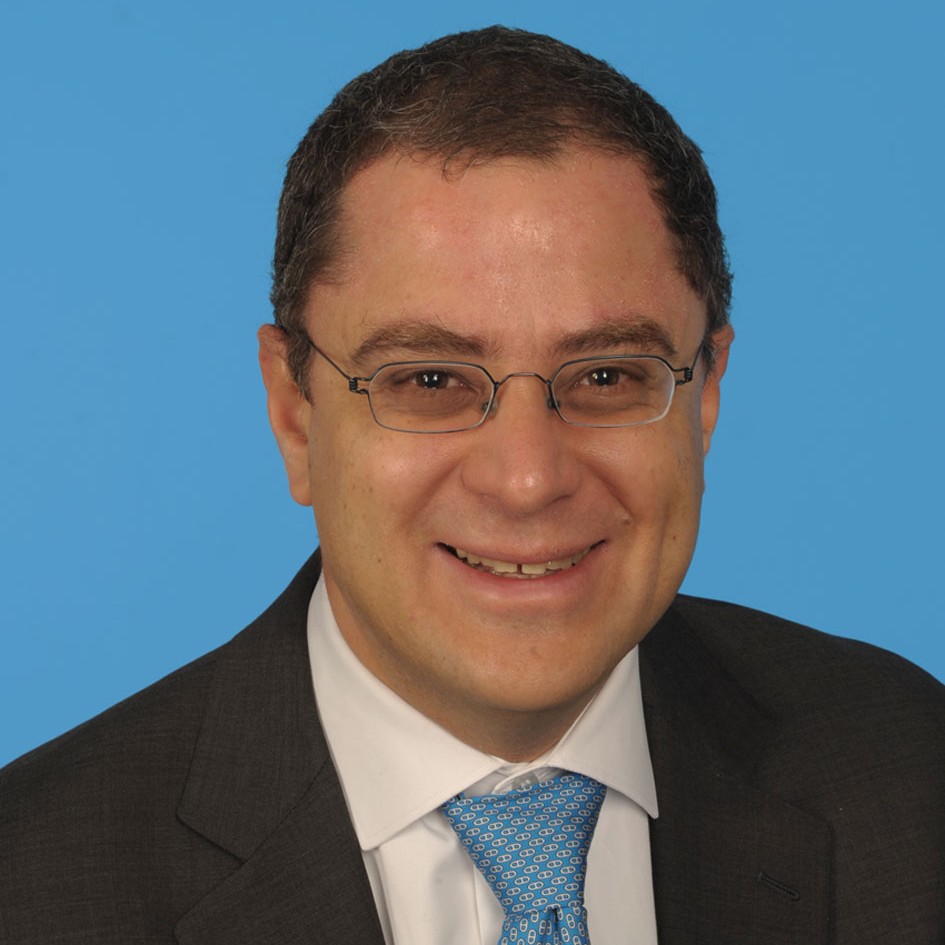
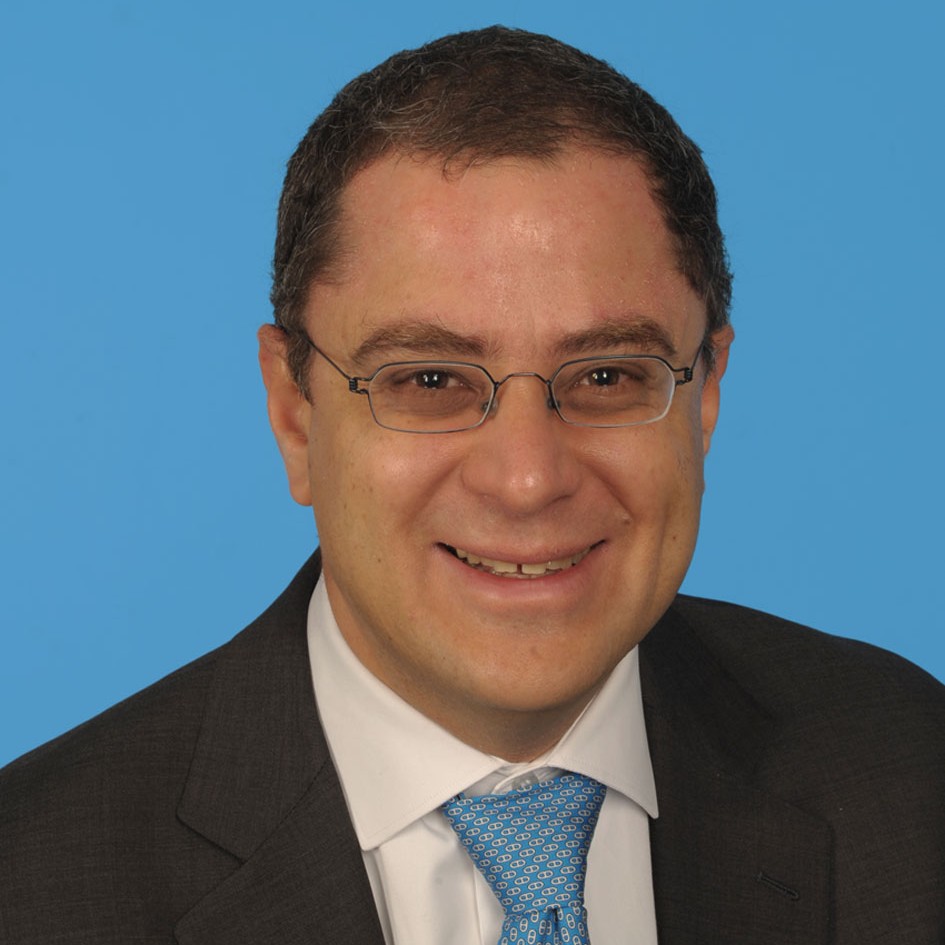 Ghassan Abou-Alfa, MD, is an attending physician at Memorial Sloan Kettering Cancer Center (MSK), professor of medicine at Weill Medical School at Cornell University, and adjunct professor of medicine and medical diplomacy at Trinity College Dublin in Dublin, Ireland. He specializes in the treatment of gastrointestinal malignancies and in particular, hepatocellular carcinoma (HCC), intrahepatic and extrahepatic cholangiocarcinoma (IHC), gallbladder cancer (GB), and fibrolamellar carcinoma (FLC). Dr Abou-Alfa is the immediate previous chair of the National Cancer Institute (NCI) Hepatobiliary Task Force and currently serves at the NCI AIDS Malignancy Consortium (AMC) as vice-chair for the Solid Tumor Working Group while also serving on its steering committee.
Dr Abou-Alfa’s research focuses on incorporating small biological molecules and checkpoint inhibitors into standard cancer therapies. In recent years, his group at MSK led the first efforts evaluating sorafenib in HCC, which was ultimately approved by the FDA for that indication in 2007. Dr Abou-Alfa also led his group at MSK on the efforts evaluating cabozantinib, which was approved by the FDA for HCC indication in 2019.
© 2026 HMP Global. All Rights Reserved.
Any views and opinions expressed are those of the author(s) and/or participants and do not necessarily reflect the views, policy, or position of Oncology Learning Network or HMP Global, their employees, and affiliates.
Related Content