Altering the Course of Polycythemia Vera
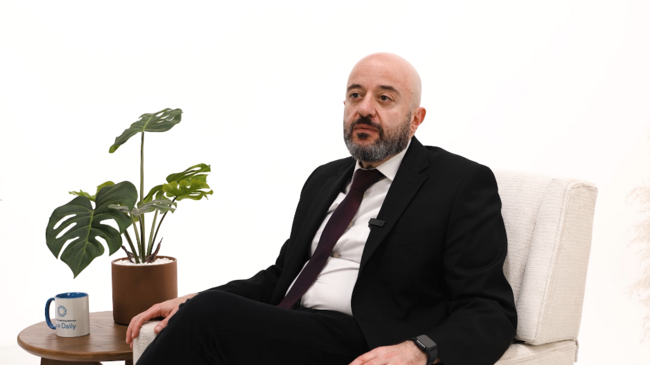
Dr Thomas LeBlanc examines long-term clinical trial data evaluating durable hematologic control and disease outcomes in patients with polycythemia vera.
Transcript
Hello, and welcome.
I'm Tom LeBlanc, a myeloid malignancy specialist from North Carolina who specializes in the treatment of patients with myeloid diseases like polycythemia vera.
Polycythemia vera (or PV) is a chronic myeloproliferative neoplasm characterized by an overproduction of red blood cells. Mutations in the Janus tyrosine kinase 2 (or JAK2), particularly in JAK2 V617F, are found in nearly all cases of PV and lead to procoagulant changes, elevating the risk for thrombosis.
While a primary goal of PV treatment is hematocrit control and reducing thrombotic risk, management decisions for PV also need to support sustained control over time, limiting the need for ongoing interventions, long-term tolerability, and the potential for influencing the course of the disease.
In this video, we will review BESREMi as a treatment option for PV and its potential to alter the course of PV through durable hematologic control and longer-term outcomes.
Historically, the main management strategies for PV have consisted of phlebotomy, low-dose aspirin, and cytoreductive therapy.
Cytoreductive therapy is indicated for high-risk PV and symptomatic low-risk PV patients. The traditional first-line choice for cytoreductive therapy has been hydroxyurea, a chemotherapy agent that suppresses the production of blood cells in the bone marrow. More recently, evidence has supported the use of interferon alfa (IFN𝛼) over hydroxyurea for comprehensive disease control, making it a potentially preferred treatment option to use early in the course of PV management.
Indication
BESREMi is indicated for the treatment of adults with polycythemia vera.
Boxed Warning
WARNING: RISK OF SERIOUS DISORDERS
Interferon alfa products may cause or aggravate fatal or life-threatening neuropsychiatric, autoimmune, ischemic, and infectious disorders. Patients should be monitored closely with periodic clinical and laboratory evaluations. Therapy should be withdrawn in patients with persistently severe or worsening signs or symptoms of these conditions. In many, but not all cases, these disorders resolve after stopping therapy.
Ropeginterferon alfa-2b (or BESREMi) is a single-site mono-pegylated interferon and a preferred first-line cytoreductive therapy option for the treatment of both low-risk symptomatic and high-risk PV in the NCCN Clinical Practice Guidelines in Oncology for Myeloproliferative Neoplasms.
The PEGINVERA study, a pivotal trial for BESREMi’s US Food and Drug Administration approval, was a prospective, single-arm trial evaluating the dosing, tolerability, and efficacy of BESREMi over 7.5 years in 51 adult patients with PV.
In the PEGINVERA study, complete hematologic response (or CHR) was defined as hematocrit below 45%, no phlebotomy in the last 2 months, platelets at or below 400 x 109/L, and leukocytes at or below 10 x 109/L, was achieved in 80% of patients treated with BESREMi, with a median duration of response being 20.8 months.
Additionally, 61% of patients reached comprehensive disease control, which included normal spleen size and absence of thromboembolic events, in addition to the CHR criteria, with a median duration of 14.3 months.
The results of PEGINVERA showed that patients with PV achieved significant hematologic responses and effective disease control with BESREMi over 7.5 years, demonstrating its potential for sustainable control of PV.
Safety data from PEGINVERA indicated that 95% of adverse reactions were grade 1 or 2, with influenza-like illness being the most common. Notably, there were no observed cases of acute myeloid leukemia and 1 observed case of myelofibrosis among the 51 patients treated.
The most common serious adverse reactions, occurring at a rate of 4% or more, were urinary tract infection, transient ischemic attack, and depression.
Adverse reactions requiring permanent discontinuation in greater than 2% of patients who received BESREMi included depression, arthralgia, fatigue, and general physical health deterioration.
The most common treatment-emergent adverse events reported in the PEGINVERA study over 7.5 years included influenza-like illness, arthralgia, fatigue, and pruritus.
In the PROUD-PV study, which was the initial 12-month, phase 3, open-label, randomized trial that preceded the CONTINUATION-PV study, the efficacy and safety of BESREMi were evaluated against hydroxyurea in 254 adult patients with PV.
At 12 months, 21% of patients who received BESREMi achieved a complete hematologic response with normal spleen size, compared to 28% of those treated with hydroxyurea. The primary endpoint of non-inferiority was not achieved.
Building on the PROUD-PV study, CONTINUATION-PV assessed the long-term efficacy and safety of BESREMi for 6 years. At the end of 12 months of PROUD-PV, 171 of the patients who completed PROUD-PV moved on to the CONTINUATION-PV study.
In CONTINUATION-PV, 72.6% of BESREMi-treated patients had achieved complete hematologic response at 72 months, and 81.4% required no phlebotomies to maintain hematocrit below 45%.
Of note, response to BESREMi increased gradually up to 12 to 24 months and was sustained through 36 months.
Durable hematologic control is an important treatment goal in PV. In the CONTINUATION-PV trial, 71% of patients receiving BESREMi achieved complete hematological response by month 36 compared to 51% of patients in the control group. Disease control may reduce the risk of progression to myelofibrosis or secondary leukemia, thereby improving patient outcomes long-term.
In addition, in a post-hoc analysis, BESREMi demonstrated improvement in the probability of event-free survival versus standard treatment, with risk events including thromboembolic events, disease progression, or death, in a post-hoc analysis. Median event-free survival was not reached, and the analysis was not prespecified.
The limitations of CONTINUATION-PV included that it was initially designed as a single-arm extension of PROUD-PV. The second arm with hydroxyurea or best available treatment was subsequently added for comparison, resulting in a study entry gap of approximately 21 weeks.
In the PROUD-PV and CONTINUATION-PV trials, the proportion of patients with serious adverse events, grade 3 or higher adverse events, and major thromboembolic adverse events was similar between the 2 treatment groups.
Eight percent of BESREMi-treated patients discontinued treatment due to drug-related toxicity compared to 4% of patients in the hydroxyurea group.
The most common adverse events reported in more than 10% of patients treated with BESREMi included hematologic side effects, liver function abnormalities, fatigue, headache, arthralgia, and dizziness.
Treatment-related serious adverse events occurred in 2% of the patients in the BESREMi group and 4% of the patients in the hydroxyurea group. The most frequently reported grade 3 and grade 4 treatment-related adverse events were increased gamma-glutamyltransferase and increased alanine aminotransferase in the BESREMi group, and leukopenia and thrombocytopenia in the hydroxyurea group.
When pooled together across 178 patients from PEGINVERA and from PROUD-PV and CONTINUATION-PV, the most common adverse events occurring at a rate of greater than 10% were liver enzyme elevations, leukopenia, thrombocytopenia, arthralgia, fatigue, myalgia, and influenza-like illness.
As reviewed today, long-term outcomes of BESREMi have demonstrated sustained complete hematologic response over 7.5 years and a manageable safety profile, supporting its use as a treatment option that can potentially alter the course of PV.
INDICATION
BESREMi is indicated for the treatment of adults with polycythemia vera.
IMPORTANT SAFETY INFORMATION
WARNING: RISK OF SERIOUS DISORDERS
Interferon alfa products may cause or aggravate fatal or life-threatening neuropsychiatric, autoimmune, ischemic, and infectious disorders. Patients should be monitored closely with periodic clinical and laboratory evaluations. Therapy should be withdrawn in patients with persistently severe or worsening signs or symptoms of these conditions. In many, but not all cases, these disorders resolve after stopping therapy.
CONTRAINDICATIONS
-
Existence of or history of severe depression, suicidal ideation, or suicide attempt
-
Hypersensitivity to interferons or any inactive ingredients
-
Moderate or severe hepatic impairment
-
History or presence of active serious or untreated autoimmune disease
-
History of transplantation and receiving immunosuppressant agents
WARNINGS AND PRECAUTIONS
-
Depression and Suicide: Closely monitor patients for any symptoms of psychiatric disorders and, if needed, consider psychiatric consultation and treatment or dosage modifications as listed in the full prescribing information.
-
Endocrine Toxicity: Do not use BESREMi in patients with active serious or untreated endocrine disorders associated with autoimmune disease. Evaluate thyroid function in patients who develop symptoms suggestive of thyroid disease during BESREMi therapy. Discontinue BESREMi in patients who develop endocrine disorders that cannot be adequately managed during treatment with BESREMi.
-
Cardiovascular Toxicity: Patients with a history of cardiovascular disorders should be closely monitored for cardiovascular toxicity during BESREMi therapy. Avoid use of BESREMi in patients with severe or unstable cardiovascular disease or recent stroke or myocardial infarction.
-
Decreased Peripheral Blood Counts: Monitor complete blood counts at baseline, during titration, and every 3-6 months during the maintenance phase.
-
Pancreatitis/Colitis/Pulmonary Toxicity: Interrupt BESREMi treatment in patients with possible pancreatitis, colitis, or pulmonary toxicity and evaluate promptly. Consider discontinuation of BESREMi in patients with confirmed pancreatitis or who show signs or symptoms of serious ulcerative or hemorrhagic colitis, or who develop pulmonary infiltrates or pulmonary function impairment.
-
Ophthalmologic Toxicity: Advise patients to have eye examinations before and during treatment. Discontinue BESREMi in patients who develop new or worsening eye disorders.
-
Hyperlipidemia/Hepatotoxicity/Renal Toxicity: Monitor serum triglycerides, liver enzymes, hepatic function, and serum creatinine at baseline and during therapy. Avoid use of BESREMi in patients with eGFR <30 mL/min. Discontinue BESREMi in patients with persistently marked elevated triglycerides, evidence of hepatic decompensation, or if renal impairment develops during treatment.
-
Dental and Periodontal Toxicity: Patients should have good oral hygiene and regular dental examinations.
-
Dermatologic Toxicity: Consider discontinuation of BESREMi if clinically significant dermatologic toxicity occurs.
-
Driving and Operating Machinery: BESREMi may impact the ability to drive and use machinery. Patients should not drive or use heavy machinery until they know how BESREMi affects their abilities. Patients who experience dizziness, somnolence, or hallucination during BESREMi therapy should avoid driving or using machinery.
-
Embryo-Fetal Toxicity: Based on the mechanism of action, BESREMi can cause fetal harm when administered to a pregnant woman. Obtain a pregnancy test in females of reproductive potential prior to initiating treatment with BESREMi. Advise females of reproductive potential to use an effective method of contraception during treatment with BESREMi and for at least 8 weeks after the final dose. Advise women not to breastfeed during treatment and for 8 weeks after the final dose.
ADVERSE REACTIONS
The most common adverse reactions reported in >40% of patients were influenza-like illness, arthralgia, fatigue, pruritus, nasopharyngitis, and musculoskeletal pain.
DRUG INTERACTIONS
Patients on BESREMi who are receiving concomitant drugs which are CYP450 substrates with a narrow therapeutic index should be monitored to inform the need for dosage modification. Avoid use with myelosuppressive agents, narcotics, hypnotics, or sedatives, and monitor patients receiving the combination for effects of excessive CNS toxicity.
To report SUSPECTED ADVERSE REACTIONS, contact PharmaEssentia at 1-800-999-2449 or FDA at 1-800-FDA-1088 or www.fda.gov/medwatch
Please see full Prescribing Information, including Boxed Warning at besremihcp.com.
© 2026 PharmaEssentia Corporation. All rights reserved.
BESREMi, the BESREMi logo, and PharmaEssentia are registered trademarks of PharmaEssentia Corporation.
US-BSRM-2600128 (v1.0) 08/2026

Dr Thomas LeBlanc is an associate professor of medicine at Duke University School of Medicine and chief patient experience and safety officer at the Duke Cancer Institute. Additionally, he serves as the founding director of the Cancer Patient Experience Research Program and director of outcomes research for the Division of Hematologic Malignancies and Cellular Therapy. Dr LeBlanc is a hematologic malignancies specialist and palliative care physician. He has led numerous clinical and patient-centered research initiatives and lectured nationally and internationally. Dr LeBlanc has also authored or co-authored more than 250 peer-reviewed publications and several textbook chapters in oncology and palliative medicine. He is a fellow of the American Academy of Hospice and Palliative Medicine and the American Society of Clinical Oncology (ASCO), and he served as Education Program Chair for the 2024 ASCO Annual Meeting.