“Low-Risk” Is Not No-Risk in Polycythemia Vera
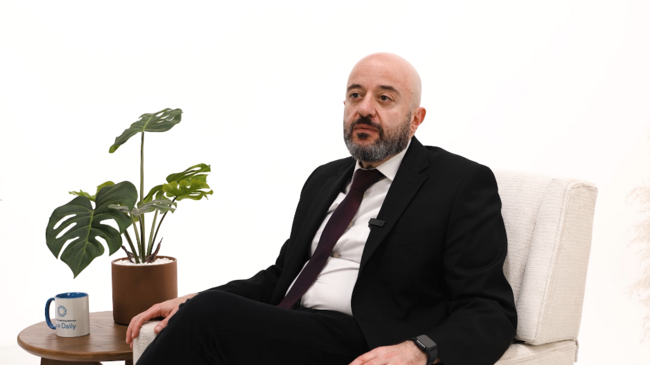
Dr Rami Komrokji reviews the ongoing disease burden that can persist in patients with low-risk polycythemia vera and considerations for identifying patients who may benefit from cytoreductive therapy.
Transcript
Hello, and welcome.
I'm Rami Komrokji, Vice Chair of Malignant Hematology Department at Moffitt Cancer Center and a myeloproliferative neoplasm expert.
In polycythemia vera, patients are classified into low-risk and high-risk groups to estimate thrombotic risk and guide the need for cytoreductive therapy. Patients with high-risk PV are generally defined as those 60 years of age and older, and/or those with a history of thrombosis, while low-risk PV patients are defined as those less than 60 years of age with no history of thrombosis.
This framework remains clinically useful, particularly for estimating thrombotic risk; however, it does not fully capture overall disease burden.
In this video, we will review what “low risk” means in PV and how it relates to overall disease burden.
Even in conventionally low-risk PV, vascular risk may remain elevated relative to accepted thresholds for primary cardiovascular prevention. Some patients continue to have symptoms despite hematocrit control with phlebotomy, potentially requiring treatment beyond aspirin and phlebotomy alone.
To help identify patients with low-risk PV whose disease may not be controlled sufficiently, a more detailed low-risk framework has been developed, including a definition for symptomatic low-risk PV.
While current risk factors for low-risk PV patients only include age (<60) and no previous thrombosis, proposed and emerging risk factor criteria includes hypertension, a history of smoking, leukocytosis, platelet count, red cell distribution width, and lymphocyte percentage.
These distinctions help separate thrombotic risk category from overall disease burden. A patient may be considered low risk based on age and thrombosis history, while still having symptoms, count abnormalities, or treatment burdens that point to clinically meaningful disease activity.
Historically, the management of PV has relied on 3 main approaches – phlebotomy, low-dose aspirin, and cytoreductive therapy.
Low-dose aspirin alone or with phlebotomy is recommended for low-risk PV patients. However, cytoreductive therapy should be considered in symptomatic low-risk patients.
First-line cytoreductive therapy options for PV include hydroxyurea, peginterferon alfa-2a, and ropeginterferon alfa-2b.
The NCCN Clinical Practice Guidelines in Oncology (NCCN Guidelines®) for Myeloproliferative Neoplasms recommends ropeginterferon alfa-2b (BESREMi) as a preferred first-line cytoreductive therapy option for the treatment of both low-risk symptomatic and high-risk PV.
Symptomatic low-risk patients may experience a myriad of symptoms, including thrombosis or disease-related major bleeding, splenomegaly, progressive thrombocytosis, leukocytosis, or other disease-related symptoms. When this occurs, ropeginterferon alfa-2b (BESREMi) is a recommended cytoreductive option.
Indication
BESREMi is indicated for the treatment of adults with polycythemia vera.
Boxed Warning
WARNING: RISK OF SERIOUS DISORDERS
Interferon alfa products may cause or aggravate fatal or life-threatening neuropsychiatric, autoimmune, ischemic, and infectious disorders. Patients should be monitored closely with periodic clinical and laboratory evaluations. Therapy should be withdrawn in patients with persistently severe or worsening signs or symptoms of these conditions. In many, but not all cases, these disorders resolve after stopping therapy.
Ropeginterferon alfa-2b (BESREMi) is a single-site mono-pegylated interferon and a preferred first-line cytoreductive therapy option for the treatment of both low-risk symptomatic and high-risk PV in the NCCN Guidelines®.
Let’s review PEGINVERA, BESREMi’s pivotal trial.
PEGINVERA was a multicenter, single-arm trial that assessed BESREMi dosing, tolerability, and efficacy in both low- and high-risk patients with PV over a 7-and-a-half-year period.
In this 51-patient study, BESREMi demonstrated an 80% complete hematologic response rate. Complete hematologic response was defined as no phlebotomy in the previous 2 months, hematocrit below 45%, leukocyte count at or below 10 x 10⁹/L, and platelet count at or below 400 x 10⁹/L.
Additionally, 61% of patients achieved comprehensive disease control, defined as no phlebotomy in the previous 2 months, hematocrit below 45%, leukocyte count at or below 10 x 10⁹/L, platelet count at or below 400 x 10⁹/L, normal spleen size, and absence of thromboembolic events.
Safety findings from PEGINVERA showed that 95% of adverse reactions were Grade 1 and 2. The most commonly reported adverse reactions were influenza-like illness, arthralgia, fatigue, and pruritus.
These data support the role of BESREMi as a first-line cytoreductive treatment option for a broad range of patients with PV.
With that context, let’s move to the Low-PV study, which was designed specifically to evaluate low-risk patients.
The Low-PV study helps illustrate how this broader view of disease control can be applied in practice. Low-PV was a phase 2, open-label, randomized trial that evaluated the efficacy and safety of BESREMi in 127 low-risk adult patients with PV.
The study had a duration of 12 months, at which point, patients could continue to an extension phase of up to 24 months. A crossover was allowed if the primary endpoint was not met at the end of the core 12-month period.
At 12 months, 81% of patients treated with BESREMi plus phlebotomy and aspirin achieved the primary endpoint of composite treatment response, consisting of hematocrit control and absence of disease progression, compared with 51% in the phlebotomy and aspirin group.
When hematocrit control was assessed alone, the results were similar. Eighty-one percent of the BESREMi-treated patients maintained hematocrit control compared to 59% in the phlebotomy and aspirin-only group.
In terms of disease progression, none of the patients who received BESREMi experienced disease progression, compared to 13% of the patients in the phlebotomy and aspirin-only group showing disease progression. Of note, the patients without disease progression had an absence of progressive symptomatic thrombocytosis, progressive leukocytosis, and any vascular or major bleeding complication.
Lastly, there was a 21% reduction in the number of phlebotomies needed during the 24-month period in patients who received BESREMi plus phlebotomy and aspirin.
These results highlight the clinical relevance of assessing disease burden beyond risk classification. For patients undergoing frequent phlebotomies, reducing phlebotomy burden may help decrease the practical demands associated with ongoing disease management. Additionally, improvements in leukocyte and platelet counts could improve overall disease management, signaling a need to look beyond just hematocrit levels.
In terms of safety and tolerability, grade 3 and grade 4 adverse events were reported in 9% of patients treated with BESREMi plus phlebotomy and aspirin. Eight percent of patients receiving BESREMi plus phlebotomy and aspirin discontinued treatment due to hypertransaminasemia, neutropenia, persistent itching, nausea or asthenia, metrorrhagia, and hyperthyroidism.
For clinicians, the key point is that low-risk PV does not necessarily mean low disease burden. Some patients continue to have symptoms, frequent phlebotomy requirements, or progressive hematologic abnormalities despite being classified as low risk. In these patients, earlier cytoreductive therapy is appropriate. Current guidelines include BESREMi as a first-line option for appropriate symptomatic low-risk patients, supporting a more individualized approach to care.
INDICATION
BESREMi is indicated for the treatment of adults with polycythemia vera.
IMPORTANT SAFETY INFORMATION
WARNING: RISK OF SERIOUS DISORDERS
Interferon alfa products may cause or aggravate fatal or life-threatening neuropsychiatric, autoimmune, ischemic, and infectious disorders. Patients should be monitored closely with periodic clinical and laboratory evaluations. Therapy should be withdrawn in patients with persistently severe or worsening signs or symptoms of these conditions. In many, but not all cases, these disorders resolve after stopping therapy.
CONTRAINDICATIONS
-
Existence of or history of severe depression, suicidal ideation, or suicide attempt
-
Hypersensitivity to interferons or any inactive ingredients
-
Moderate or severe hepatic impairment
-
History or presence of active serious or untreated autoimmune disease
-
History of transplantation and receiving immunosuppressant agents
WARNINGS AND PRECAUTIONS
-
Depression and Suicide: Closely monitor patients for any symptoms of psychiatric disorders and, if needed, consider psychiatric consultation and treatment or dosage modifications as listed in the full prescribing information.
-
Endocrine Toxicity: Do not use BESREMi in patients with active serious or untreated endocrine disorders associated with autoimmune disease. Evaluate thyroid function in patients who develop symptoms suggestive of thyroid disease during BESREMi therapy. Discontinue BESREMi in patients who develop endocrine disorders that cannot be adequately managed during treatment with BESREMi.
-
Cardiovascular Toxicity: Patients with a history of cardiovascular disorders should be closely monitored for cardiovascular toxicity during BESREMi therapy. Avoid use of BESREMi in patients with severe or unstable cardiovascular disease or recent stroke or myocardial infarction.
-
Decreased Peripheral Blood Counts: Monitor complete blood counts at baseline, during titration, and every 3-6 months during the maintenance phase.
-
Pancreatitis/Colitis/Pulmonary Toxicity: Interrupt BESREMi treatment in patients with possible pancreatitis, colitis, or pulmonary toxicity and evaluate promptly. Consider discontinuation of BESREMi in patients with confirmed pancreatitis or who show signs or symptoms of serious ulcerative or hemorrhagic colitis, or who develop pulmonary infiltrates or pulmonary function impairment.
-
Ophthalmologic Toxicity: Advise patients to have eye examinations before and during treatment. Discontinue BESREMi in patients who develop new or worsening eye disorders.
-
Hyperlipidemia/Hepatotoxicity/Renal Toxicity: Monitor serum triglycerides, liver enzymes, hepatic function, and serum creatinine at baseline and during therapy. Avoid use of BESREMi in patients with eGFR <30 mL/min. Discontinue BESREMi in patients with persistently marked elevated triglycerides, evidence of hepatic decompensation, or if renal impairment develops during treatment.
-
Dental and Periodontal Toxicity: Patients should have good oral hygiene and regular dental examinations.
-
Dermatologic Toxicity: Consider discontinuation of BESREMi if clinically significant dermatologic toxicity occurs.
-
Driving and Operating Machinery: BESREMi may impact the ability to drive and use machinery. Patients should not drive or use heavy machinery until they know how BESREMi affects their abilities. Patients who experience dizziness, somnolence, or hallucination during BESREMi therapy should avoid driving or using machinery.
-
Embryo-Fetal Toxicity: Based on the mechanism of action, BESREMi can cause fetal harm when administered to a pregnant woman. Obtain a pregnancy test in females of reproductive potential prior to initiating treatment with BESREMi. Advise females of reproductive potential to use an effective method of contraception during treatment with BESREMi and for at least 8 weeks after the final dose. Advise women not to breastfeed during treatment and for 8 weeks after the final dose.
ADVERSE REACTIONS
The most common adverse reactions reported in >40% of patients were influenza-like illness, arthralgia, fatigue, pruritus, nasopharyngitis, and musculoskeletal pain.
DRUG INTERACTIONS
Patients on BESREMi who are receiving concomitant drugs which are CYP450 substrates with a narrow therapeutic index should be monitored to inform the need for dosage modification. Avoid use with myelosuppressive agents, narcotics, hypnotics, or sedatives, and monitor patients receiving the combination for effects of excessive CNS toxicity.
To report SUSPECTED ADVERSE REACTIONS, contact PharmaEssentia at 1-800-999-2449 or FDA at 1-800-FDA-1088 or www.fda.gov/medwatch
Please see full Prescribing Information, including Boxed Warning at besremihcp.com.
© 2026 PharmaEssentia Corporation. All rights reserved.
BESREMi, the BESREMi logo, and PharmaEssentia are registered trademarks of PharmaEssentia Corporation.
US-BSRM-2600128 (v1.0) 08/2026

Dr Rami Komrokji is the vice chair of the Malignant Hematology Department and a senior member of the Malignant Hematology and Experimental Therapeutics Program at the Moffitt Cancer Center. He also serves as a professor of medicine and oncologic sciences at the University of South Florida College of Medicine. Dr Komrokji is an expert in myeloid neoplasms and has led several clinical trials and lectured worldwide. In addition to serving as a peer reviewer for several medical journals, he has authored or co-authored more than 420 peer-reviewed manuscripts, 20 book chapters, and 1000 abstracts in hematologic malignancies. Dr Komrokji is a member of the National Heart, Lung, and Blood Institute Myelodysplastic Syndrome (MDS) Natural History Study Steering Committee, the Aplastic Anemia & MDS Foundation medical board, and the Society of Hematologic Oncology steering committee and MDS committee.