ASP-1929 Photoimmunotherapy Demonstrates Clinical Benefit in Recurrent Head and Neck Squamous Cell Carcinoma
Clinical Summary:
- Design/Population: A global phase 3 randomized trial evaluated ASP-1929 photoimmunotherapy in heavily pretreated patients with locoregionally recurrent head and neck squamous cell carcinoma.
- Key Outcomes: ASP-1929 did not improve overall survival or progression-free survival compared with standard of care, but showed numerical improvements in response, locoregional disease control, performance status, and quality-of-life measures. Adverse events were mainly local and were generally manageable.
- Clinical Relevance: ASP-1929 photoimmunotherapy may offer a local disease-control and quality-of-life benefit for patients with recurrent head and neck squamous cell carcinoma, supporting further study, including combinations with immunotherapy.
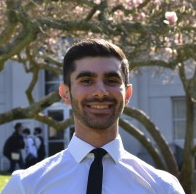
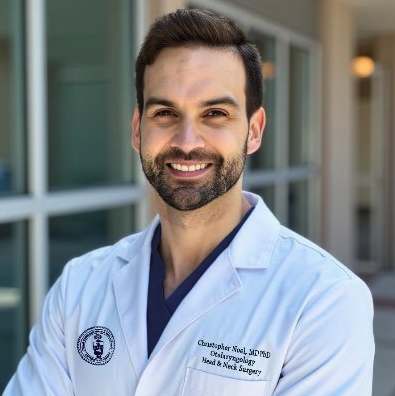
Anastasios Maniakas, MD, PhD, discusses results from a global phase 3 trial evaluating ASP-1929 photoimmunotherapy in heavily pretreated patients with locally recurrent head and neck squamous cell carcinoma.
While overall survival (OS) and progression-free survival (PFS) were similar to standard of care, photoimmunotherapy demonstrated encouraging improvements in response rates, performance status, and multiple quality-of-life measures. The treatment was generally manageable from a safety standpoint, supporting continued investigation of photoimmunotherapy, including ongoing studies combining it with immunotherapy.
Dr Maniakas presented these results in a plenary session at the 2026 American Society of Clinical Oncology (ASCO) Annual Meeting in Chicago, Illinois.
Transcript:
My name's Anastasios Manakas, I'm a head and neck surgeon at MD Anderson. I'm an assistant professor and my specialty is primarily in head and neck cancers as well as advanced thyroid cancers.
It's my pleasure to be able to discuss this phase 3 global trial on ASP-1929, which is primarily for patients with a double recurrence of head and neck squamous cell carcinoma. These are patients that are heavily treated, these are patients that have gone through significant treatment and unfortunately have failed. Head and neck squamous cell carcinoma, oral cavity, oral pharynx, larynx hypopharynx is one of the most common types of cancers that we have in the head and neck field. Unfortunately, 80% of the patients will have advanced disease and of these, several will have a local regional recurrence. This is going to be one of the main reasons for mortality.
We have identified this technology ASP-1929, which is a very interesting photoimmunotherapy trial where we give an infusion, an IV infusion of cetuximab with a special dye on it. Then we activate this dye with an illumination. This illumination happens either intralesionally or locally through frontal illumination. The idea was to do this phase 3 randomized global study. We had 5 different countries in several different centers where we were able to identify patients up to 135 that were randomized either to standard of care or to treatment. The treatment itself consisted, as I said, of the infusion following day was the illumination following which we then evaluated the patients for response. Patients could have up to 8 cycles of this treatment. The majority had anywhere between 3 to 4 and responses were measured with RECIST. Outcomes for this study were primarily looking at overall survival, progression-free survival, as well as quality of life. For outcome survival in terms of overall survival and progression-free survival, we saw that patients had no difference really between standard of care. However, when it came to quality of life and overall response in terms of overall response rates, we saw that actually this was a numerical improvement in the patients treated with photoimmunotherapy compared to standard of care.
Adverse events were primarily seen locoregionally for patients treated with photoimmunotherapy. This was either due to pain, mucositis, dysphasia, but after that, the majority of these were well controlled with localized treatment. In terms of adverse events overall, we actually had patients in the standard of care that ended up having slightly higher discomfort. The grade 3 events or higher were slightly more common in the photoimmunotherapy trial arm, however very few led to any sort of dose discontinuation. Dose discontinuation was more commonly seen in the standard of care approach. Regarding the AEs seen in the photoimmunotherapy arm, most of these were very well tolerated in the end just with medical management.
Regarding quality of life in terms of ECOG performance status, we actually had an improvement of almost 20% in patients in the photoimmunotherapy trial or none actually had any change in the performance status in the standard of care. Overall, quality of life using different questionnaires showed an overall trend and improvement in various different facets with photoimmunotherapy demonstrating that this is a tool that not only can help control the disease, but also help with their quality of life overall.
Overall, photoimmunotherapy is a very exciting type of treatment option that we're using and seeing. We've had a very nice response in these kinds of patients when it comes to local regional control. We're exciting outcomes in a future study, which is going to be a phase three randomized global study looking at photo immunotherapy along with immunotherapy. And we're very excited to present this data to you now as well as future data with our upcoming studies.
Source:
Maniakas A, Cognetti D, Tahara M, et al.A phase 3, randomized, double-arm, open-label, controlled study of ASP-1929 photoimmunotherapy (PIT) versus physician’s choice standard of care (SOC) for patients with locoregional, recurrent head and neck squamous cell carcinoma (HNSCC). Presented at the ASCO Annual Meeting. May 29 - June 2, 2026. Chicago, Illinois. 6080.