Ten-Year Tisagenlecleucel Outcomes Highlight Lasting Remissions in Relapsed or Refractory B-Cell Lymphoma
Clinical Summary:
- Design/Population: Long-term follow-up of patients with relapsed or refractory diffuse large B-cell lymphoma or follicular lymphoma treated with a single infusion of the CD19-directed CAR T-cell therapy tisagenlecleucel.
- Key Outcomes: A substantial proportion of patients remained lymphoma-free 10 years after treatment, demonstrating durable remissions following a single CAR T-cell infusion. Long-term responses were associated with CAR T-cell persistence, and late safety findings highlighted the importance of monitoring for infections and secondary malignancies.
- Clinical Relevance: These data provide evidence supporting the long-term curative potential of CD19-directed CAR T-cell therapy while emphasizing the need for continued survivorship monitoring and development of next-generation cellular therapies.
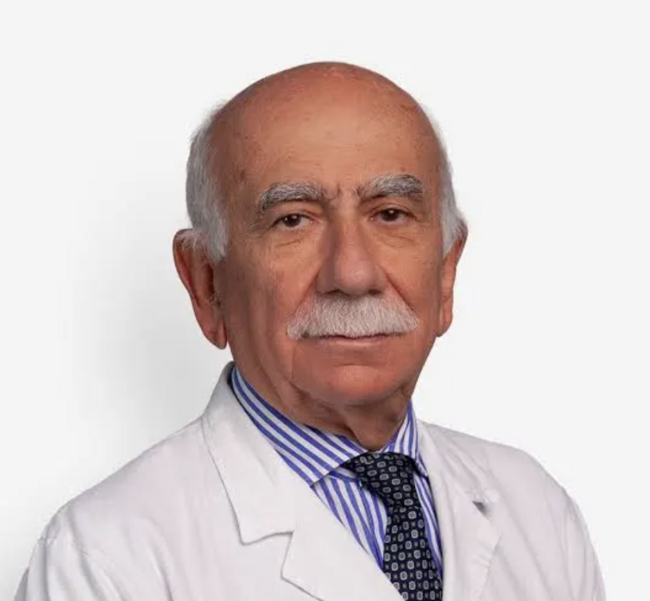
Marco Ruella, MD, Abramson Cancer Center, University of Pennsylvania, Philadelphia, Pennsylvania, discusses 10-year follow-up of patients with relapsed or refractory diffuse large B-cell lymphoma and follicular lymphoma treated with tisagenlecleucel, highlighting the long-term durability of CD19-directed CAR T-cell therapy.
The analysis demonstrates that durable remissions can extend beyond a decade after a single CAR T-cell infusion and suggests that long-term CAR T-cell persistence may contribute to sustained disease control. Dr Ruella also discusses how these findings inform future efforts to move CAR T-cell therapy into earlier treatment settings while improving safety, manufacturing, and long-term outcomes.
Transcript:
Hi, my name is Marco Ruella, I am a physician at the University of Pennsylvania. I'm also the scientific director of the lymphoma program there and I'm very excited to talk to you about our recent paper that was published in the New England Journal of Medicine.
This paper looks at the long-term follow-up of 38 patients with diffuse large B-cell lymphoma and follicular lymphoma who were treated with CAR-19, in particular, a 4-1BB costimulated CAR-19. At the time, we called it CTN-019– now it's called tisagenlecleucel.
We looked at these 38 patients who were treated over 10 years ago, and we looked at the outcomes 10 years later. What was pretty remarkable is that the lymphoma-free survival for follicular lymphoma was about 50% and for diffuse large B-cell lymphoma was about 30%.
So, what does that mean– it means that 1 single infusion of engineered CAR T-cell can lead to very long remissions, and I would argue potentially cures, in a significant number of patients with diffuse large B-cell lymphoma or follicular lymphoma.
Over 10 years of follow-up, some of the patients died for other causes, not for lymphoma. And we look at the various causes of death. What we saw is that some of the deaths were due to causes of death that would occur also in the normal age-match control population but other causes of death were secondary malignancies in a number of patients and unfortunately, some of the patients died during the COVID pandemic.
Overall, I would say that the study highlights that 1 single infusion of CAR T-cell can lead to prolonged remission at very long term (10 years). We think that this is correlated with persistence of the CAR T-cell at least at 2 years, we see that patients with persistence at 2 years have a higher likelihood of being in remission at long term.
At the same time, I think [this] warrants very close follow up of these patients who can have infection, can have secondary malignancies. While they are in remission of their disease, they can still have complications related to the previous treatment and the CAR treatment.
Thinking ahead, this study clearly shows that the potency of CAR T-cells goes beyond 10 years– these are really live drugs that can cause remission at 10 years.
Now the question obviously is, what are the effects of this therapy when we use them earlier during the treatment of the patients. Keep in mind that for this study the patients that were treated were patients with relapsed/refractory disease after multiple lines of therapy. Now we're using CAR T-cells in second-line so, we hope that these patients would have even better results in 10 years. At the same time, potentially they will have less toxicities because they would be exposed to a lower amount of previous therapy.
At the same need to think about how we can make CAR T-cells safer. For example, we have been very interested in developing CAR T-cells that can specifically target the malignant B-cell and sparing the healthy B-cell. This was published in Science Transitional Medicine earlier this year, and that would spare potentially B-cell aplasia.
Another important question, can we shorten the manufacturing– can we use in vivo CAR T-cell potentially, but certainly, I think this study really sets the bar for future CAR products in terms of long-term efficacy.
Source:
Ruella M, Paruzzo L, Chong ER, et al. Ten-year outcomes after CAR T-cell therapy for B-cell lymphomas. N Engl J Med. Published online: June 24, 2026. doi: 10.1056/NEJMoa2518035