Acalabrutinib Plus Bendamustine and Rituximab Extends PFS and Delays Subsequent Therapy in Treatment-Naïve Patients With Mantle Cell Lymphoma
Clinical Summary:
- Design/Population: The phase 3 ECHO trial compared acalabrutinib plus bendamustine and rituximab with placebo plus bendamustine and rituximab in patients aged 65 years or older with treatment-naïve mantle cell lymphoma. Responders received rituximab maintenance, while acalabrutinib or placebo continued until disease progression or unacceptable toxicity.
- Key Outcomes: With longer follow-up, acalabrutinib plus bendamustine and rituximab prolonged progression-free survival and delayed initiation of third-line therapy or death, while overall survival remained immature.
- Clinical Relevance: The sustained progression-free survival benefit and longer time to subsequent therapy reinforce the value of incorporating acalabrutinib into first-line BR rather than reserving BTK inhibition for later treatment in older patients with MCL, with no significant additional toxicity emerging during extended follow-up.
Updated results from the phase 3 ECHO trial demonstrated that acalabrutinib plus bendamustine and rituximab maintained a significant progression-free survival (PFS) benefit compared with placebo plus bendamustine and rituximab in patients aged 65 years or older with treatment-naïve mantle cell lymphoma.
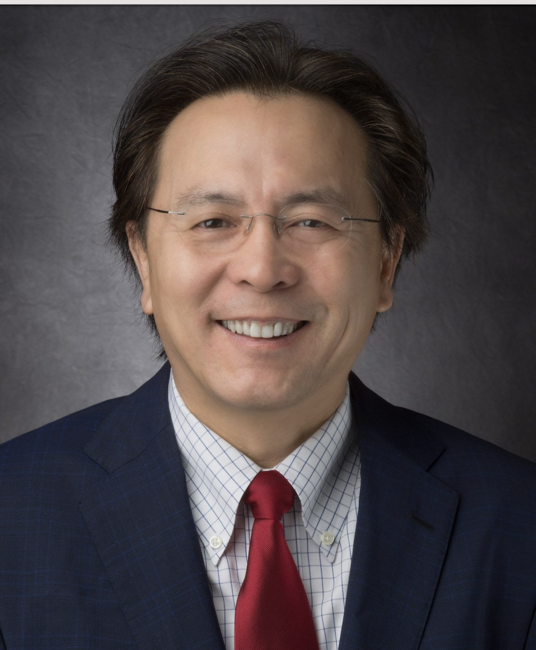
These results were presented by Michael Wang, MD, MD Anderson Cancer Center, Houston, Texas, at the at the Society of Hematologic Oncology (SOHO) Annual Meeting in Houston, Texas.
In this study, 598 patients were randomized 1:1 to receive 100 mg of twice daily acalabrutinib (n = 299) or placebo (n = 299) plus bendamustine and rituximab. Bendamustine and rituximab was administered for 6 cycles, followed by 2 years of rituximab maintenance. Acalabrutinib and placebo was started at study initiation and continued until disease progression or unacceptable toxicity. Patients assigned to the placebo group were permitted to crossover to acalabrutinib following disease progression.
The primary end point was PFS as assessed via independent review committee. A post hoc analysis also evaluated time to next treatment, defined as the time from randomization to initiation of a second subsequent, or third-line anti-lymphoma therapy following discontinuation of randomized treatment or death.
At a median follow-up of 60.8 months, median PFS was 72.5 months in the acalabrutinib arm and 47.8 months in the placebo arm, corresponding to a 32% reduction in the risk of disease progression or death (hazard ratio [HR], 0.68; 95% confidence interval [CI], 0.53 to 0.87; P = .002).
Median overall survival (OS) was not reached in either treatment arm. OS numerically favored acalabrutinib, although the confidence interval included the null (HR, 0.87; 95% CI, 0.67 to 1.13).
The updated analysis also suggested that incorporating acalabrutinib into first-line treatment delayed the need for later-line therapy. Median time to next treatment was not reached in the acalabrutinib arm and was 73.8 months in the placebo arm, corresponding to a 24% reduction in the risk of initiating third-line therapy or death.
The 2-year rate of remaining free from third-line treatment or death was 67.6% in the acalabrutinib arm and 59.2% in the placebo arm.
Subsequent anti-lymphoma therapy was administered to 11% of patients initially assigned to acalabrutinib and 33.4% of patients assigned to placebo. Among patients who received subsequent treatment, 106 received a Bruton tyrosine kinase inhibitor, including 15 in the acalabrutinib arm and 91 in the placebo arm. Seven patients received CAR T-cell therapy, and 3 patients, all in the placebo arm, received a T-cell engager.
With longer follow-up, adverse event rates remained largely unchanged from the primary analysis, and no significant additional toxicity was identified.
The updated ECHO findings demonstrate that the PFS advantage associated with first-line acalabrutinib plus bendamustine and rituximab persists with longer follow-up and may extend beyond initial disease control by delaying the need for later-line treatment.
Source:
Wang ML, Paludo J, de Holanda Farias JS, et al. Updated results from the phase 3 ECHO trial of bendamustine-rituximab with or without acalabrutinib in patients with previously untreated mantle cell lymphoma: 50 months of follow-up. Presented at the SOHO Annual Meeting; September 9-12, 2026; Houston, Texas. Abstract MCL-575.