How to Implement Subcutaneous Immunotherapy for Providers
The panel outlines how to operationalize subcutaneous immunotherapy in clinical practice, covering efficacy and safety review, insurance and workflow considerations, and strategies for educating patients and care teams during the transition.
Transcript
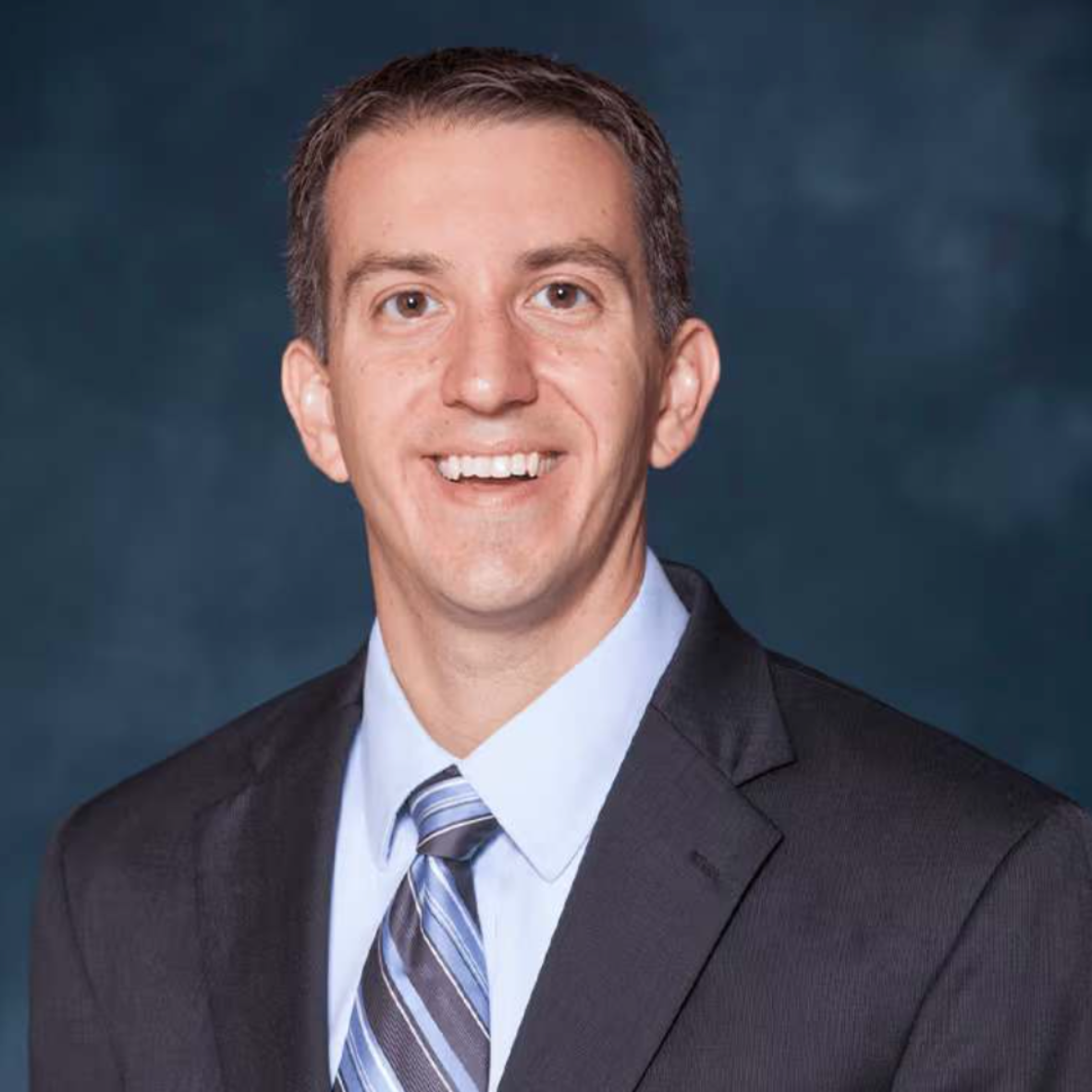
Jeff Yorio, MD: Hi, everybody. Thank you for joining us in our series of Subcutaneous Immunotherapy for Genitourinary Cancers. This is our last chapter that we're going to discuss today, which is how to implement subcutaneous immunotherapy for providers. My name's Dr Jeff Yorio. I'm a medical oncologist at Texas Oncology in Austin. I serve as the Central Texas site research leader for Texas Oncology and also am an executive member for the GU Cancer Research Team at Sarah Cannon Research Institute. I have with me a lot of great people. First up, I have Pablo.
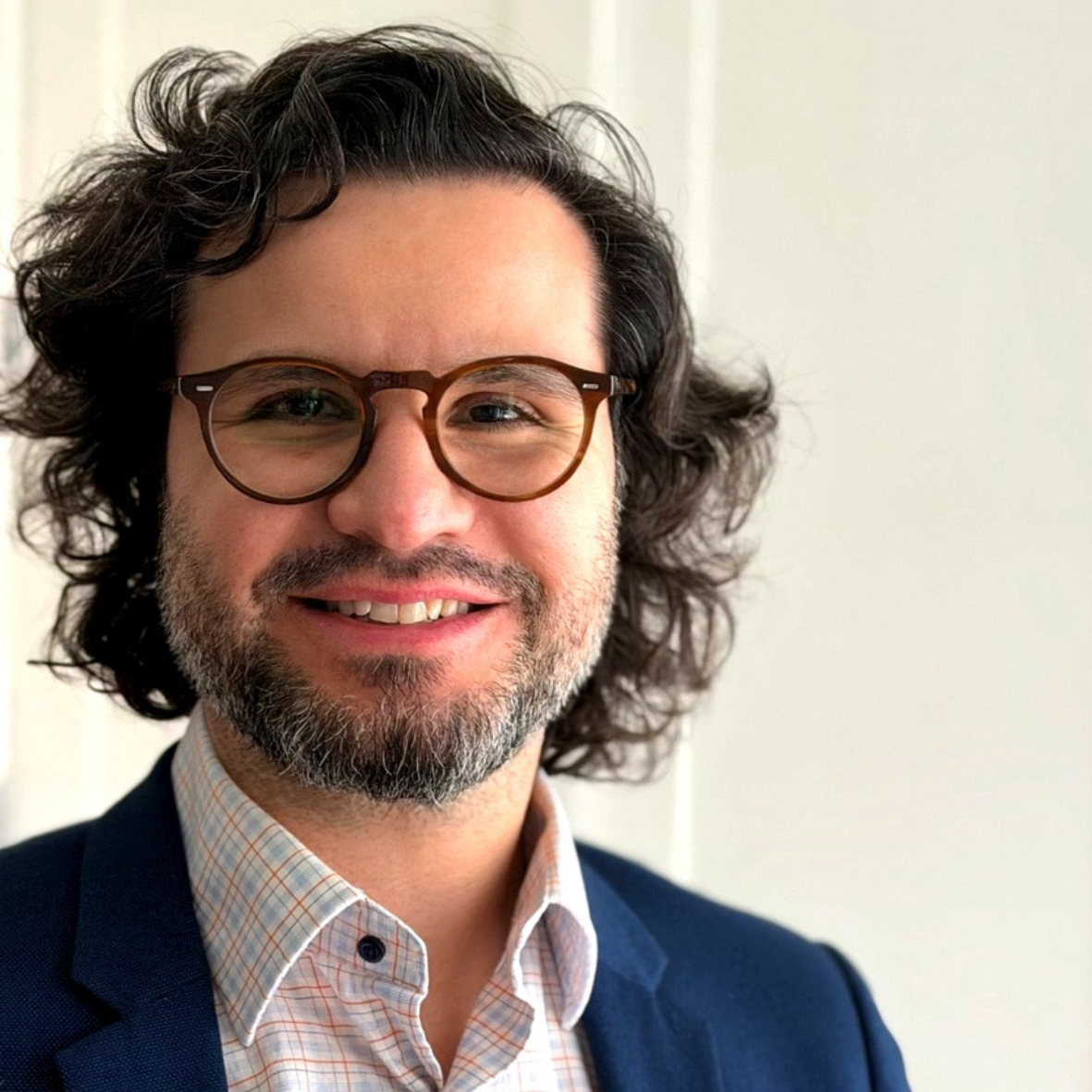
Pablo Saenz, PharmD: Hi, there. My name is Pablo Saenz. I'm a pharmacist and I'm a pharmacy manager at Texas Oncology Clinic in Austin.
Yorio: Great. Thanks Pablo. Next we have Meagan.
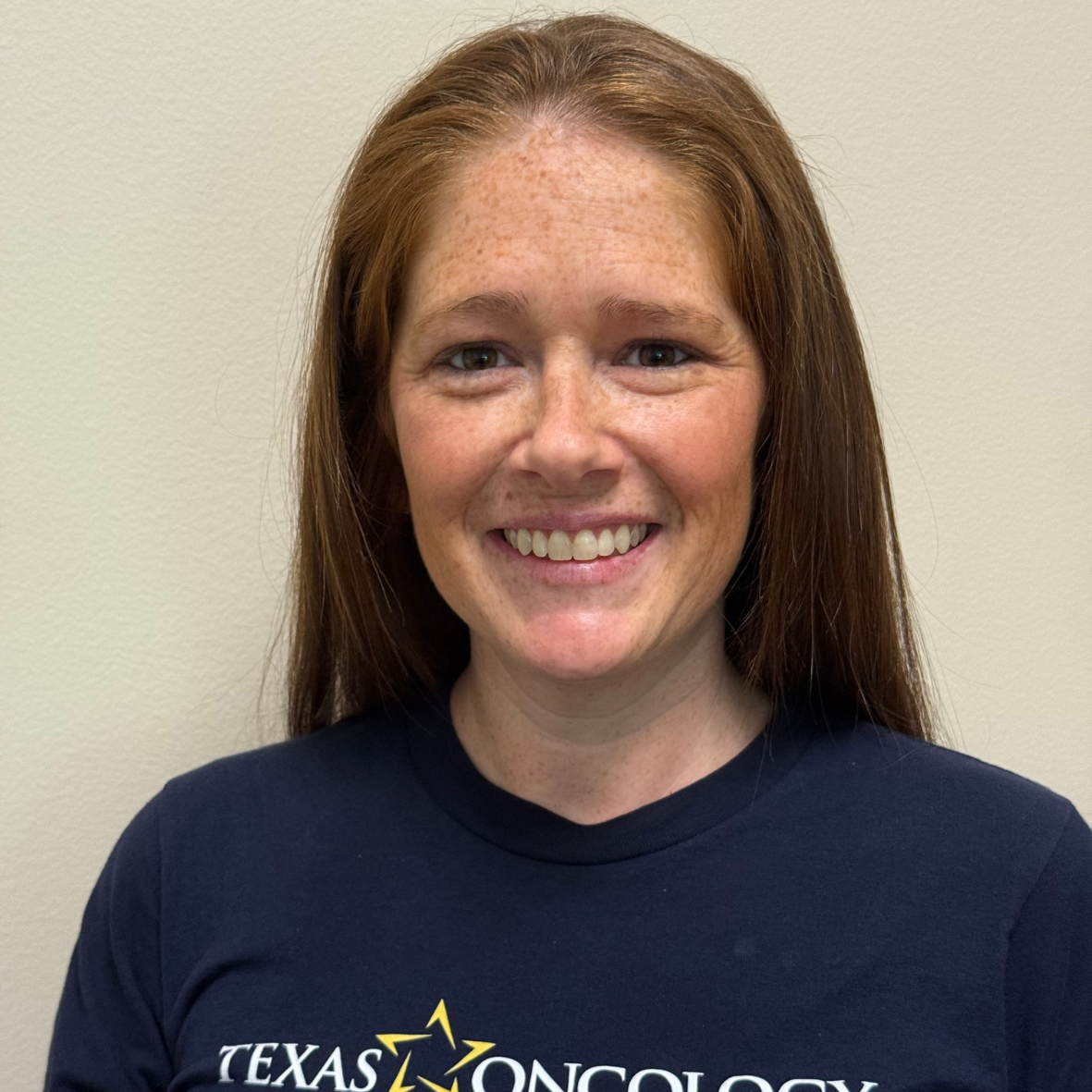
Meagan Farnie, BSN, RN: Hi, I'm Meagan Farnie, and I am an infusion nurse here at Texas Oncology in Austin and also serving as the supervisor over the infusion room.
Yorio: Last, we have Dean, who is gracious enough to join us today.
Dean Tuel: Hi. Dean Tuel. I'm a patient under Pablo, Meagan, and Dr Yorio.
Yorio: Thanks, Dean. So yeah, let's talk about how do we implement these subcutaneous immunotherapies for providers? As a doctor, as an oncologist, I think you get a little bit stuck in the rut at sometimes of how you do things and you get used to certain processes, and I think our clinics do. These immunotherapy drugs have come around and made such a big difference for our patients in the GU space as well as other cancers, but they're mostly IV formulations that we've been using over the past 10+ years. Recently, with this introduction of subcutaneous immunotherapy with subcutaneous nivolumab, subcutaneous pembrolizumab giving us options, how do we transition into using that maybe more and what are different barriers?
In our last chapter, we touched on one of the big advantages, less chair time, and by doing that, it's reducing bottlenecks in our infusion suites. We don't have to schedule people maybe as far out and we're able to perhaps treat more people during the day because of that. So, that's great. I think that's been a fantastic advantage of subcutaneous therapies. Let's start with Pablo. When this came about, how did you really start to shift our clinic into incorporating these treatments more? Was there a lot involved with trying to switch that process or I know we've had other subcutaneous options for other drugs in the past, so maybe it was not so bad.
Saenz: The first consideration with anything, as we've touched on before, is efficacy, reviewing that data to make sure that where appropriate, these switches can be made, and then the safety component, which is, "Are we looking at the same safety? Do we have to monitor different things? Are we evaluating that to make sure that when these do come on board, everyone involved in the care team is appropriately prepared if there are additional considerations?"
In this case, it's been very simple from that point of view. So, then comes the inevitable insurance component to make sure once that gets fleshed out. We want to make sure that we don't jump ahead too quickly because as with any novel therapy, we want to always be a step ahead and quick to adapt.
We also have to be cautious in these moments of making sure that we don't make this widespread when we can't even provide it to patients for a number of logistical reasons. In this case, that hasn't proven to be the case. I feel like, when onboarding, it's a combination of, yes, the data matches and then making sure education is spread through our clinic and our care team. Then operationally, just putting in a plan in place to make sure that we can make all those appropriate switches. Shouting out one particular thing would be to have a process in place to review all eligible patients and providing that to our physicians, which I think would be a great help to just give you a reference form for, "Hey, these patients could be ..." and then you can dig a little deeper on knowing the patient specifically if it makes sense for their particular case.
Yorio: Yeah, that's great. Meagan, from your perspective, what did you guys have to do to maybe start to adjust to this? Is there some change in you all's processes, nursing assignments, and those type of things to how you maybe deal with IV versus subcutaneous medicines like this?
Farnie: For infusion or from an infusion perspective, there wasn't a whole big shift being that we already had some subcutaneous injections that we give that are similar to this for other treatment plans. I will say that we were all very excited about it, as are some of our patients that heard about it. They were excited about it as well. A big part that I would say that affected us was staffing and then also knowing ahead of time, like scheduling that we talked about. The injection is much faster, 3 to 5 minutes versus a 30-minute infusion. So, being able to schedule patients in a different way allowed for us to have more time to spend with assessing symptom management and just spending time with our patients with patient education.
Having the staff available to be there with our patients to do those different types of conversations... it just allowed for more time in our infusion room, as it allows for more time for the patients and their families. I think a big part of the time that we got back, like I said, being able to spend with the patients, having conversations about education or symptom management, but then also being able to get other patients in where before we would have to maybe push some treatments out because we didn't have enough spots available or that kind of thing.
It really has allowed for our schedule to open up an infusion as well, not to mention patient flow and allowing for patients to come through and then exit in a timely manner. When you have very long treatments scheduled over here, and then you have a few little short ones all in between, it just allows for a better flow through the infusion room. So, there's a lot of benefits from an operational standpoint.
Yorio: Great. Dean, from a patient perspective, how do you think us as physicians and as nurses and pharmacists and everybody that's trying to provide care, how do you think we can communicate the differences between IV and subQ, and any suggestions you'd have for us?
Tuel: I guess to the degree that it's that advantageous, maybe advertise it. Just promote it. It was something I know that I had mentioned because I became aware of it through some friends. But then it was after talking with one of the nurses that the next time I met with you, Dr Yorio, that you said, "Hey, it looks like you're signed up," and I'm like, "Bring it on. Yeah, it seems like it's got a lot of benefits." So, I think from that perspective is something that if it helps with you all's processes and makes you all a better practice, then it's something that I would promote. Now, granted, I don't know what the financial impacts are.
One of the things that just came up that I think is also probably another benefit that I frankly don't see often enough, but when we're scheduling, I really didn't realize that by me only having to be there for that period of time, that also opened up the window for me to be able to be seen so long as it lines up with either doctor or your assistant's time schedule as well. So, that's another thing I would just say that probably promoting those things would be probably helpful.
Yorio: Yeah, that's great. Yeah, I think from just even scheduling challenges, anytime you have an infusion or a subcutaneous treatment that's shorter, it allows more flexibility. I know with my schedule and with everybody else's schedule, because when you've got somebody who's got an infusion that's for 8 hours, well, we've got to see them first thing in the morning, right? We got to get their treatment started at that time, whereas there's a lot more flexibility with something like this, where it can be towards the end of the day or first thing in the morning or throughout. So, that certainly gives a lot of flexibility.
Last thoughts: what do you think barriers might be to clinics adopting this more and starting to move to this? I think immunotherapy like pembrolizumab and nivolumab are some of the most used drugs in the oncology clinic these days. What do you think are barriers, and why haven't more clinics moved into adopting this?
Saenz: Yeah, and I think speaking from our personal experience of the very first onset or promotion of this new formulation was the insurance hurdles. We definitely had patients that were wanting to switch, but their insurance wouldn't cover that formulation yet. That component could be, at the very start, a kind of barrier, but once that gets all sorted, which it did, I think that has definitely leaned into help. I also think that changing or maybe just the education component of how certain drugs in the past, they shorten infusion time, but it's not a change in formulation, that brings a different complication than what we're talking about here.
So, making sure that those 2 things are not being conflated because this is a separate thing with a different... yeah, it brings different solutions. I think that's a main barrier there.
Farnie: I would like to add that just going back to just maybe a little bit of patient pushback because of a lack of understanding, and like we talked about, them not knowing or not understanding, I guess, that pembro subQ or nivolumab subQ versus the infusions are the same, just in a different format. When that's brought up, a lot of times the question is, "Well, then why haven't I been doing it all along?" or "Why do we still do IV if subQ is so much better?" There's a little bit of patient pushback initially until it's understood. Even Dean mentioned earlier that, once he got past that point, he was good to go. I think that's a little hurdle that we might experience or maybe why other clinics aren't going to it.
The other thing I want to mention is when a patient is getting another infusion on top of these subQ treatments, I've heard people say, "Why am I going to get stuck here and here? If I'm already getting an infusion, I'll just get it in an infusion and choose to stay with the IV administration versus the subQ," which makes sense.
Yorio: I think that's probably the one area where really, we've stayed more with IV when they're already getting IV infusions on top of it because it starts to take away some of the other advantages if you're just coming in for the subcutaneous treatment, right?
Farnie: Exactly.
Yorio: Well, great. Well, I want to close this out. I want to thank Pablo and Meagan and really thank Dean for giving up his time today to talk about this topic as we look at how to implement subcutaneous immunotherapy for providers in our bigger series of just looking at subcutaneous immunotherapy for GU cancers. Thank you guys so much for joining me today, and thank everybody for joining our conversation.
Farnie: Thanks for having us.
Saenz: Thank you.
© 2026 HMP Global. All Rights Reserved.
Any views and opinions expressed are those of the author(s) and/or participants and do not necessarily reflect the views, policy, or position of Oncology Learning Network or HMP Global, their employees, and affiliates.
Related Content