Standard Immunotherapy Options for Genitourinary Landscape and Unmet Needs for Patients
A medical oncologist, pharmacist, nurse, and patient review current immunotherapy options across the kidney and bladder cancer treatment landscape and discuss the unmet needs that remain for patients on long-term therapy.
Transcript
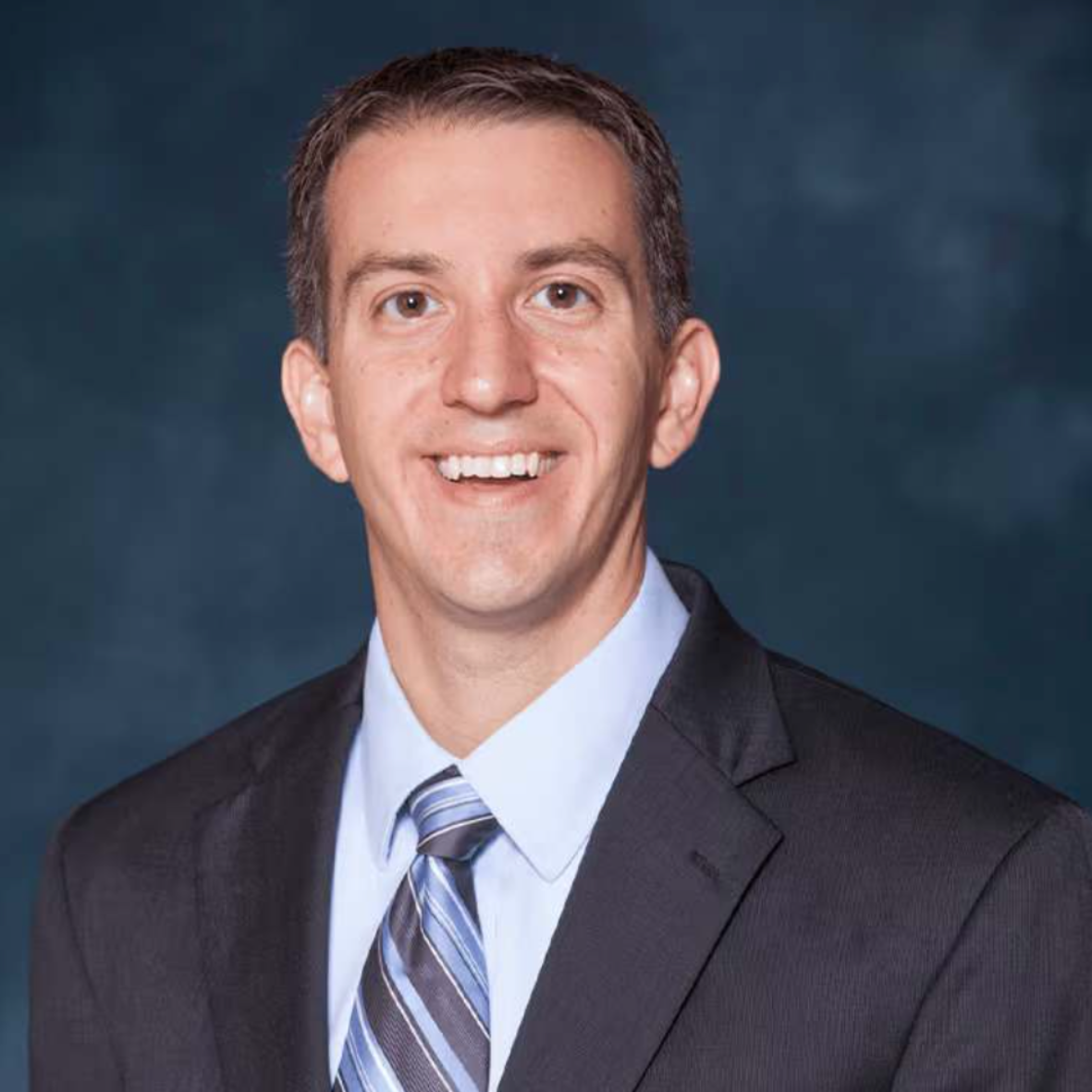
Jeff Yorio, MD: Hi everybody. Welcome to our series, which is subcutaneous immunotherapy for genitourinary cancers. We are going to break this down in a few different chapters, and our first chapter is going to be standard immunotherapy options for the genitourinary cancer landscape and then unmet needs for patients. My name is Dr Jeff Yorio. I'm a medical oncologist at Texas Oncology in Austin, and I am the Central Texas site research lead for Texas Oncology and Sarah Cannon Research Institute, as well as an executive member of the genitourinary research team at Sarah Cannon Research Institute. I have several colleagues, this great all-star cast that's joined us today. I'd like to go around and introduce everybody. First, I'm going to introduce Pablo.
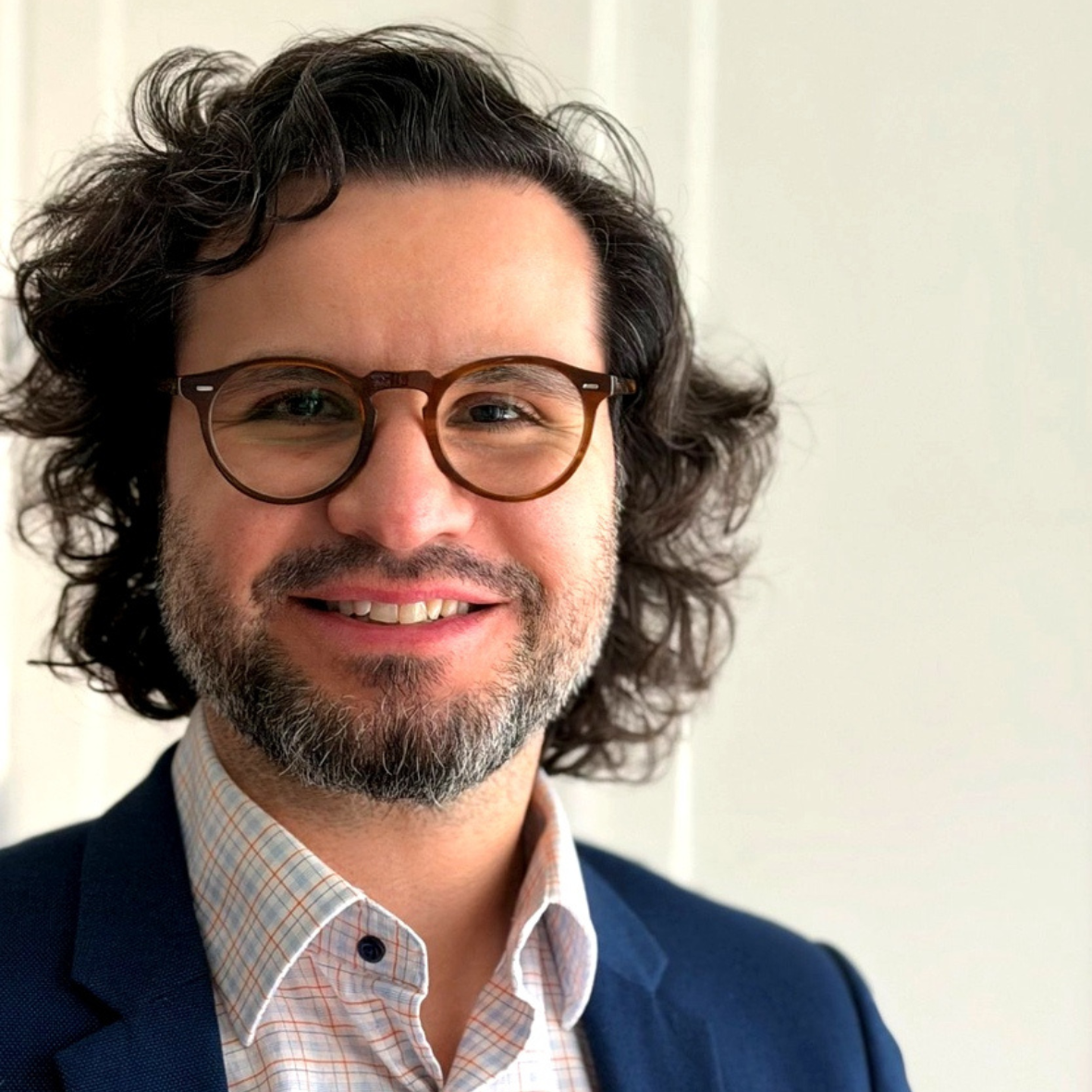
Pablo Saenz, PharmD: Yeah, thank you, Dr Yorio. My name is Pablo Saenz. I'm a pharmacist. I'm the pharmacy manager of an Austin Texas Oncology Clinic.
Yorio: Great. Thanks for joining us, Pablo. And then next we have Meagan.
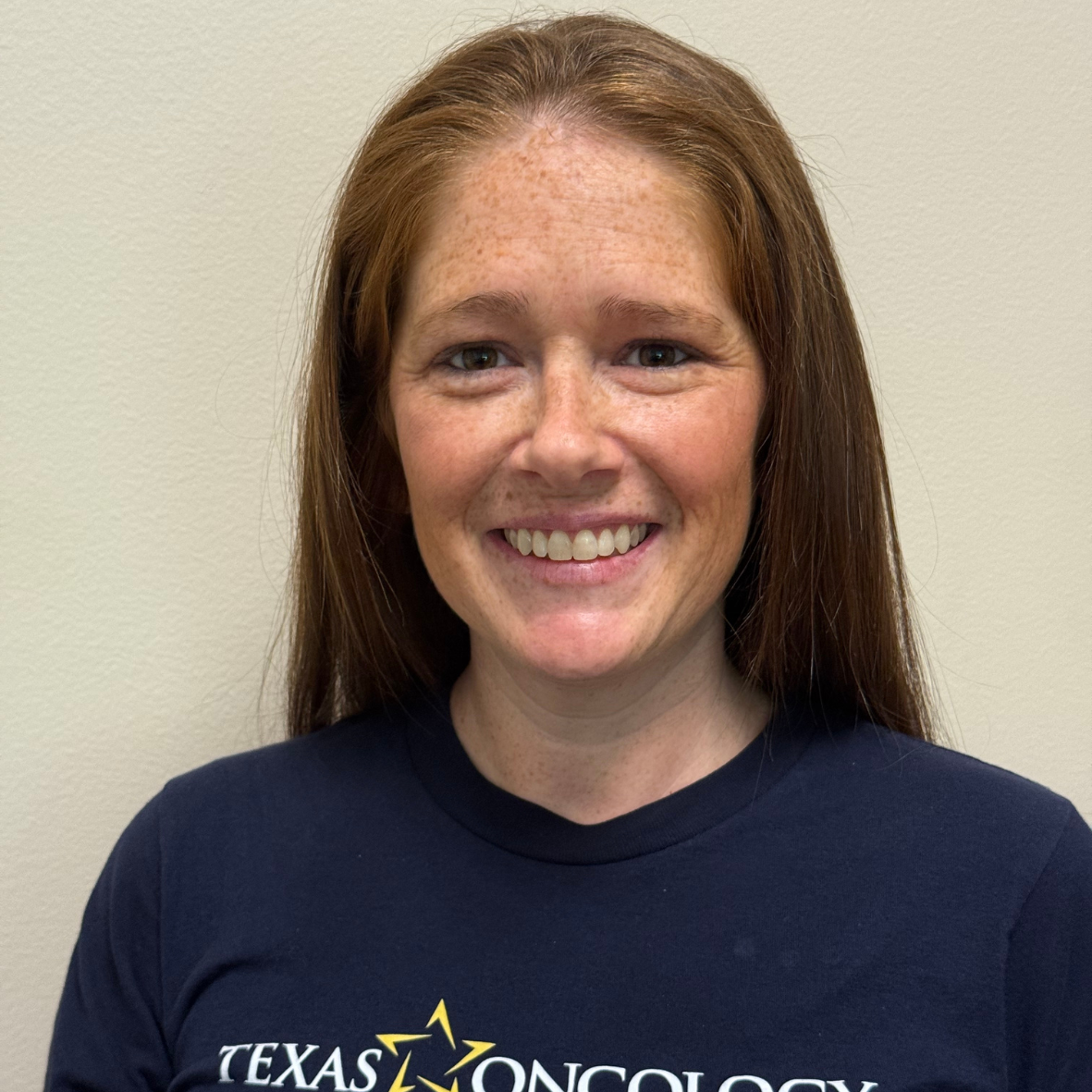
Meagan Farnie, BSN, RN: Hi, I'm Meagan Farnie, and I am a nurse here at Texas Oncology in Austin and the supervisor over the infusion room.
Yorio: Okay, great. And then next we have Dean.
Dean Tuel: Hi, I'm Dean Tuel. I'm also from Austin, Texas.
Yorio: Great. Well, thanks everybody for joining us. First, I'm going to go over some of the current treatment landscape for both kidney cancer and urothelial/bladder cancer. When we think about kidney cancers, I've been out of my fellowship and training for a little over 15 years, and the landscape of how we treat these cancers has just changed so dramatically, which has been an amazing thing for patients.
So, when we think about kidney cancer, I think about all the different stages. Early-stage kidney cancer, we still sort of focus on, are we able to surgically take that out? There's been a lot of evolution on doing a partial nephrectomy rather than full nephrectomies to save part of the kidney function for patients. And even for really small tumors that are discovered, there's even a role sometimes for active surveillance, where we don't actually go in and do a surgery right away, particularly for older patients and ones that may have a lot of comorbid conditions.
There's also a great role for other local type therapies like an ablation that can be part of treatment instead of surgery, particularly if somebody's not a good surgical candidate. So, that's how we often treat these early stage kidney cancers. Most stage 1 kidney cancers are not going to require anything after their local therapy. So, after surgery or ablation, typically then they're going on some sort of surveillance rather than any sort of other adjuvant treatments after their surgery.
Stage 2 kidney cancer, so these are when the cancer's a little bit bigger. Typically, 7 to 10 centimeters in size, still isolated to the kidney itself. Typically, those are going to go straight to surgery, whether that's a partial nephrectomy or a full nephrectomy. Occasionally, if they're not able to do a surgery, we can consider stereotactic radiation as well. Most of these patients are just going to go through local therapy alone. Those that have a really aggressive looking stage 2 such as a grade 4 with sarcomatoid features, those types of patients might be candidates for immunotherapy with pembrolizumab after their surgery.
Then we can move into the stage 3 situation, and stage 3 is we might have lymph nodes involved. It might be a tumor that's starting to invade some of the surrounding blood vessels or some of the surrounding tissues around the kidney itself, but they're still operable. So, these patients can go through a surgery. Then, most of these patients, we're going to really discuss going on immunotherapy with pembrolizumab after their initial surgery.
Then, really, where most of us do most of our work is in the more advanced stage 4 kidney cancer, the stage 4 population. So, these are typically patients that are not going to be upfront resectable because their cancer has spread outside the kidney to some other parts of the body. That landscape has changed dramatically over the last several years. It's really due to 2 major advances. One is immunotherapy, where we're using medicines to stimulate the immune system and attack the cancer. Then, there's also targeted therapies with what are called TKIs or tyrosine kinase inhibitors. These drugs are typically going after something called VEGF, along with some other targets. Kidney cancers are very vascular, and that's the target that those particular drugs are going after as a way to treat it. Both of these types of treatments have evolved over the last 1 to 2 decades, which has been fantastic for patients with kidney cancer because traditional things like chemotherapy were never very successful in kidney cancer.
Now, for patients with a frontline metastatic kidney cancer, we have a lot of different options. We've got dual immunotherapy drugs, so ipilimumab and nivolumab together, which can be used. They have potentially a lot of immune toxicities when we use them together, but there's also a really big chance of long-term response when we use those two drugs together. So, what you see with the upfront dual immunotherapies is some of our patients will even potentially be cured of their disease long-term, which is not something we thought about a lot with these patients before. It's an attractive option for a lot of patients.
Then we have a lot of other options for upfront combinations where we have a combination of immunotherapy and the targeted therapy, the TKIs. And that ranges from pembrolizumab with axitinib, cabozantinib with nivolumab, lenvatinib and pembrolizumab, all different options that we can use.
Nowadays, single-agent drugs are used a lot less in the frontline treatment for kidney cancer because of these big combinations that we have. We have different reasons to try to think about why we would pick one combination for the other as we think about it.
Moving on to bladder cancer, that's also evolved a lot with immunotherapy involved. And I think about frontline urothelial cancer, bladder cancer that's had a chance to spread outside of the urothelial tract or the bladder. And traditionally, we used chemotherapy. It was usually platinum-based chemotherapy often with cisplatin, but that evolved and it's involved with immunotherapy and also with drugs called antibody drug conjugates. So, these are pretty great drugs that have started to develop over the last several years where you can use a monoclonal antibody, which can target something specific about the cancer in bladder cancer.
In urothelial cancer, that's something called Nectin-4 that the cancer cells express. So, you can use that monoclonal antibody to target that Nectin-4, but that monoclonal antibody carries with it a little trick. It has some chemotherapy attached to it. We always call this the Trojan horse kind of effect where the drug finds these cancer cells, the cancer cells accepts it, brings it inside the cell, and then it releases the drug breaks up, releases this chemo inside the cells. It's a very targeted way to deliver chemotherapy and get to where you want these drugs to go. And then combining that with immunotherapy with a drug like pembrolizumab can be very effective as a way to treat.
The enfortumab vedotin, which is the antibody drug conjugate, and pembrolizumab, which is the immunotherapy, have really replaced frontline systemic chemotherapy for these patients. That's been a drastic difference, not only with some of the toxicities we see, but certainly with the long-term responses we're seeing, which is fantastic.
We're starting to use those more in the neoadjuvant setting in patients who have bladder cancer that's still confined to the bladder, but it's invaded through the muscle wall. And still in some respects, we'll use, sometimes, chemotherapy in those instances as well. But certainly a big evolution in what we've seen and how we treat these cancers over the last 10 to 15 years, which has been really exciting.
With that though, I think we've had a lot of new toxicities that have developed as we're using the immunotherapy, we're using these other drugs, and a lot of different challenges I think we start to face.
I'll start with Meagan. What are some of the things you've observed as we've started to use these types of drugs and seeing these patients? I think one of the offshoots is these patients are coming in long-term for treatment because these drugs are so good at helping control these diseases, but what are some of your thoughts as you've seen some of these new types of drugs enter our clinic?
Farnie: Yeah, I think that we've been seeing a really good response. I think the patients are really, for lack of a better term, liking the drugs. I think that they're seeing great responses in their cancer. And so for the most part, people are enjoying it. I do think that with any immunotherapy, there's some, I guess, toxicity management that needs to happen. And there's some things that happen in patients' immune responses, I guess. Inflammation is what I'm trying to think of. Inflammation responses that patients are developing some different side effects and things like that. From a nursing standpoint, it's important for us to make sure that we're assessing that in the patients, because a lot of times the nurses on our side are the first to hear about any type of side effect that they're experiencing. There's many times that they tell us and they don't tell you, so we're having to message over and be like, "Hey, did they tell you they've got a rash all over their body or whatever?"
So, from a nursing perspective, I think it's important for us to get on their level and make sure that we're assessing for those things. But, overall, I think that the patients that we have on these therapies are really liking the results that they're getting from the drugs.
Yorio: I think one thing it's caused... Just as healthcare providers in the oncology space, it's like they just come with a lot of different side effects than what we traditionally saw with chemo, right?
Farnie: Sure.
Yorio: So, it's all of us trying to be aware of what those side effects are and being alert. Pablo, what are your thoughts as immunotherapy started to dominate our treatment landscape and some of these other new drugs as well?
Saenz: Yeah, I mean, I think it was a very great point that you both make. I think one additional consideration, the more options we have, of course, the insurance aspect becomes somewhat challenging. And so trying to navigate not only what is best for the patient, but what their insurance will allow and how we get around certain hurdles that that can present to make sure that the patient is getting the most optimal treatment.
Yorio: Dean, what are your thoughts as someone who's had to live through this and go through this experience of being on some of these drugs? What were your thoughts of just getting started on a treatment like this and being on a treatment like this long-term?
Tuel: Yeah, I think from the beginning, my impression was frankly, it's pretty scary. You don't know what's going to happen. You've never been through it. And then I think more importantly, not only when you get the message first that you've been diagnosed with this, is it scary? But when you actually go into the room where you see a bunch of drip bags, you're like, "Oh, I'm one of those. I'm in that room, and how long am I going to be in that room?"
It's interesting when you made the comment about the fact that people are living longer, that's changed the way you treat people, that's a blessing. I guess at some stage when people move on, that's a good sign too. Hopefully they don't move on because they passed away.
My overall impression from the treatment is that it was far less severe in terms of the way my body reacted to it than what my impression was. Whether that was through movies or seeing other people who'd gone through some sort of treatment, I'm not going to say it was the most comfortable thing in the world, but it was much easier to deal with to the extent that I could go about my daily life and never introduce the subject to somebody who didn't know about it. And then they probably would have no idea that I was getting the treatments.
Yorio: Obviously these treatments are phenomenal for a lot of patients. They come with some cost of some potential side effects, then just oftentimes having to be on a treatment for at least often 1 to 2 years or however long that might be, or sometimes even beyond, how do we balance all of this for patients? What are ways, I guess, we can continue to look to improve how we do what we do? I guess that's open for anybody out there that wants to chime in.
Tuel: From my perspective, I think the only thing that... My wife and I or the people that go in most of the time, sometimes I have other people that come in with me, but it's just the overall time that you're there. You've got a process, which I presume y'all are trying to be as efficient as possible. But you go in, you get your blood tested, that takes 30 minutes. You go in and see the doctor or your assistant, and that takes 30 minutes. Then you go in and you wait for the concoction to be created, that takes 15 minutes. Then you got, in the case... now I've moved on to just the immunotherapy, but when I was getting both treatments, that's 30 minutes and 30 minutes. So you're talking about a 3-hour spot and you're doing that week 1, week 2. Thank God you got week 3 that you don't have to do anything.
How can you reduce that time while also trying to provide as personal experience as possible? You don't want to become just a cog in a machine, you're just there to get blood drawn and stick something in you. Hopefully there's some balance between that, but I don't actually know what the solution is.
Farnie: I would say from a nursing perspective, Dean, that's a great point that you make. We hear that a lot from all of our patients. One of the number 1 questions with any treatment we give is how long is this going to take? When we're doing chemo teaches, "How long is infusion? How long is my day going to be?"
I used to talk to my patients all the time about the world still turns, even though you're in here, things are still going on in your personal life outside of this. You may have kids that have a baseball game tonight, or your mom is in the hospital, or whatever. The world is still going on. And so the time that you're spending here with us is important. Also, a big question is, for example, your side effects and things, like, "How long is it going to be before I start to feel this? How am I going to fill it? What's it going to feel like? Then, how long are those symptoms going to last?" There's a lot of unknowns. Unfortunately, a lot of times that's patient-specific. It's dependent upon how your body reacts to it.
Dean, you mentioned that you handled your treatment really well where some people have really struggled with it. It all depends on how the patient reacts to it, but I think that's a great point about the time. It's important for us to keep that in mind.
Saenz: Yeah. I think calling back to something Dean mentioned, which is I think that's the collaborative approach or the benefit to it is everyone playing your role in minimizing, or I should say maximizing our time with patients and educating how different it is than it was portrayed in cinema and in books and how the media portrayed. I think there is still a general sense of what you hear diagnosis, and then there's a picture in your mind that I think patients create. It's understandable why, but working together to try to break that down so that the expectation upfront is maybe, I don't want to say more realistic because to Meagan's point, it is very patient-specific, but somehow try to ease that or bridge that understanding that treatment now does look a lot different than maybe it did back then.
Yorio: Well, I think let's plan to move on to our next chapter, but thank you everybody for listening to this first chapter, which was talking about standard immunotherapy options for the GU landscape and unmet needs for patients. Our next chapter is going to focus on subcutaneous immunotherapy options available for genitourinary cancers. Thank you everybody.
Farnie: Thank you.
© 2026 HMP Global. All Rights Reserved.
Any views and opinions expressed are those of the author(s) and/or participants and do not necessarily reflect the views, policy, or position of Oncology Learning Network or HMP Global, their employees, and affiliates.
Related Content