










SCCA Recommendations for Treating Hematologic Malignancies During the COVID-19 Pandemic
 Community spread of COVID-19 has altered the practice of medicine around the world. In the United States, the first case of COVID-19 was reported in Washington state. The rapid spread of the virus forced hospitals and medical centers to adjust clinical practices in order to reduce the potential risk of contracting the virus.
Experts from the Seattle Cancer Care Alliance recently published an article outlining recommendations for the management of patients with hematologic malignancies during the pandemic, based on best available data (JCO Oncol Pract. 2020 May 5. Epub ahead of print).
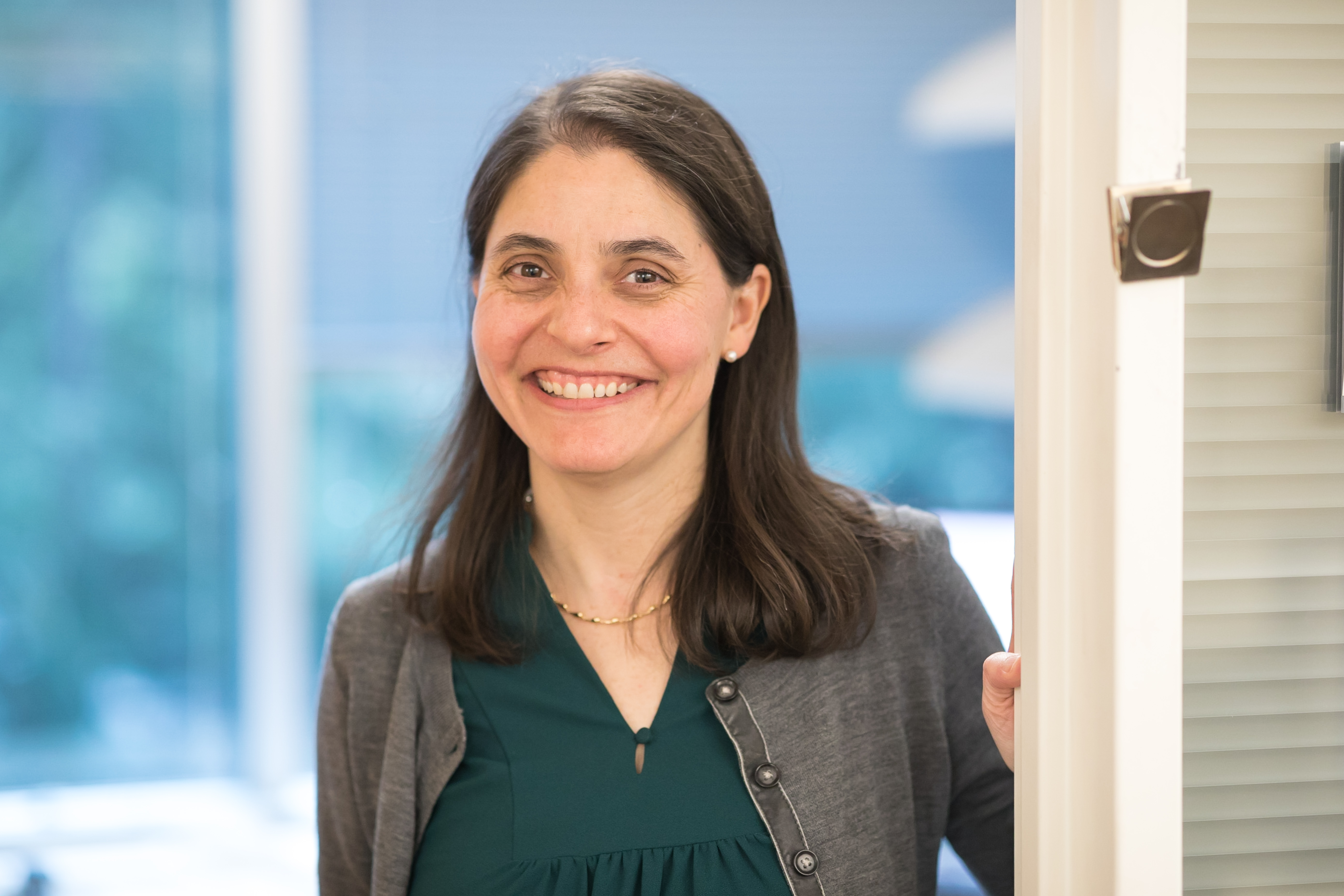
Mary-Elizabeth Percival, MD, Assistant Professor at the University of Washington; Assistant Member at the Fred Hutchinson Cancer Research Center; Attending Physician at Seattle Cancer Care Alliance; and lead author of the article, spoke with Oncology Learning Network about these recommendations and the impact COVID-19 has had on the treatment of this patient population.
How has your hospital/center responded to the pandemic thus far from an organizational perspective?
In January, Washington state had the first documented case of COVID-19 in the United States. Ultimately, the patient not only had the virus, but the severe acute respiratory syndrome infection associated with it.
That was back when the virus was considered primarily to not be an issue outside of Asia. That patient was a traveler from Asia who was seen, I believe, in Snohomish. We had a little bit of a sneak peek there, trying to figure out how this might affect our patients and our cancer patient population in particular.
Additionally, there was the large nursing home outbreak discovered in late February that really brought everything to a head in terms of realizing that the virus was reaching pandemic proportions and was really going to be a problem.
Seattle Cancer Care Alliance and the University of Washington Medical Center have been very coordinated, both from the outpatient side and the inpatient side in terms of really trying to figure out how best to keep our patients, faculty, and staff safe in this time.
From a clinical operations standpoint, we have really tried to streamline things at the cancer center, doing things like having only a single entry point into the cancer center so that patients, staff, and caregivers can all get screened. We've set up a COVID nurse hotline to arrange telehealth visits. If patients have any symptoms, they are encouraged to call that line. If they don't have symptoms or didn't recognize that their symptoms were concerning for the virus, then they would be caught, hopefully, at that entry point into our cancer center.
We have also set up drive-through COVID-19 testing and really limited the number of people that can accompany patients to visits, both on the inpatient and outpatient side.
Patients with a history of cancer do seem, in some of the reports from China, like one that was published in Lancet Oncology with only 18 patients, to have much worse outcomes, with higher rates of hospitalization, intensive care unit stay, and death than other patients who have the virus (Lancet Oncol. 2020;21[3]:335-337).
Recognizing that our patients are at an increased risk and trying to minimize that is important. Additionally, preparing for the worst by involving palliative care when necessary, making sure that patients really understand what the implications of decisions like getting intubated might mean for them. Other important considerations are the likelihood of getting extubated and how intubation might impact quality of life.
Our article discusses some of the very specific modifications that we've done for patients and the data behind some of those decisions. I think the general care principles are probably worth talking about, too. Some of the main suggestions for modification have included trying to pursue oral and outpatient options whenever possible for patients. Also, trying to choose regimens that reduce the risk of cytopenias because patients who have low counts for longer periods of time may be more susceptible to having infectious complications, whether that's from COVID-19 or other circulating viruses.
For some patients, we've also tried to defer therapy when possible, recognizing that for a lot of our patients with hematologic malignancies, we're treating them with curative intent. At some point, deferral of curative therapy may not be in that patient's best interest. Figuring out that balance has been really important.
Can you discuss the considerations you and your colleagues released for management of patients with hematologic malignancies at this time?
When we're thinking about some of the curative treatments that we offer patients, and knowing that they can really decrease blood counts and make patients more susceptible to infection, weighing those risks and benefits was something that a lot of our physicians, including myself, were considering in light of the pandemic.
Most patients that I see have acute myeloid leukemia or high-grade myelodysplastic syndrome, which we treat generally in a similar way to acute myeloid leukemia. Oftentimes, the treatment of acute myeloid leukemia is considered an emergency. If you actually look at some of the literature, there are a few retrospective analyses that suggest that delaying treatment doesn't lead to worse outcomes in most patients (Bertoli S, Bérard E, Huguet F, et al: Time from diagnosis to intensive chemotherapy initiation does not adversely impact the outcome of patients with acute myeloid leukemia. Blood 121:2618-2626, 2013). Review of the literature provides justification to say that the initiation of chemotherapy can likely be delayed to await testing for the COVID-19 virus or potentially to support somebody through a COVID-19 infection.
Additionally, at our center, we have done a few studies looking at outpatient chemotherapy for patients, particularly induction chemotherapy, and have shown that that is feasible. We've also looked at early hospital discharge, so suggesting that patients don't need to spend as much time in the hospital when their blood counts are low and can safely get outpatient therapy (Mabrey FL, Gardner KM, Shannon Dorcy K, et al: Outpatient intensive induction chemotherapy for acute myeloid leukemia and high-risk myelodysplastic syndrome. Blood Adv 4:611-616, 2020). We have also considered hospital resource utilization and whether there would be beds available during the pandemic.
When Ajay Gopal, MD, FACP (one of the senior lymphoma attending physicians at our center), Andrew Cowan, MD (senior author on this paper), and I were thinking about these things, we realized that we each had a slightly different perspective on what we were doing to modify care in our disease specialties. We wanted to get together and think about how, for example, some of the evidence behind the decisions we were making for patients with AML might be different among other disease groups and what other expert guidelines would be for modifying treatment for other patients.
For example, one thing that Dr Cowan brought up was that a drug that's commonly used for patients with relapsed multiple myeloma is daratumumab, which is an anti-CD38 antibody. Studies using that drug, which is very effective at treating multiple myeloma, have pretty consistently shown a higher rate of viral upper respiratory tract infections. As a consequence, the myeloma group, for a lot of patients, has been holding daratumumab if patients have stable disease and low tumor burden because they want to try to mitigate that increased risk of viral upper respiratory tract infections.
In our article, we wanted to disseminate these considerations and make sure that other people were thinking about some of the implications of treatment that might be different in this time of the pandemic.
What common themes have you seen in regard to treatment alterations across all hematologic malignancies?
We talked already about the focus on trying to use oral and outpatient regimens when possible, and then trying to avoid or omit therapies that are associated with a higher risk of viral infections. I think the caveat with both of those is that when patients are being treated with curative intent, sometimes biting the bullet and accepting that increased risk is worth it. This decision has to be made on a patient-by-patient basis.
We have also tried to decrease the number of visits to the cancer center. There's been a switch to a lot of telemedicine visits via Zoom. I think that decrease in in-person visits allows us to evaluate some of the issues and really screen whether patients need to be seen frequently or not. It's important to say that telemedicine works best in the context of still having other ancillary data. For example, patients still go to the lab to get their blood drawn, but then go back home to have their telemedicine visit later that day or the next day with the goal of making sure that they try to avoid interaction with as many people as possible since the person-to-person spread of COVID-19 seems to be so significant.
Overall, there's been a decrease in the number of transplants, both autologous and allogeneic, for a lot of the same reasons: decreasing the interactions between patients, caregivers, and staff; decreasing resource utilization; and protecting patients, because they get so highly immunosuppressed with some of these therapies. We don't want to set them up for failure.
Adapting to that decreased availibility of transplants has taken different forms with some of the different types of cancers. For example, in multiple myeloma, a lot of patients get a transplant early on after they achieve their initial remission. That autologous transplant is not curative, but it will decrease the likelihood of disease progression. The adaptation that the myeloma and transplant groups have worked on together is to plan to collect the patient's cells by leukapheresis, but not doing the actual transplant, so they are planning to store the cells in the freezer until it's safe to pursue transplant in those patients.
What effect has the pandemic had on clinical trials?
That's a big question. Patients who are on clinical trials are still continuing on clinical trial therapy. That part hasn't changed. The different research groups have modified in this ever-changing time and they continue to modify how the coordinators are available.
For example, in the University of Washington Hematology Division, our research coordinators are available on an on-call basis. They're all working from home, but they have a rotating call system. A coordinator is always available to come into clinic on any given day to see a patient, administer a questionnaire, or pick up a research sample to take to a lab or send off to a pharmaceutical company.
What I think has been more challenging is that a lot of trials, both from a company perspective and also our institutional perspective, have slowed or stopped enrollment for the time being. We are working right now to gradually reopen clinical trials. A number of the transplant clinical trials that had been put on a temporary enrollment hold for the past 4 or 6 weeks have started opening up for enrollment again. As the whole state of Washington and the country are figuring out what reopening looks like and what that means, we are similarly addressing that on a smaller basis with our clinical trials.
How do you think the pandemic and rapid switch to telemedicine is going to change the practice of medicine in the future?
Can I say “I don't know?” I think it's a really good question. I do think that people are trying to think about which changes that we've been forced to make in the past 2 months are going to stick,. I think that telemedicine is one of the ones that has a higher likelihood of sticking.
For example, at our center here in Seattle, a lot of people are familiar with the WWAMI states, which are Washington, Wyoming, Alaska, Montana, and Idaho—we have cooperative agreements with those states.
We're the largest and pretty much only academic medical center in that 5-state region, so we have a really large referral base of patients that come from really far away. I think that in the future, it may not be necessary to have in-person visits as frequently as we have in the past for these patients who are traveling a large distance.
Obviously, there are exceptions. If somebody has something that is a new or different symptom that needs to be worked up in person, clearly, there are a lot of limitations in terms of the physical exam. I know a lot of people are worried and have been worried for years about the decline of the physical exam. It is hard to do things like deliver bad news, because the counseling that can happen over the phone or computer is different. There are also a lot of technological challenges, especially for our older patients. I do think that the switch to telemedicine is going to change medicine, but I don't know exactly how it will be adopted outside the pandemic.




