18th Biennial International Andreas Gruentzig Society Meeting
These proceedings summarize the educational activity of the 18th Biennial Meeting of the International Andreas Gruentzig Society held January 27 to 30, 2026, in Puerto Ayora, Santa Cruz, Ecuador.
Faculty Disclosures Sponsors
2026 IAGS Summary Document
Program Agenda
Session 1: Coronary 1 - Elective PCI
1.1 DCB's for De Novo Coronary Lesions: Which Lesions and Is the Provisional Approach to PCI Back?
1.2 ISR: Are DCBs Now the Answer?
Session 2: Structural 1 - Aortic Valve
2.1 EARLY TAVR: Sure. Moderate AS: Not So Sure?
2.2 TAVR for Aortic Insufficiency: ALIGNed for the Future but Are We Ready for ARTIST?
Session 3: Endovascular 1
3.2 Most Effective Interventions for CLI: A Critical Appraisal
3.3 Carotid Stenting Following CREST-2: How to Democratize and do Micromesh Stents and TCAR Have a Role?
Session 4: Coronary 2 - STEMI
4.1 COMPLETE, MULTISTARS, BIOVASC and OPTION: Enough Evidence to Standardize STEMI PCI Worldwide?
Session 5: Structural Session 2 - Mitral and Tricuspid Valve
5.1 TMVR vs. TMVr: Is TMVR There Yet? When to do TMVr Instead and With What
Session 6: Structural 3 - Atrial & Ventricular
6.1 LAA Occlusion: The Best OPTION and how to CHAMPION the Procedural Volume
6.2 Interventional Strategies for HFrEF: Shunt the Atrium or Squeeze the Muscle(s)?
6.3 Strategies for HFpEF: Mavacamten, SESAME, PIMSRA, or More Shunts?
Session 7: Hemodynamics
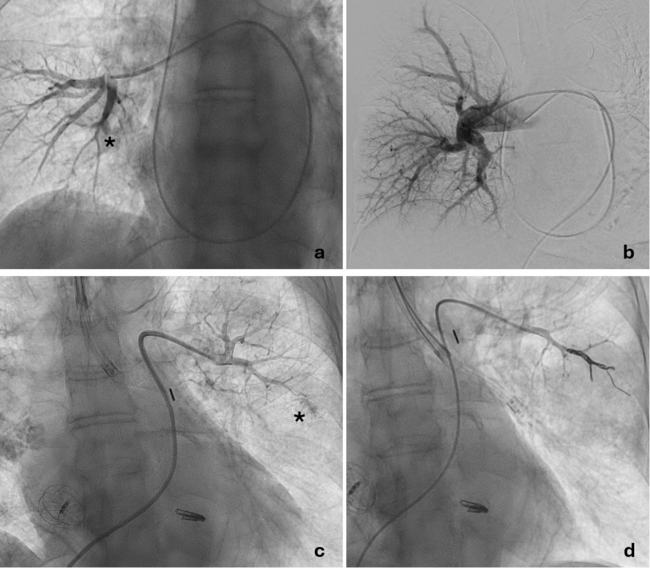
7.3 Chronic Pulmonary Hypertension: Is POBA Enough for CTEPH? Embolectomy? And What About Denervation?
Session 8: Endovascular 2
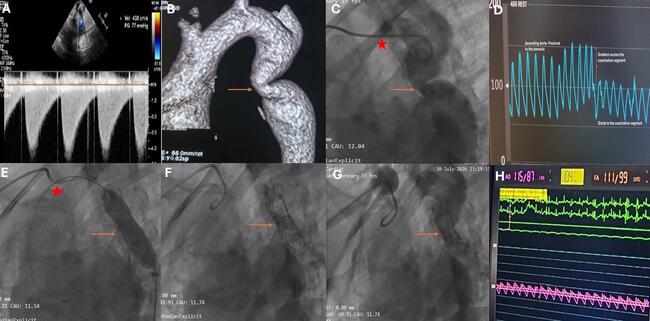
8.1 Managing Complex Aortic and Iliac Occlusive Disease
8.2 Bioresorbable Scaffolds for Vascular Interventions: Is it Time to Move Up or Stay BTK?
8.3 Peripheral Atherectomy: Under or Over Utilized? Where is the Data Showing Benefit?
Session 9: Emerging Therapies
9.1 Renal Denervation: Comparison of Therapeutic Approaches, Efficacy, Adoption and Reimbursement
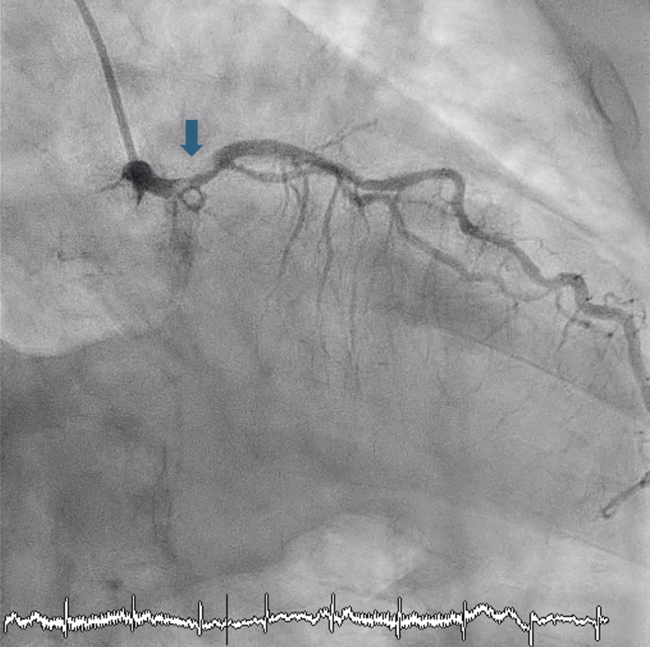
9.3 Uncaging Coronary Artery Aneurysms: Have we Made Progress and Which Ones to Treat?
Session 10: Interventional Laboratory
10.1 Diagnosing ANOCA/INOCA and Treating MINOCA in the Interventional Laboratory
10.2 Left Main PCI: New Life Following a NOBLE Effort?
10.3 Radiation Safety in the Interventional Laboratory
Session 11: Health Care Delivery
11.3 Joint Position Statement of the ACC, IAGS and SCAI: The American Board of Cardiovascular Medicine